2026 Best Traffic Signal Suppliers for Global Buyers
Selecting the right Traffic Signal supplier is a practical decision, not a simple price comparison. Global buyers must examine product quality, local compatibility, delivery reliability, and long-term support. A signal head may look excellent in a catalog. Its real performance appears under heavy rain, dust, heat, vibration, and repeated daily switching.
Dr. Brian Bochner, a recognized traffic signal systems expert, once observed, “A signal system must serve people, not merely move vehicles.” That principle remains important for the 2026 market. Leading suppliers should provide durable LED modules, reliable controllers, clear installation manuals, and tested communication interfaces. They should also demonstrate experience with different road layouts, voltage standards, cabinet designs, and maintenance practices. Certification matters, but paperwork alone cannot prove field performance. Buyer references matter more.
This guide reviews manufacturers and technology providers through a global procurement lens. It considers optical visibility, energy efficiency, controller integration, weather resistance, spare-parts access, technical training, and responsive after-sales service. Cybersecurity and software updates also deserve attention, especially for connected intersections. Some suppliers offer impressive dashboards but limited local support. That weakness can become expensive.
No ranking is perfect. Supplier performance may change by region, project size, and contract conditions. Buyers should still request samples, test documentation, warranty terms, and realistic delivery schedules. A low-cost Traffic Signal can create higher lifecycle expenses when repairs, downtime, or incompatible components appear later. Careful comparison reduces that risk and supports safer, more dependable urban mobility.
Traffic Signal Suppliers: Industry Scope and Product Categories
Traffic Signal Suppliers: Industry Scope and Product Categories
Traffic signal suppliers now serve more than road intersections. Their scope includes urban mobility, highway control, pedestrian safety, transit priority, and connected infrastructure. The United Nations projects that 68% of the world’s population will live in urban areas by 2050. This shift increases demand for durable and intelligent signal equipment.
The product range starts with LED signal heads, countdown displays, pedestrian signals, poles, brackets, and visibility accessories. It also includes traffic controllers, roadside cabinets, conflict monitors, detection cameras, radar sensors, and communication units. Adaptive control software is becoming more important. The FHWA Traffic Signal Timing Manual identifies detection, coordination, and timing plans as core elements of effective signal operations. A supplier should provide clear testing records, spare-part support, and documented compatibility.
Reliability matters most.
The WHO Global Status Report on Road Safety 2023 estimates 1.19 million annual road traffic deaths worldwide. Signal equipment must therefore perform in rain, heat, dust, voltage changes, and frequent maintenance cycles. Buyers should review ingress protection, operating temperature, optical performance, and compliance with local standards. Global certifications help, but they do not replace field validation. A cabinet may pass laboratory testing and still fail beside a busy intersection. I would also question overly broad catalogs. More products do not always mean better engineering. Suppliers with installation experience, traceable quality procedures, and responsive technical support usually offer stronger long-term value.
2026 Traffic Signal Suppliers: Industry Scope and Product Categories
Typical signal indication counts by major traffic signal product category. These configurations reflect common global specifications, while exact requirements vary by country, road authority, and project design.
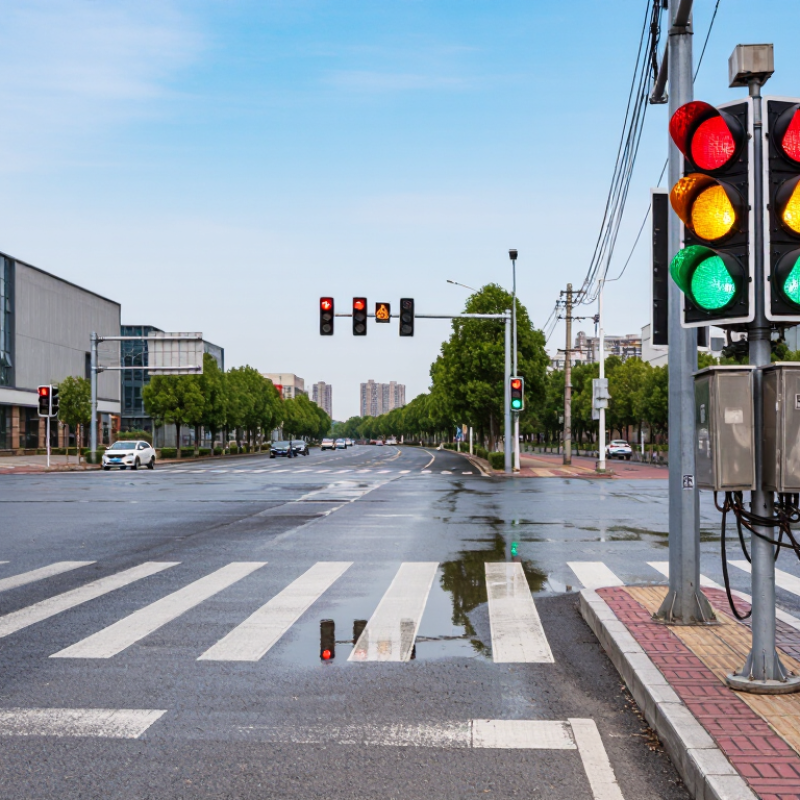
Product scope includes vehicle signal heads, arrow signal heads, pedestrian signal heads, bicycle signal heads, and flashing beacons. Vehicle and arrow signals commonly use red, yellow, and green indications; pedestrian signals typically use walk and don't-walk indications.
Top Supplier Regions and Manufacturing Capabilities in 2026
Supplier geography matters in 2026.
East Asia remains strong in high-volume LED modules, aluminum housings, controller cabinets, and cable assemblies. China and Southeast Asia offer broad manufacturing capacity, competitive tooling, and short production cycles. India is expanding in signal poles, traffic controllers, and public infrastructure projects. Europe emphasizes compliance, adaptive control, and low-energy equipment. North American suppliers often focus on NEMA-compatible cabinets, local installation standards, and advanced detection systems.
MarketsandMarkets reported that the intelligent traffic management market could grow from about USD 11.2 billion in 2023 to USD 18.7 billion by 2028.
This growth is shifting supplier capability toward radar, video detection, connected controllers, and cloud-based monitoring. Buyers should verify more than production volume. Ask for ISO 9001 records, photometric test results, surge protection data, IP ratings, and controller interoperability evidence. Factory audit reports are useful. They are not perfect.
Regional standards can complicate procurement.
European projects may require EN-based testing, while North American deployments often require NEMA or ATC compatibility. Suppliers serving multiple regions should show traceable component records and documented firmware controls. The 2024 World Bank Logistics Performance Index also highlights uneven logistics reliability across markets. That matters when one failed controller delays a complete intersection. A low quotation can hide weak after-sales support, limited spare parts, or inconsistent LED batches.
Factory capability must be judged through samples, inspection records, and realistic delivery tests—not polished catalog photographs.
Supplier Evaluation: Quality, Certification, and Customization
Choosing a traffic signal supplier requires more than comparing unit prices. Quality appears in small details: uniform LED brightness, sealed cable glands, corrosion-resistant housings, and stable operation after repeated temperature changes. Request sample units and inspect them under daylight, rain, and night conditions. A signal that looks excellent indoors may perform poorly beside a busy road.
Certification deserves careful verification. Ask for current test reports, factory quality records, and certificates matching the destination market. ISO 9001 supports process control, but it does not prove every signal meets local safety requirements. Check relevant electrical, photometric, environmental, and electromagnetic standards. Documents should show model numbers, test dates, laboratories, and responsible personnel. Vague paperwork is a warning.
Customization should solve an operating problem, not create unnecessary complexity. Reliable suppliers can adjust lens colors, mounting brackets, voltage ranges, communication interfaces, and cabinet layouts. They should also explain lead times, spare parts, software ownership, and maintenance procedures.
Insist on a pilot order before large deployment. It exposes weak seals, confusing wiring, or unstable firmware early.
No supplier gets every detail right. That matters. My own evaluation can also miss issues when testing happens in controlled conditions. Independent inspection and clear acceptance criteria reduce that risk. Choose a partner that answers difficult questions directly and records corrective actions.