How to Choose the Best Traffic Signal for Your Needs?
Selecting the right traffic signal is crucial for effective road management. With numerous options available, understanding your specific needs is essential. Traffic signals are vital for ensuring safety and smooth traffic flow.
Consider factors such as location, traffic volume, and pedestrian activity. A poorly chosen traffic signal can lead to confusion or accidents. This reflects the necessity of thorough research and understanding of different types of signals. Visual signals, for instance, may serve different environments than audio signals.
Your experience with traffic management can influence your decision. Consult local guidelines or experts in the field. Always keep in mind that the goal is to enhance safety and efficiency on the road. Making informed choices can mitigate risks.
Understanding Different Types of Traffic Signals and Their Functions
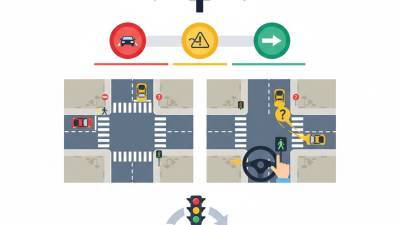
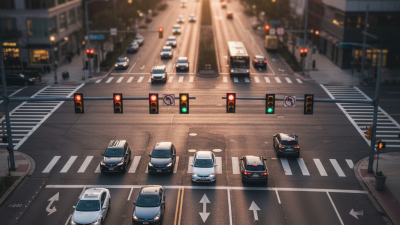
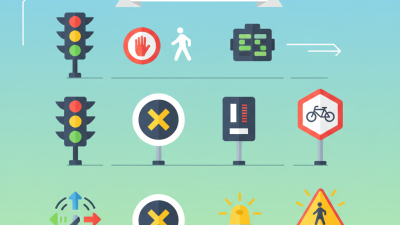
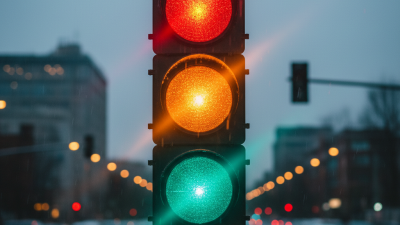
When selecting a traffic signal, understanding the various types available is crucial. Signal lights typically fall into three main categories: standard traffic lights, pedestrian signals, and specific road signals. Standard traffic lights control vehicle flow at intersections, displaying red, yellow, and green lights. They regulate traffic effectively but can sometimes lead to confusion, especially for drivers unfamiliar with the area.
Pedestrian signals enhance the safety of those on foot. They indicate when it’s safe to cross or when to wait. However, the timing of these signals might not align with pedestrian flow, leading to frustration. Some signals incorporate countdown timers, which can alleviate uncertainty. Yet, not all pedestrians may understand these enhancements, presenting an opportunity for improvement in public awareness.
Specific road signals serve unique functions, like lane control or warning of hazards. These can be extremely useful in dense traffic areas but may overwhelm drivers if overused. The challenge lies in finding the right balance to ensure clear communication without cluttering the roadway. In an ideal world, all signals would be universally understood, minimizing misinterpretation.
How to Choose the Best Traffic Signal for Your Needs? - Understanding Different Types of Traffic Signals and Their Functions
| Type of Traffic Signal |
Primary Function |
Advantages |
Best Used In |
| Standard Traffic Signal |
Control vehicle and pedestrian traffic at intersections |
Widely recognized, effective in reducing accidents |
Urban intersections, busy roads |
| Pedestrian Signal |
Assist pedestrian crossing at busy intersections |
Enhances safety for pedestrians, clear visibility |
High foot traffic areas |
| Flashing Traffic Signal |
Alert drivers to potential hazards or caution |
Immediate attention, simple to understand |
Construction zones, low visibility areas |
| Traffic Light with Countdown Timer |
Provides remaining time for signal changes |
Reduces anxiety for drivers, encourages compliance |
High congestion areas, major intersections |
| Smart Traffic Signal |
Adapts to real-time traffic conditions |
Improves traffic flow, reduces delays |
Urban centers, intelligent transportation systems |
Factors to Consider When Choosing a Traffic Signal for Specific Needs
Choosing the right traffic signal requires careful consideration of various factors to meet specific needs effectively. One crucial element is the location. Urban areas may need signals that are more complex, incorporating pedestrian features. In contrast, rural areas could benefit from simpler, less expensive options. The flow of traffic also plays a vital role. Analyze traffic patterns to determine the type of signal best suited for that location.
Tips: Always consider the visibility of the signal. Effective lighting and clear signage can greatly enhance safety. It’s important to assess environmental conditions, such as fog or rain, that may impact visibility. Another factor is the integration of technology. Smart signals can adapt to real-time traffic situations, improving efficiency.
Finally, look into maintenance needs. Some signals require regular upkeep, while others can be more cost-effective in the long run. Understanding these aspects can prevent overspending on unnecessary features. Reflection on the long-term advantages of each choice will lead to a better decision for traffic management.
Traffic Signal Features Comparison
Assessing Traffic Volume and Patterns for Signal Selection
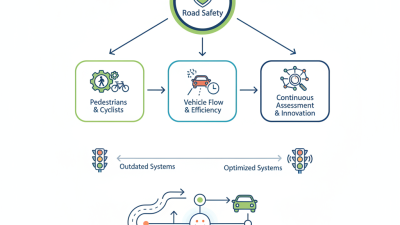
When selecting a traffic signal, assessing traffic volume and patterns is crucial. High traffic areas often require signals that can manage significant vehicle flow. Understanding peak hours helps in determining the optimal timing settings for the signal. Many signals offer adjustable timing plans. Being able to adapt to changing traffic patterns is essential for effective signal management.
Patterns also reveal pedestrian activity. At intersections near schools or parks, pedestrian signals might need prioritization. A higher volume of foot traffic suggests the need for longer crossing times. It can be useful to conduct regular reviews of traffic data. Over time, patterns may shift, necessitating updates to signal settings. Ignoring these changes may lead to unsafe conditions.
Local geography can influence traffic behavior. For instance, hills might slow down vehicles, while straight roads can speed them up. Traffic signals should be designed to accommodate local behaviors. It's not a one-size-fits-all situation. Each intersection is unique and may require customized solutions. Regular assessments promote safety and efficiency.
Evaluating Budget and Installation Requirements for Traffic Signals
When selecting a traffic signal, budget and installation requirements are crucial factors. Traffic signals range significantly in price. Small systems may start at $5,000, while complex setups can exceed $100,000. According to the Federal Highway Administration, approximately 60% of total costs come from installation. This includes labor and site preparation.
Understanding installation requirements is essential. Depending on the complexity, proper site assessments need to occur. The American Traffic Safety Services Association indicates that poor site evaluation can lead to increased costs and delays. Additionally, local regulations often dictate specific requirements. Compliance with these regulations can sometimes result in additional expenses.
Installation challenges can arise. Existing infrastructure may limit options. Factors like underground utilities or road layouts should be noted in advance. It's common for projects to exceed budgets due to unforeseen site conditions. Clear communication with contractors is vital. This ensures all parties understand potential hurdles. Regular updates can prevent misunderstandings and keep the project on track.
Ensuring Compliance with Local Traffic Regulations and Standards
Choosing the right traffic signal involves understanding local regulations. Each jurisdiction has specific standards. Knowing these can help avoid costly errors. Compliance is essential for safety and efficiency.
Tips: Always check local guidelines before installation. Consult with traffic authorities. They can provide insights on necessary specifications.
Consider the environment where signals will be installed. Urban areas may require different signals compared to rural locations. Think about pedestrian needs. Signals should cater to all road users.
Tips: Assess visibility and accessibility. Signals must be easily seen and reachable. Don’t overlook technical aspects. Power source and maintenance must be considered.