2026 Top Traffic Signal Innovations and Trends to Watch for the Future?
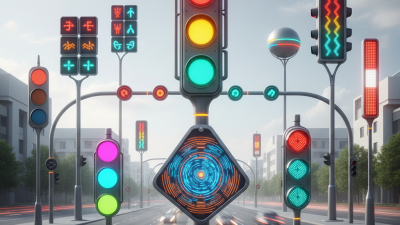
As we look towards the future, the evolution of Traffic Signal technology remains crucial. Experts anticipate significant changes that will shape urban mobility. Dr. Jane Thompson, a leading voice in traffic management, stated, “Innovations in traffic signals will redefine our cities.” This insight emphasizes the pressing need to adapt to emerging trends.
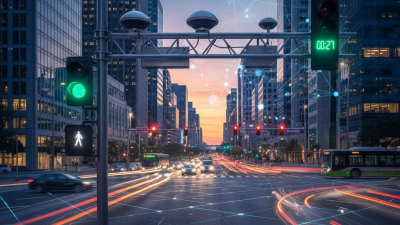
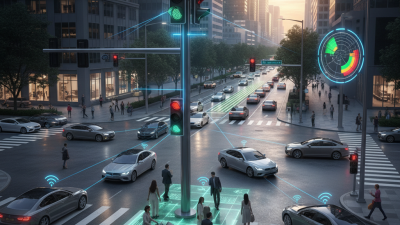
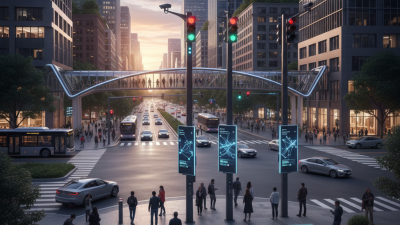
The integration of smart technologies is transforming Traffic Signals into responsive systems. Connectivity enhances real-time data sharing, improving traffic flow. These advancements can reduce congestion and promote safer environments for pedestrians. Yet, challenges remain in implementing these systems effectively across diverse urban landscapes.
Looking ahead, the role of sustainable practices in Traffic Signal development is undeniable. Innovations must address environmental impacts while enhancing efficiency. However, it is essential to reflect on the disparities in infrastructure readiness among cities. Balancing technology with practical applications will be key to ensuring that future Traffic Signals meet the needs of all communities.
Future of Traffic Signal Technology in Urban Management
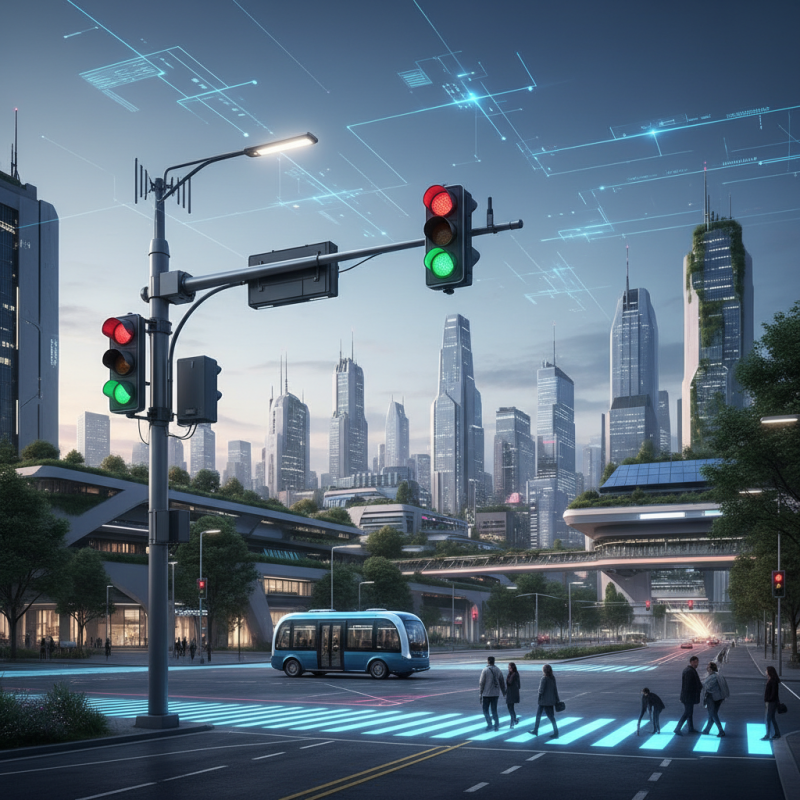
The future of traffic signal technology is pivotal in urban management. Cities are rapidly changing. Traditional signals may not cope with rising traffic demands. Innovative solutions are essential. Smart signals interact with vehicles, reducing congestion. They adapt in real time, responding to traffic conditions dynamically.
Signals equipped with sensors gather data on traffic flow. This data can help city planners make informed decisions. Yet, the integration of this technology is not without challenges. Aging infrastructure may struggle with new upgrades. The balance between innovation and practicality is crucial. Cities must also consider cybersecurity risks associated with connected systems.
Public acceptance is another area needing attention. Residents might resist changes they don't understand. Transparency in the technology's benefits can help. Continuous education about these innovations is vital. Traffic signal technology must address real needs. As it evolves, urban areas will require thoughtful implementation rather than just rapid advancements.
Advancements in Smart Traffic Signal Systems
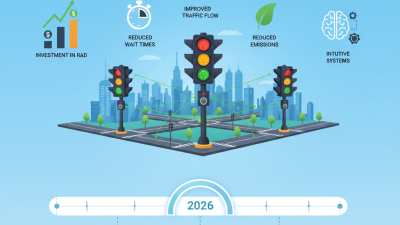
Smart traffic signal systems are reshaping urban transportation. They use real-time data to optimize traffic flow. Sensors track vehicle movements, reducing congestion and wait times. This efficiency benefits not only drivers but also pedestrians and cyclists. Advanced algorithms adapt signals based on real-time conditions. Such innovations mitigate stress on busy intersections.
One core advancement involves integrating artificial intelligence. AI systems analyze traffic patterns, learning from daily fluctuations. These systems can predict peak times and adjust signals accordingly. The result? Smoother traffic and fewer accidents. Data transparency enhances trust in these technologies. Cities can share traffic data with citizens, promoting a collaborative environment.
Tips: Ensure you stay informed about local traffic patterns. Use apps that provide real-time updates. Advocate for smart systems in your community. Engaging with local planners can facilitate better infrastructure. Encourage discussions about transparency; it can lead to more significant improvements.
Integration of AI and Machine Learning in Traffic Signals
The integration of AI and machine learning in traffic signals is reshaping urban mobility. These technologies enable real-time data processing, enhancing traffic flow. They analyze patterns and adjust signal timings accordingly. This reduces congestion and improves safety. The predictive capabilities of AI can forecast traffic incidents before they happen.
Tips: Consider how your local area could benefit from AI-enhanced traffic signals. Think about what data is currently collected. Could it be more comprehensive?
Cities adopting this technology face challenges. Implementation requires significant investment and time. Not all communities have the resources or expertise. Training personnel to manage these systems is equally important. Over-reliance on technology can lead to unanticipated issues.
Tips: Engage with local authorities about the potential of AI in your area. Advocate for pilot programs that could showcase its benefits. Monitoring these experiments will provide valuable insights.
Sustainable Solutions: Eco-Friendly Traffic Signal Innovations
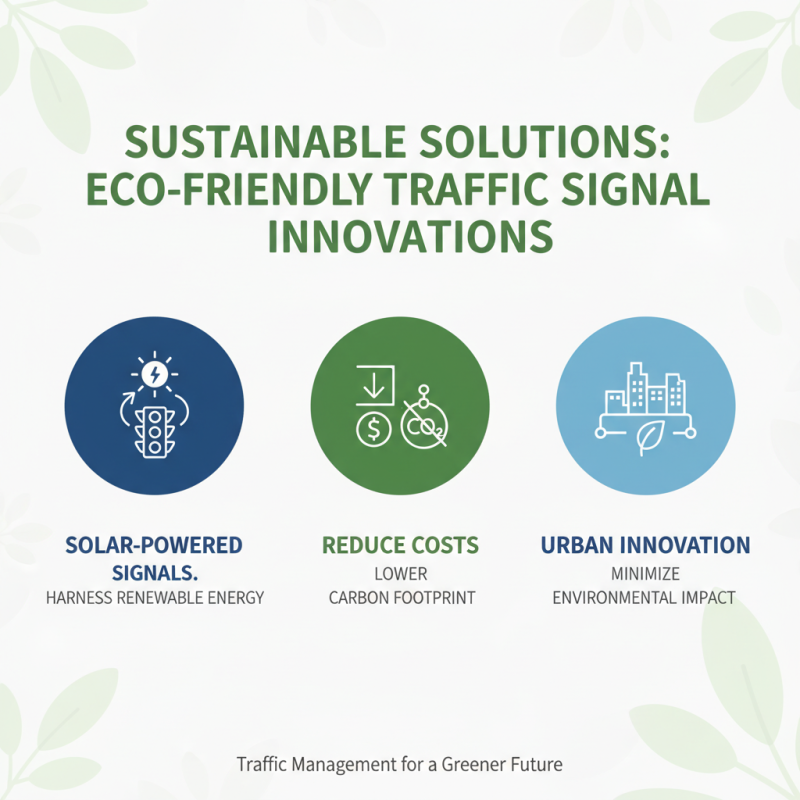
As traffic management evolves, eco-friendly solutions have become essential. Cities are seeking innovative traffic signal technologies that minimize environmental impact. Solar-powered signals are gaining popularity, harnessing renewable energy. They reduce electricity costs and lower carbon footprints.
Another emerging trend is the integration of smart sensors. These devices adapt signal timings based on real-time traffic flow. This innovation not only improves efficiency but also decreases idle times. Fewer emissions result from shorter wait periods. Yet, the deployment of such systems requires investment and careful planning.
Many cities are exploring adaptive signals. They respond to changing conditions, like pedestrian crossings and emergencies. While promising, these systems pose challenges. Reliability depends on consistent data input and maintenance. Decision-makers must consider both benefits and drawbacks as they move towards sustainable traffic solutions.
Impact of Connected Vehicles on Traffic Signal Design
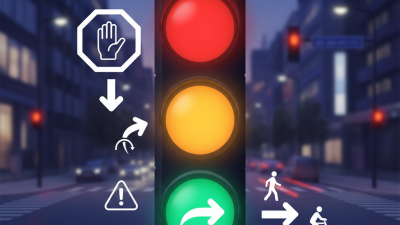
The rise of connected vehicles is revolutionizing traffic signal design. These vehicles communicate with traffic signals, allowing for real-time updates. This interaction aims to reduce congestion and optimize traffic flow. When vehicles share data about their speed and direction, signals can adjust dynamically. Imagine a world where your vehicle knows when to slow down as the light changes.
However, challenges persist. Not every vehicle is connected. This creates disparities in traffic flow management. Cities need to consider how to integrate both connected and traditional vehicles. Moreover, installing smart traffic signals is costly. Funding and infrastructure upgrades can be significant barriers. Communities must weigh these factors carefully to implement effective solutions.
Additionally, privacy concerns emerge with data sharing. Residents may worry about surveillance. Transparency will be crucial to build trust among the public. As cities explore these innovations, stakeholder engagement is vital. Input from residents can help shape effective policies. Balancing technology with community needs will be essential for successful traffic signal evolution.