Why is Road Safety Important for Everyone?
Road safety is a crucial concern for all. Every day, lives are impacted by road accidents. According to the World Health Organization (WHO), approximately 1.35 million people die annually from road traffic crashes. This alarming statistic highlights the urgent need for improved road safety measures.
Expert in road safety, Dr. Sarah Johnson, emphasizes, "Every accident is preventable with the right measures and awareness." This statement reflects the collective responsibility we all share to prioritize road safety. Distracted driving, speeding, and lack of seatbelt use often lead to tragic outcomes.
Enhancing road safety should involve everyone. Cyclists, pedestrians, and drivers must all contribute. Local communities can initiate programs to promote safer behaviors. Investing in safer infrastructure also plays a vital role. We must reflect on current challenges, aiming for a future where road safety is paramount.
The Importance of Road Safety for Individuals and Communities
Road safety plays a critical role in our lives, both as individuals and as communities. According to the World Health Organization, around 1.35 million people die annually from road traffic accidents. This staggering figure highlights the urgent need for effective road safety measures. Each fatality represents a family shattered, a community affected, and a loss that extends beyond mere statistics.
In addition to loss of life, road incidents lead to significant economic costs. The National Highway Traffic Safety Administration (NHTSA) estimates that crashes cost the U.S. economy over $800 billion each year. This encompasses medical expenses, lost productivity, and property damage. Communities bear this burden, often struggling with the ripple effects of accidents on their infrastructure and healthcare systems.
Moreover, road safety is not just about statistics; it’s about people. Children, the elderly, and cyclists are particularly vulnerable. Data from the European Commission shows a 12% rise in pedestrian fatalities in urban areas in recent years. Such trends reveal a pressing need for awareness and education. Communities must engage in conversations about safe practices, making roads safer for everyone, not just those behind the wheel.
Economic Impact of Road Traffic Accidents on Society
Road traffic accidents have a significant economic impact on society. Each year, billions are lost due to medical expenses, property damage, and lost productivity. These accidents do not just affect victims; they burden families and communities. The financial strain becomes overwhelming, especially in low-income areas. Communities suffer when local resources are diverted to deal with the aftermath of crashes.
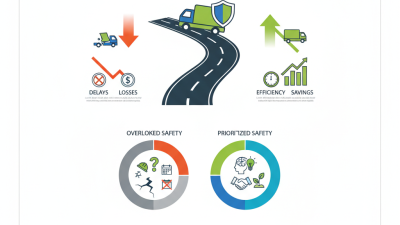
It is crucial to understand how road safety can save money long-term. Improved infrastructure, such as better road design and signage, can drastically reduce accidents. Yet, investment in safety measures is often insufficient. Local governments may not prioritize funds for safety improvements until it’s too late. Each accident avoided translates into direct savings and a healthier economy.
Tips for safer roads include understanding your surroundings. Stay aware of pedestrians and cyclists. Always maintain a safe distance from other vehicles. Educating yourself and others can foster a culture of safety. Simple actions, like wearing seatbelts, can save lives. Remember, safety starts with personal responsibility. Skipping basic precautions can have dire consequences, affecting not just you but many others.
Common Causes of Road Accidents and Their Prevention
Road safety is a critical concern for everyone. According to the World Health Organization, road traffic injuries claim approximately 1.35 million lives each year. A significant factor in these tragedies is distracted driving, which contributes to nearly 30% of all crashes. Awareness and prevention can make a substantial difference.
Tips for preventing road accidents include staying focused and avoiding distractions. Put your phone away while driving. Simple acts like checking mirrors before changing lanes can prevent collisions.
Driving under the influence is another major cause of accidents. Statistics show that alcohol impairs judgment and slows reaction times. A well-known report states that approximately 29% of all traffic fatalities involve alcohol. Awareness campaigns and sobriety checkpoints are vital for reducing these incidents.
Always remember: your safety is a shared responsibility. Educating others about safe driving habits can foster a culture of road safety. Everyone benefits when we all commit to being cautious and responsible on the road.
Safety Measures and Technologies to Enhance Road Safety
Road safety is crucial for everyone. Implementing effective safety measures can reduce accidents significantly. One essential measure is the use of seat belts. These simple devices save thousands of lives each year. Properly worn seat belts can prevent severe injuries during sudden stops or collisions.
Technology also plays a vital role in enhancing road safety. Advanced Driver Assistance Systems (ADAS) can alert drivers to potential hazards. Features like lane departure warnings and automatic braking help prevent accidents. Yet, reliance on technology can create complacency. Drivers must remain vigilant even when systems assist them.
While many are aware of the basics, deeper understanding is necessary. Regular driver education can promote better habits on the road. Awareness campaigns can highlight the importance of pedestrian safety and caution in school zones. Each person has a part to play in making roads safer. Continuous effort is key to improvement.
The Role of Education and Awareness in Promoting Road Safety
Road safety is crucial for everyone. Education and awareness play vital roles in reducing accidents. According to the World Health Organization, 1.35 million people die from road traffic accidents each year. Many of these deaths could be prevented through effective education.
Effective road safety education can target various demographics. Programs focusing on children teach basic road rules. Young drivers can benefit from courses that highlight the dangers of speeding and distractions. For instance, a study by the National Highway Traffic Safety Administration found that drivers aged 16-24 are more likely to engage in risky behaviors. This demographic needs tailored education to foster better habits.
Awareness campaigns are equally important. The “Click It or Ticket” initiative significantly raised seatbelt use in the United States. Data shows seatbelt compliance increased to 90% since the campaign launched. However, gaps remain. Many still neglect seatbelt use, especially in rural areas. This highlights the need for ongoing education and community engagement to address these issues effectively. Road safety is everyone's responsibility; we all can contribute to a safer environment.