10 Essential Tips for Understanding Traffic Signals and Road Signs
Understanding traffic signals and road signs is crucial for road safety. According to the National Highway Traffic Safety Administration (NHTSA), proper knowledge of these elements can reduce accidents by 30%. Jay Thompson, a renowned expert in traffic engineering, stated, "Clear comprehension of Traffic Signal And Road Signs saves lives."
Most drivers overlook these essential components. They often fail to recognize changes in signals or misinterpret signage. This lack of awareness contributes to a significant percentage of road incidents. In fact, the Federal Highway Administration reports that over 50% of traffic accidents involve failure to obey traffic controls.
The significance of Traffic Signal And Road Signs cannot be underestimated. These tools guide drivers, ensuring safe navigation on roads. Investing time to learn and understand them may seem tedious but is absolutely vital. Reflecting on individual driving habits can expose weaknesses in understanding road signs and signals. Many believe they know enough, yet the statistics paint a different picture.

Understanding the Purpose of Traffic Signals and Road Signs
Traffic signals and road signs provide crucial guidance for drivers and pedestrians. They help maintain order on the roads and ensure safety. Understanding their purpose is key to becoming a responsible road user. Traffic signals regulate the flow of vehicles at intersections. A red light means stop, while green means go. However, many drivers ignore these signals, leading to accidents. It's essential to respect them, not just for your safety but for others as well.
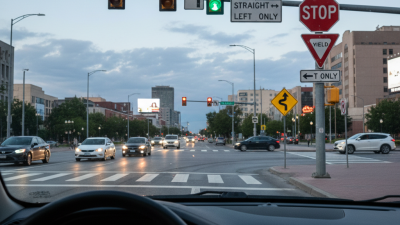
Road signs convey information about speed limits, hazards, and directions. These signs can be confusing. For instance, a yield sign may seem simple, but many drivers hesitate at it. This can create unnecessary delays. Moreover, unfamiliar signs in a new area can lead to misinterpretations. Study your surroundings and be aware of changing conditions.
Understanding these signals and signs is a continuous learning process. Misunderstandings often arise, so reflecting on them can prevent mistakes. Keeping updated on changes in traffic laws also enhances your comprehension. A driver's responsibility extends beyond knowing how to operate a vehicle; it includes understanding the visual cues that govern road safety.
Types of Traffic Signals: Red, Yellow, and Green Lights Explained
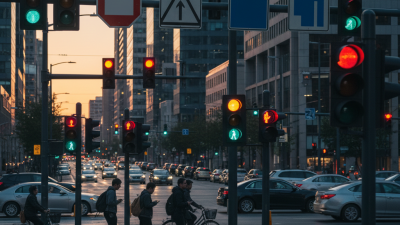
Traffic signals are essential for safe driving. Understanding how they work can save lives. Red, yellow, and green lights all convey different messages. A red light means stop. Vehicles must halt until the light turns green. This is crucial at intersections to prevent accidents.
Yellow lights indicate caution. Drivers should slow down and prepare to stop. It also warns of an upcoming red signal. Not all drivers heed yellow lights. Some race through them, risking safety. Always be vigilant and ready to respond appropriately.
Green lights mean go, but caution is still vital. Check crosswalks and ensure the path is clear. Just because the light is green doesn’t mean it’s safe. Look out for pedestrians and cyclists.
Tip: Always anticipate changes in signals. Look ahead to gauge the light's color. This can improve reaction time. Another tip is to watch for other vehicles. Some may not follow the signals, so stay alert. These practices enhance road safety for everyone.
Understanding Traffic Signals: Key Light Durations
This chart displays the average durations for traffic signal lights: red, yellow, and green. Understanding these timings is crucial for safe driving and adherence to traffic regulations.
Common Road Signs and Their Meanings for Drivers
Understanding road signs is crucial for every driver. According to the National Highway Traffic Safety Administration (NHTSA), about 60% of accidents are linked to drivers not recognizing these signs. Each sign plays a role in maintaining order and safety on our roads. For example, a stop sign means you must come to a complete halt. Failing to do so can result in serious accidents.
Common road signs such as yield, speed limit, and no entry convey essential information. The American Association of State Highway and Transportation Officials (AASHTO) states that 90% of drivers can identify standard signage. However, many struggle with interpreting newer or less common signs. This can lead to confusion and potentially hazardous situations. Drivers should actively learn about local signs and changes in traffic regulations.
Moreover, colors and shapes are not just decorative. They are designed to communicate specific messages quickly. A red sign typically indicates a prohibition, while blue often signifies information. Yet, many drivers do not fully understand these distinctions. Continuous education and reflection on road signs can enhance safety and driving experience. Staying informed not only protects drivers but also helps others on the road.
Navigating Intersections: Rules and Regulations
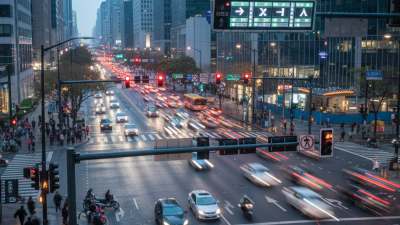
Navigating intersections can be daunting. Understanding rules and regulations is key to safe driving. At each intersection, traffic signals and signs provide essential information. Drivers must acknowledge red lights, stop signs, and yield signs. They indicate when to stop or proceed with caution. Ignoring these signals can lead to accidents.
It's also important to watch for pedestrians. Pedestrians have the right of way in many situations. Failing to give them space can result in serious consequences. In some cases, drivers may feel rushed or distracted. This can lead to overlooking critical signs. Always take a moment to assess your surroundings before proceeding.
Merging lanes and turning require extra attention. Vehicles may come from various directions. Watch for bicycles and motorcycles, which can be harder to see. Remember that every driver has a different level of experience. Drive defensively and stay alert. This approach can prevent misunderstandings on the road. Don't hesitate to revise your own driving habits based on experiences. Each journey is a learning opportunity.
Tips for Enhancing Road Safety with Traffic Signals and Signs
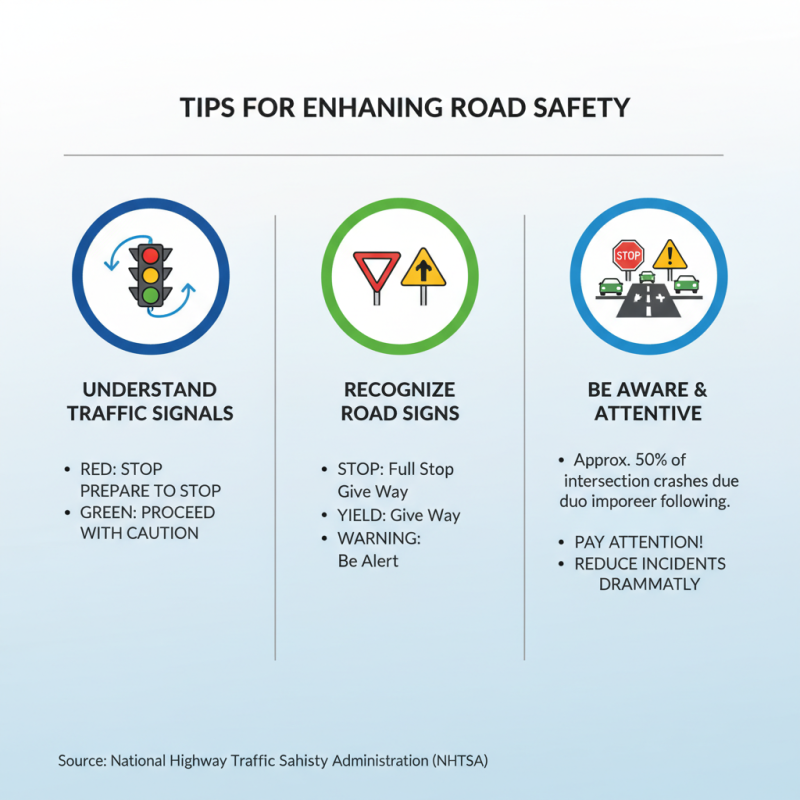
Understanding traffic signals and road signs is vital for road safety. According to the National Highway Traffic Safety Administration, improper following of signals leads to approximately 50% of intersection crashes. Being aware and attentive can dramatically reduce these incidents.
One essential tip is to familiarize yourself with colors and shapes. Red means stop, while green indicates go. Yellow warns to prepare to stop. Each shape conveys specific rules, helping drivers make quick decisions. In fact, properly interpreting these signs could save lives.
Another helpful advice is to stay alert for pedestrian signals. In urban areas, these signals guide pedestrians safely across streets. Ignoring these can cause accidents. Zone awareness is crucial; for instance, areas near schools have heightened caution. Always expect the unexpected, as distracted driving remains a major issue. Adjusting your habits, like limiting smartphone use while driving, can enhance safety for all road users.