Best Radar Speed Sign Solutions for Effective Traffic Control?
In today's fast-paced world, the need for effective traffic control is more crucial than ever. Radar Speed Signs have emerged as a vital tool in managing speed and ensuring the safety of pedestrians and drivers alike. As John Smith, an expert in traffic management, states, "Radar Speed Signs not only reduce speeding but also promote a culture of compliance." This technology uses radar to monitor vehicle speeds, providing real-time feedback to drivers.
However, implementing Radar Speed Sign solutions requires careful consideration. Each location presents unique challenges, such as visibility and placement. Local authorities must analyze traffic patterns and adjust their strategies accordingly. Research indicates these signs can lead to a significant drop in speed in high-risk areas. Yet, not all municipalities have fully embraced this technology.
Though the benefits are clear, some decision-makers hesitate, fearing costs or questioning their effectiveness. It's crucial to reflect on these concerns and seek optimal ways to integrate Radar Speed Signs into traffic management systems. By fostering a thoughtful approach, communities can enhance road safety and bring lasting change to their streets.
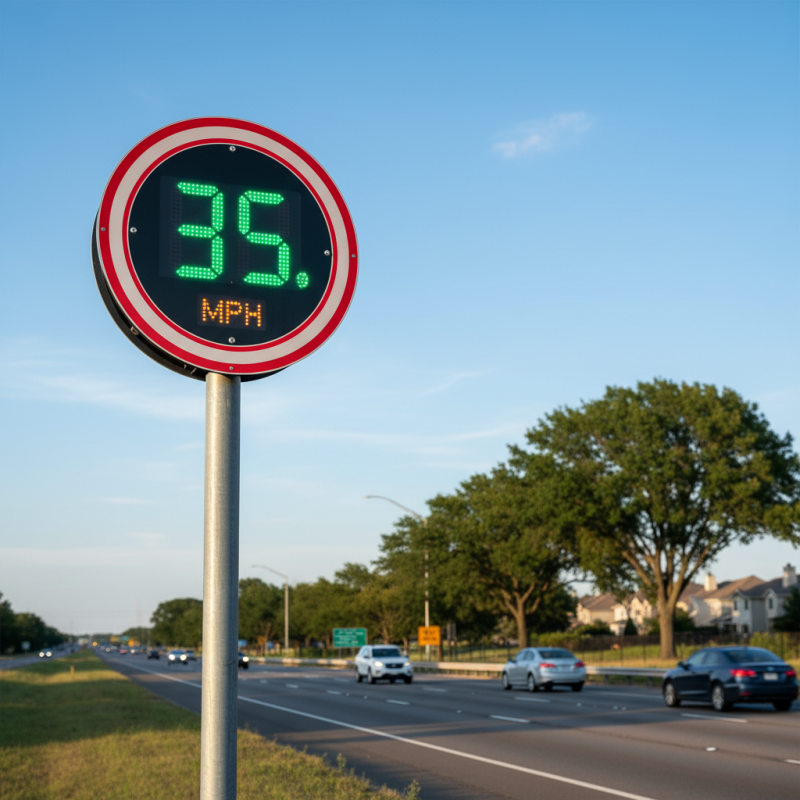
Best Radar Speed Sign Solutions for Effective Traffic Control
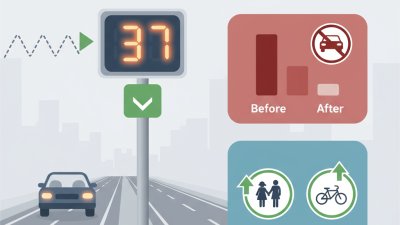
Radar speed signs are essential tools for effective traffic control. They indicate vehicle speed and provide immediate feedback to drivers. According to the Federal Highway Administration, the use of these signs can reduce speeding by up to 15%. This principle is backed by numerous studies showcasing their role in enhancing road safety. They work by alerting drivers to slow down and adhere to speed limits.
While radar speed signs offer great benefits, challenges exist. One common issue is their susceptibility to environmental factors. Heavy rain or fog can affect visibility, reducing their effectiveness. Moreover, signs may malfunction if not regularly maintained. A study by the Institute of Transportation Engineers emphasizes that regular maintenance can improve the accuracy and lifespan of these signs.
Another consideration is the placement of radar speed signs. A report from the Transportation Research Board suggests optimal placement can lead to a 20% improvement in compliance rates. However, if placed poorly, the signs might go unnoticed. Therefore, thoughtful placement is vital for maximizing their impact on traffic behavior.
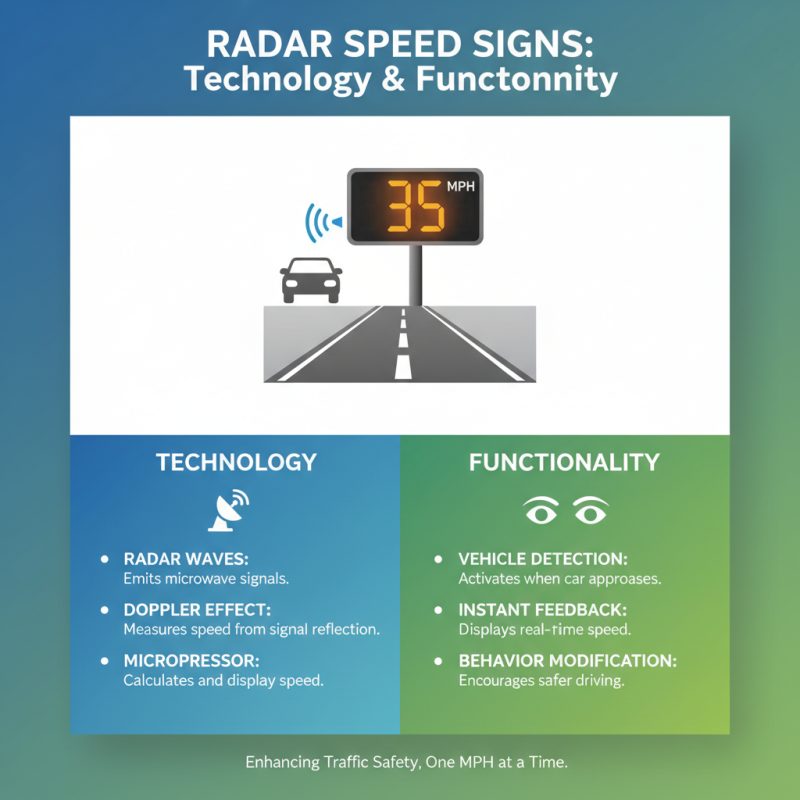
Understanding Radar Speed Signs: Technology and Functionality
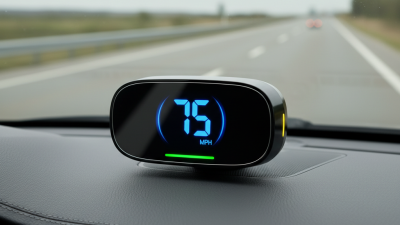
Radar speed signs utilize advanced technology to enhance traffic control. They operate by detecting vehicle speeds using radar waves. When a vehicle approaches, the sign activates, displaying the vehicle's speed prominently. This instant feedback can be a wake-up call for many drivers who may not realize how fast they are going. Frequent use of these signs can foster more responsible driving behaviors over time.
The functionality of radar speed signs is more than just speed detection. They can collect valuable data for traffic analysis. This data helps authorities understand traffic patterns and make informed decisions. However, there can be limitations. Some drivers may ignore the signs or not respond to them as intended. This could raise questions about their overall effectiveness. Sometimes, the location of the signs can also influence how much impact they have.
While radar speed signs show promise, not all solutions are created equal. It's vital for communities to assess their needs carefully. A sign in a high-speed area may need different features than one in a school zone. Adjusting sign visibility, data collection options, and sign placement can maximize effectiveness. Continuous evaluation and adaptability are key for sincere traffic control efforts.
Key Benefits of Installing Radar Speed Signs in Urban Areas
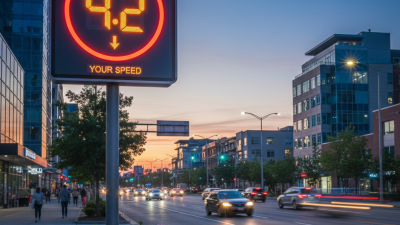
Installing radar speed signs in urban areas offers numerous benefits. These signs enhance driver awareness and encourage compliance with speed limits. When drivers see their speed displayed, they often slow down. This simple technology promotes safer streets for everyone, especially in residential zones.
One key aspect is the reduction of accidents. Speeding is a major factor in traffic incidents. Radar signs help mitigate this risk by acting as constant reminders of speed limits. They also gather data on traffic patterns. This information can assist city planners in making informed decisions to improve road safety.
Tips for effective implementation include placing signs in high-traffic areas. Locations near schools or parks are ideal. Regular maintenance ensures that the signs remain functional and visible. Community involvement can also enhance awareness around these signs. Encourage residents to engage in discussions about speed control measures. Every effort counts toward creating a safer urban environment.
Comparative Analysis: Fixed vs. Portable Radar Speed Signs
Radar speed signs are vital for traffic control. They help reduce vehicle speeds in problem areas. Fixed and portable options each have unique advantages.
Fixed radar speed signs are often permanently installed. They can provide continuous monitoring. According to a study from the Federal Highway Administration, these signs can reduce speeding by up to 15%. This long-term solution helps maintain lower speeds consistently. However, installations can be costly. Regular maintenance is also required, which can add to expenses.
Portable radar speed signs offer flexibility. They can be moved to various locations as needed. This mobility allows for temporary speed enforcement in areas with fluctuating traffic patterns. Data from the Institute of Transportation Engineers indicates that portable units can reduce speeding by up to 25% in active work zones. Yet, they require ongoing management to relocate and set up, which can be logistically challenging.
Both types have strengths and weaknesses. Fixed signs provide stability, while portable signs offer adaptability. The choice depends on specific community needs and budget constraints. Understanding their impact on traffic behavior is essential for effective implementation. Balancing these factors can improve traffic safety while managing resources efficiently.
Impact of Radar Speed Signs on Traffic Speed Reduction Metrics
Radar speed signs play a crucial role in
traffic control. These signs display the speed of
approaching vehicles, creating awareness among drivers. Evidence shows that they can
effectively reduce vehicle speeds in both urban and rural areas. A study indicated that
average speed reductions can reach up to 15%.
This improvement significantly enhances pedestrian safety and reduces the likelihood of
accidents.
However, the impact of these signs can vary based on several factors. Location is vital; a sign placed in a
high-traffic area may show better results than one in a quieter zone. Weather conditions
also play a role, as rain or fog can affect visibility. Moreover, driver response to the
signs may differ, with some individuals ignoring them despite awareness. Continuous monitoring and analysis
are necessary to assess their long-term effectiveness.
While radar speed signs do promote safer driving habits, their implementation is not
without challenges. Some drivers may become desensitized to the signs over time. This
highlights the need for regular updates and possibly the addition of other traffic
calming measures. Community engagement is also essential, as educating the public about
the signs' benefits can further enhance their impact on traffic speed reduction.
Conclusion
Radar speed signs are innovative traffic management solutions designed to monitor and display vehicle speeds, which can significantly improve road safety. These devices utilize advanced technology to detect approaching vehicles and provide real-time feedback to drivers, encouraging them to adhere to speed limits. The benefits of installing radar speed signs in urban areas are manifold, including a notable reduction in traffic speeds, enhanced driver awareness, and a decrease in accident rates.
Furthermore, a comparative analysis reveals the advantages of both fixed and portable radar speed signs, allowing traffic managers to choose the most suitable option for their specific needs. Case studies from various regions illustrate the successful implementation of radar speed signs, showcasing their effectiveness in achieving desired traffic control outcomes. Overall, radar speed signs represent a proactive measure in promoting safer driving behaviors and improving overall traffic flow in urban environments.