How to Improve Road Safety for Global Supply Chain Efficiency?
Road safety is a critical concern in the global supply chain. According to the World Health Organization, road traffic injuries cause over 1.35 million deaths each year. This reality impacts logistics and sustainability. Delays due to accidents lead to financial losses. In the U.S. alone, traffic incidents cost the economy approximately $450 billion annually.
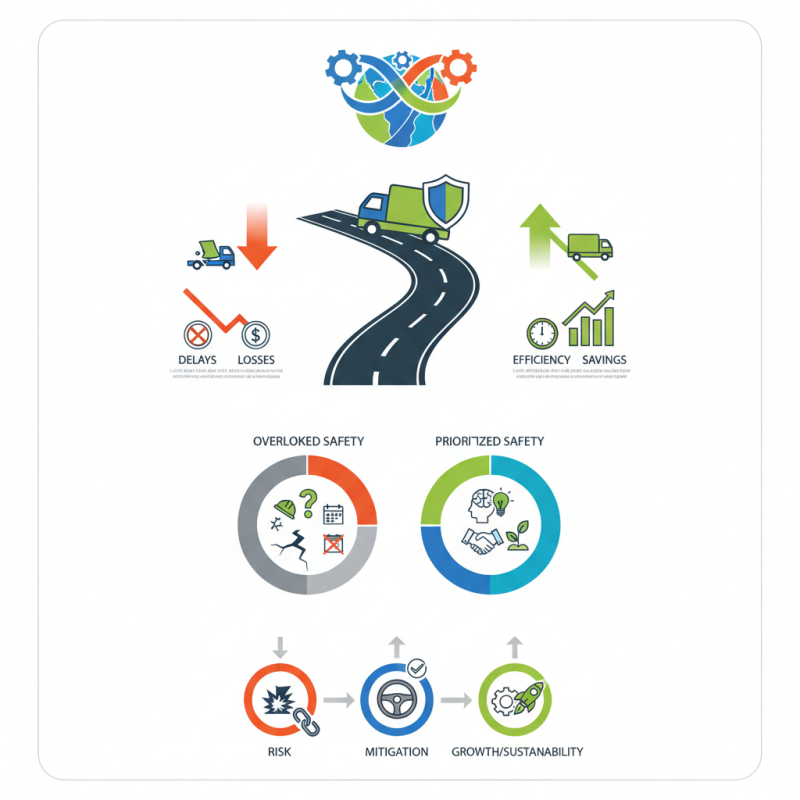
Improving road safety can enhance operational efficiency. Greater safety measures reduce accident rates and ensure timely deliveries. A study by the International Transport Forum reveals that safer roads can decrease transportation costs by up to 30%. However, many companies still overlook the importance of road safety in their supply chain strategies.
Eliminating risks on the road is not just a moral obligation; it is a business necessity. Companies often underestimate the long-term benefits of investing in safety. This oversight can lead to missed opportunities for growth and innovation. Addressing road safety in supply chains requires a shift in mindset. By prioritizing road safety, businesses enhance their efficiency and sustainability.
Understanding the Impact of Road Safety on Supply Chain Performance Metrics
Road safety significantly impacts the performance metrics of global supply chains. A well-managed supply chain relies on timely deliveries and minimal disruptions.
Accidents on the road can cause delays, increasing costs and affecting customer satisfaction. Companies need to consider these factors seriously.
Improving road safety requires investment in training for drivers. Educating them on safe driving practices can reduce accidents.
Installation of safety technology, like GPS tracking or collision avoidance systems, can further help. However, these solutions are not foolproof. Challenges still exist, such as unpredictable weather conditions and road quality.
Monitoring supply chain performance metrics is essential to understand these impacts. Companies can analyze
delivery timelines, cost variations, and customer feedback. When road safety is prioritized, these metrics tend to improve.
Ultimately, a focus on safety can lead to more efficient operations and better outcomes for all stakeholders.
Key Statistics on Road Traffic Accidents Affecting Global Logistics Operations
Road traffic accidents significantly impact global logistics operations. According to the World Health Organization, approximately 1.3 million people die annually in traffic-related incidents. This staggering figure emphasizes the need for improved road safety across supply chains. The economic cost of these accidents is equally alarming. The World Bank estimates that traffic accidents cost countries about 3% of their GDP.
In the logistics industry, delays caused by accidents can disrupt supply chains significantly. A study by the European Commission revealed that road accidents delay goods delivery by an average of 30%. This delay can result in missed deadlines and increased operational costs. Moreover, the emotional toll on drivers involved in accidents cannot be overstated. Their well-being is crucial for maintaining an efficient workforce.
Data shows that improving road safety measures can yield positive outcomes for logistics. Implementing advanced driver-assistance systems can reduce accidents by 20-40%, according to the National Highway Traffic Safety Administration. Yet, many logistics companies still lack comprehensive safety training for drivers. This gap highlights an ongoing challenge that needs addressing to enhance supply chain efficiency.
How to Improve Road Safety for Global Supply Chain Efficiency? - Key Statistics on Road Traffic Accidents Affecting Global Logistics Operations
| Region |
Annual Road Traffic Accidents |
Fatalities Per Year |
Economic Loss (in Billion $) |
Percentage of Supply Chain Delays |
| North America |
6.5 million |
38,800 |
230 |
25% |
| Europe |
1.5 million |
25,500 |
120 |
20% |
| Asia |
3.2 million |
1,400,000 |
400 |
30% |
| Africa |
1.2 million |
230,000 |
50 |
35% |
| South America |
450,000 |
50,000 |
30 |
15% |
Best Practices for Implementing Road Safety Measures in Supply Chains
Improving road safety is essential for enhancing global supply chain efficiency. Adopting best practices can significantly reduce accidents and delays.
One effective measure is conducting regular safety training. Drivers should receive updated instruction on safe driving techniques and vehicle maintenance. Consider using real-time data analytics to track driving behavior. This allows you to identify high-risk patterns and adjust training accordingly.
Tips for improving road safety include: ensuring vehicle inspections are routine. These checks help prevent mechanical failures that can lead to accidents. Encourage a culture of safety among employees. This approach can increase awareness and accountability, ultimately enhancing safety on the road.
Investing in technology can also play a vital role. GPS systems can monitor routes and pinpoint hazards. However, reliance on technology should not be absolute. Human judgment remains crucial in unpredictable situations. Balance is key to achieving reliable safety measures in your supply chain.
Utilizing Technology to Enhance Road Safety and Supply Chain Efficiency
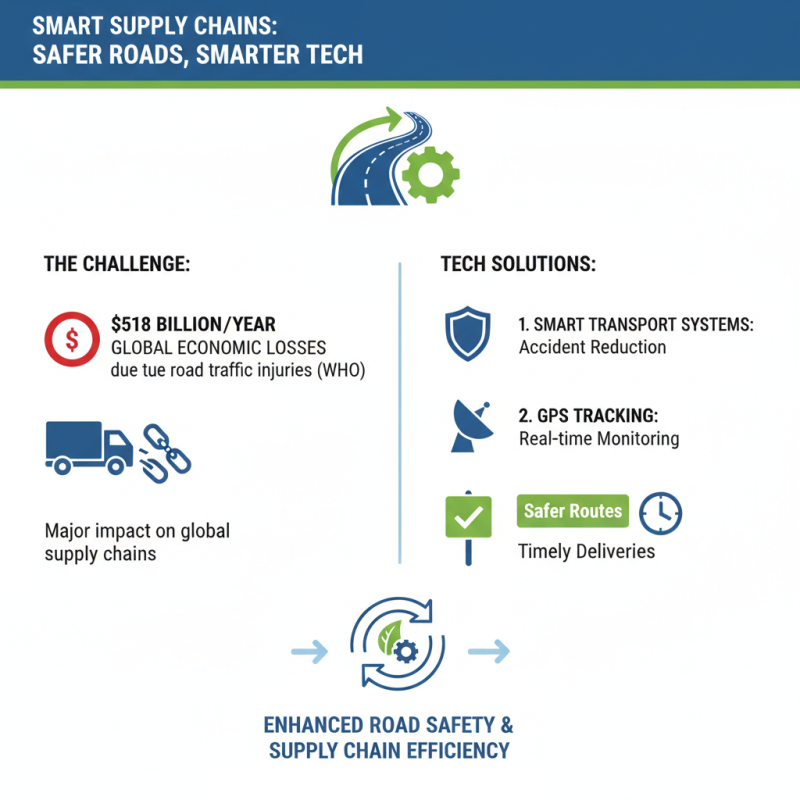
Improving road safety is crucial for enhancing supply chain efficiency. According to a report by the World Health Organization, road traffic injuries cost economies around $518 billion each year. Much of these losses impact global supply chains. Utilizing technology can mitigate these risks. Implementing smart transportation systems aids in reducing accidents. GPS tracking allows real-time monitoring of vehicles, leading to safer routes and timely deliveries.
Data from the National Highway Traffic Safety Administration indicates that approximately 94% of traffic collisions are due to human error. Automated driving technologies could significantly lower this number. While the technology promises efficiency, the transition presents challenges. Driver training and public acceptance are barriers that must be addressed. Stakeholders must invest in employee education about new technologies and safety protocols.
Furthermore, integrating AI for predictive analysis can anticipate potential hazards. This not only prevents accidents but also ensures smoother logistics operations. However, reliance on technology raises questions. What happens during system failures? How do we maintain human oversight in critical situations? Reflecting on these issues is essential as we push forward for a safer, more efficient global supply chain.
Collaborative Efforts: Improving Road Safety Through Industry Partnerships
Road safety plays a crucial role in enhancing the efficiency of global supply chains.
Collaborative efforts among industry stakeholders can significantly reduce accident rates and improve transportation reliability.
According to the International Transport Forum, road traffic accidents result in over 1.35 million fatalities each year, posing a significant threat to supply chain continuity.
Partnerships between logistics companies, governments, and non-governmental organizations can lead to effective road safety initiatives.
For example, comprehensive training programs can equip drivers with safe driving techniques, reducing human errors.
The World Health Organization reports that implementing such training can lower accident rates by up to 30%.
Moreover, deploying technology, like GPS tracking and advanced driver-assistance systems, can enhance situational awareness on the road.
However, a gap often exists between policy and practice. Despite awareness, many supply chain players underestimate the importance of investing in safety programs.
A study from the European Commission highlighted that only about 20% of logistics firms prioritize road safety in their operational strategies.
This oversight can result in increased costs due to delays and accidents.
More companies need to engage in meaningful partnerships to create a culture of safety within the industry.