How to Choose the Right Traffic Signal and Road Signs for Safety?
Choosing the right traffic signal and road signs is crucial for ensuring public safety. According to the Federal Highway Administration (FHWA), approximately 50% of all traffic fatalities result from improper road signage or signal malfunctions. Effective traffic signal and road signs play a significant role in guiding drivers and maintaining order on our roads.
In recent years, cities have made strides in improving traffic management systems. However, there is still a significant gap in the implementation of standardized signage. Inadequate or poorly placed signs can lead to confusion, increasing the risk of accidents. Safety experts recommend considering factors like visibility and clarity when selecting these essential tools.
Moreover, technology is evolving. Smart traffic signals and digital signage are becoming more common. These innovations can adapt to changing traffic conditions. Yet, challenges remain, as many areas still rely on outdated systems. Investing in the right traffic signal and road signs is essential not only for compliance but also for enhancing overall road safety.
Understanding the Importance of Traffic Signals and Road Signs
Traffic signals and road signs play a critical role in ensuring road safety. These visual cues guide drivers and pedestrians alike, helping to prevent accidents. When designed effectively, they reduce confusion and promote smooth traffic flow. For example, a well-placed stop sign can significantly lower speed at intersections, allowing vehicles to cross safely.
Understanding the importance of these signals goes beyond basic functionality. They communicate vital information instantly. Mistakes can arise when signs are unclear or poorly positioned. For instance, misinterpretation can lead to dangerous situations. Drivers might miss yield signs or overlook pedestrian crossings, putting lives at risk.
Selecting appropriate signals involves understanding the context of each location. Factors such as traffic volume, road characteristics, and accident history matter. A heavy traffic area may require more visible signals. Meanwhile, quieter neighborhoods may need less intrusive signage. Each situation demands careful consideration to enhance safety effectively.
Traffic Signal and Road Signs Effectiveness
Factors to Consider When Selecting Traffic Signals
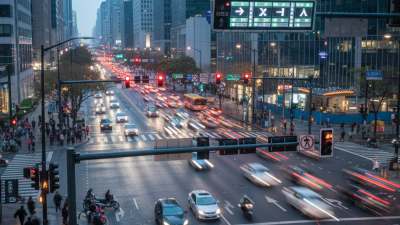
When selecting traffic signals, several key factors must be considered. Visibility is crucial; signals should be easily seen by drivers and pedestrians, especially at night or in bad weather. According to the Institute of Transportation Engineers, 80% of traffic accidents occur at intersections. Thus, the right visibility can significantly reduce risks.
Another important factor is local traffic patterns. Different areas have unique needs based on vehicle and pedestrian volumes. Research shows that areas with higher foot traffic may require additional signage or signals. It is also essential to consider the placement of these signals. Too close to the intersection or too far away can confuse drivers, leading to accidents. A proper assessment of sight distance and signal placement is vital.
Durability and maintenance are often overlooked. Signals need to withstand various weather conditions, from heavy rain to extreme heat. Studies indicate that poorly maintained signs can lead to a 25% increase in accidents at critical intersections. Regular inspections and timely repairs are necessary to ensure functionality. Planning for these factors can enhance road safety and reduce accidents significantly, contributing to overall community well-being.
Types of Traffic Signals and Their Appropriate Uses
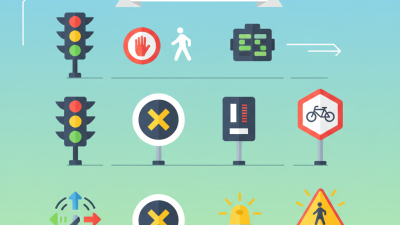
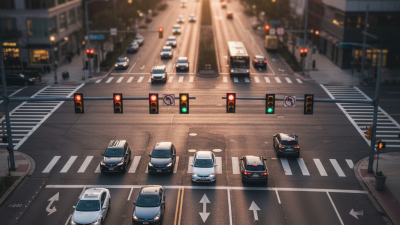
Choosing the right traffic signals and road signs is crucial for ensuring safety on the roads. There are multiple types of traffic signals, each designed for specific situations. Traffic lights control vehicle movement at intersections. They use red, yellow, and green colors to manage the flow of traffic. Pedestrian signals are imperative. They notify pedestrians when it's safe to cross.
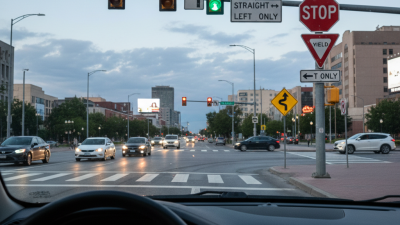
Stop signs and yield signs are other essential types. A stop sign requires drivers to come to a complete halt. This helps prevent accidents at busy intersections. Meanwhile, a yield sign prompts drivers to slow down and yield to oncoming traffic. These signs are critical in locations with a high volume of pedestrians.
Understanding the appropriate use of these signals is vital. Sometimes, communities may neglect to place the right signs in the right places. This can lead to confusion and potential danger. Observing local traffic patterns can provide insights into where improvements are needed. Proper placement of signals not only aids drivers but can reduce the risk of accidents and injuries.
Key Features of Effective Road Signs for Safety
Effective road signs play a crucial role in ensuring traffic safety. Research shows that around 40% of traffic accidents occur at intersections, where signs and signals are vital. Effective road signs should have high visibility, clear messaging, and universal symbols. The American Association of State Highway and Transportation Officials (AASHTO) emphasizes that signs must be easily understood by all drivers, regardless of language proficiency. Bright colors and reflective materials significantly enhance visibility, particularly at night.
Longevity and durability are also essential traits of effective road signage. According to a report by the Federal Highway Administration, signs that fade or deteriorate increase the risk of accidents. A well-maintained sign can reduce accidents by 25%. Regular inspections and timely replacements are necessary to uphold safety standards. Rain and weather conditions can impact sign visibility. Anti-glare features can make a significant difference in poor weather.
Some road signs remain misunderstood by drivers. For example, the meaning of a flashing yellow signal is frequently confused. This misconception can lead to hesitation or erratic driving behavior. Ensuring these signs are accompanied by clear, concise instructions can help mitigate this issue. Data suggests that improved signage led to a 15% decrease in confusion-based incidents. Continuous feedback from drivers and authorities is crucial to identify areas needing improvement.
How to Choose the Right Traffic Signal and Road Signs for Safety?
| Feature |
Description |
Importance |
Examples |
| Visibility |
Clear and bright signs that can be seen from a distance |
Ensures drivers can read signs in time to react |
Reflective materials, LED signals |
| Standardization |
Consistent symbols and formats across regions |
Reduces confusion for drivers from different areas |
Uniform traffic signs as per national standards |
| Positioning |
Correct placement of signs at appropriate distances |
Enhances response time of drivers to upcoming hazards |
Signs placed before intersections, speed limit notifications |
| Clarity |
Simple language and symbols that convey the message |
Minimizes misinterpretation and enhances understanding |
Stop signs, yield signs, clear directional arrows |
| Durability |
Material that withstands weather conditions |
Ensures longevity and continued effectiveness of signage |
Weather-resistant materials, anti-fade coatings |
Best Practices for Implementing Traffic Control Devices
Implementing effective traffic control devices is crucial for road safety. Properly chosen signals and signs can reduce accidents and improve traffic flow. A well-designed traffic signal can guide drivers safely through intersections. The placement of these devices must consider visibility and readability. They need to be easy to understand, even from a distance. Simple icons and clear text help convey messages quickly.
Adding reflective materials to signs enhances nighttime visibility. Regular maintenance is vital to ensure that signals operate correctly. Malfunctioning signals can create confusion. Unexpected issues, like damaged signs, should be addressed immediately. Evaluate the environment regularly. Road work and changes in traffic patterns can impact effectiveness.
The community’s input is valuable during the planning stage. Engaging locals can help identify high-risk areas. Their insights might highlight problems not apparent on maps. After installation, monitoring and adjusting these devices is an ongoing process. What works today may not suffice tomorrow. Continuous improvement is an integral part of road safety.