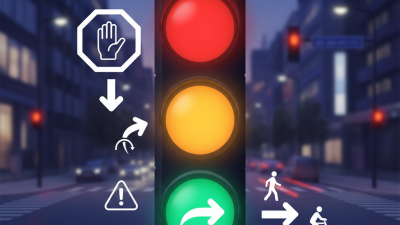
Top Traffic Signal Trends for 2026 What Buyers Need to Know
As we look ahead to 2026, the landscape of traffic signal technology is undergoing rapid transformation. These developments are shaping urban mobility and traffic management. Buyers seeking to invest in traffic signal systems must stay informed about these trends.
One notable trend is the integration of smart technology. Advanced sensors and AI are optimizing traffic flow. This shift enhances safety and reduces congestion. However, the implementation can be costly and requires training for effective use. Understanding these aspects is crucial for decision-makers.
Another significant trend is the growing emphasis on sustainability. Eco-friendly traffic signals are becoming more popular. They utilize energy-efficient LEDs and renewable energy sources. While promising, buyers must ensure they meet local regulations. This careful consideration will impact the success of any new installation. Embracing these trends in traffic signal technology can lead to smarter, safer cities.
Emerging Technologies in Traffic Signal Systems for 2026
As we approach 2026, traffic signal systems are evolving rapidly, influenced by new technologies. Smart sensors are becoming more prevalent, collecting real-time data on vehicle flow. These systems can adjust signal timing to optimize traffic management. Such adaptations improve overall traffic efficiency, reducing congestion in busy urban areas.
Another intriguing trend is the integration of artificial intelligence in traffic signals. AI can analyze patterns in traffic data, predicting peak times and adjusting signals accordingly. This technology has the potential to significantly enhance safety. It can minimize accident risks by responding promptly to unusual traffic conditions. However, implementing AI systems can be challenging, requiring robust infrastructure and regular maintenance.
Moreover, connectivity is key in modern traffic management. Vehicle-to-everything (V2X) communication allows vehicles to interact with traffic signals, enhancing coordination. This could lead to smoother traffic flows and improved commuting experiences. Still, vulnerabilities exist. Cybersecurity threats pose risks to these connected systems, raising questions about data security and reliability. As cities invest in these technologies, careful consideration of their impact on traffic safety and urban planning is crucial.
Top Traffic Signal Trends for 2026
This bar chart illustrates the emerging technologies in traffic signal systems for 2026, highlighting critical areas of growth and innovation. The data reflects the anticipated adoption rates of various technologies that are set to revolutionize traffic management.
Key Features Buyers Should Look for in New Traffic Signals
In 2026, buyers of traffic signals will need to focus on key features that enhance safety and efficiency. A report by the Institute of Transportation Engineers indicates that advanced signal technologies can reduce traffic accidents by up to 30%. This statistic underscores the importance of investing in systems that integrate real-time data analytics. Such systems allow for adaptive signal timing, responding dynamically to fluctuations in traffic flow.
Buyers should prioritize signals equipped with LED technology. LEDs consume 50% less energy than traditional bulbs, contributing to reduced operational costs. Additionally, they have a longer lifespan, which decreases maintenance frequency. However, the transition to more energy-efficient technologies is not without challenges. Many agencies report difficulties in adopting new systems due to outdated infrastructure. The incompatibility of new signal technologies with existing electrical systems remains a hurdle.
Another consideration is the integration of smart features. Systems that communicate with pedestrians and vehicles will improve safety. A recent study found that pedestrian detection features decrease accidents by 20%. Despite these benefits, there are concerns about cybersecurity vulnerabilities. As traffic signals become more interconnected, ensuring data protection is critical. Buyers must weigh these risks carefully while selecting new traffic signal solutions.
Impact of Smart City Initiatives on Traffic Signal Design
Smart city initiatives are reshaping traffic signal design dramatically by integrating advanced technology. According to a recent report by the
International Council on Local Environmental Initiatives (ICLEI), cities that adopt smart traffic systems can reduce congestion by up to
30%.
These systems utilize real-time data analysis to adjust signal timings and improve traffic flow. Adaptive signal control systems are at the forefront of this change, allowing for immediate adjustments based on current traffic conditions.
One key aspect of smart traffic signals is their ability to communicate with other city infrastructure. They can interact with emergency vehicles and public transport, giving priority and optimizing response times. This is crucial as studies show that effective signal prioritization can shave minutes off emergency response times, potentially saving lives. However, integrating these systems into existing frameworks poses challenges. Infrastructure costs and the need for skilled personnel can be significant hurdles.
Tip: When considering smart traffic signals, assess your city’s current infrastructure. Identify areas where technology can provide the most benefit.
Additionally, the aspect of cybersecurity cannot be overlooked. As cities become more interconnected, the risk of cyberattacks increases. A survey by the
National Highway Traffic Safety Administration highlights that
73% of cities face potential threats to their traffic management systems. Planning for security measures is essential to protect sensitive data and maintain system reliability.
Tip: Prioritize cybersecurity in your traffic signal investments. Regular updates and training for staff can mitigate risks.
Sustainability Trends Influencing Traffic Signal Manufacturing
The traffic signal industry is undergoing significant changes driven by sustainability.
As urban areas grow, the demand for eco-friendly traffic signals rises. Manufacturers are increasingly focusing on
energy-efficient technologies to decrease carbon footprints. Incorporating solar panels in traffic signals is one innovative approach.
These panels allow signals to operate independently, reducing dependency on grid electricity.
Sustainable materials are also becoming essential in production. Many manufacturers are exploring
recycled materials for signal housings. This not only lowers resource consumption but also aligns with the growing consumer desire for green products.
Yet, not all manufacturers prioritize these practices, raising questions about industry-wide standards.
Expect to see smarter traffic signals in the near future. These signals will rely on real-time data to optimize traffic flow and minimize emissions.
However, data privacy concerns must be addressed. Balancing innovation with ethical considerations is crucial as this field advances.
The path toward sustainability is filled with challenges, reflecting an industry that is continually evolving.
The Role of AI and Machine Learning in Traffic Signal Optimization
As traffic congestion continues to rise, the integration of
AI and
machine learning in traffic signal optimization is becoming crucial.
These technologies analyze vast amounts of traffic data to enhance signal timings, promoting smoother traffic flow.
By utilizing real-time data, they can adapt signals based on current conditions,
reducing wait times for drivers and improving overall traffic efficiency.
Tips: When considering traffic signaling systems, look for those that incorporate adaptive technologies.
An adaptable system can change signal patterns based on the volume of traffic.
This feature not only improves flow but also enhances safety for pedestrians.
The ongoing evolution of AI in traffic management presents both opportunities and challenges.
While the promise of reduced congestion and increased safety is enticing, there are risks in overreliance on automated systems.
Human oversight remains essential to address unpredictable events.
Proper training for operators ensures a balanced approach, blending technology with human judgment.
Implementing these advanced systems requires careful planning.
Cities should assess their unique traffic patterns before adopting new technologies.
Collaboration between city planners and tech specialists is vital for success.
Balancing innovation with practical needs can guide effective traffic solutions for the future.