10 Essential Tips for Understanding Traffic Signals Safely
Traffic signals play a crucial role in maintaining order on our roads. Understanding them is essential for safety, whether you are driving, biking, or walking. Yet, many people overlook the importance of recognizing their meanings. For instance, a simple red light can save lives if followed correctly. However, misunderstandings often lead to accidents.
Proper knowledge of traffic signals can prevent unfortunate incidents. Many assume they understand the signals without pausing to reflect on their implications. How often do we disregard yellow lights, thinking we can speed through? This careless behavior endangers everyone's safety.
Becoming more aware of traffic signals is an achievable goal. A focus on each signal's purpose and implications leads to safer roads. Embrace the responsibility of understanding these vital guidelines. It requires continuous learning and observation. Each intersection presents new challenges. So, let's dive into the essential tips for understanding traffic signals safely.
Understanding the Basic Colors and Functions of Traffic Signals
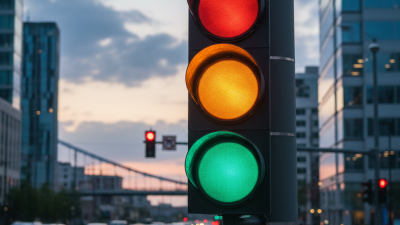
Traffic signals play a crucial role in urban safety. The basic colors—red, yellow, and green—convey essential information to drivers and pedestrians. According to the Federal Highway Administration, about 1,000 lives could be saved annually with proper understanding and adherence to these signals. Red means stop. It is vital for drivers to recognize this and come to a full halt. Yet, many still rush through intersections when the light changes. Awareness is key.
Yellow alerts drivers that the signal is about to turn red. It serves as a warning, giving time to slow down or prepare to stop. However, confusion often arises. Some drivers accelerate rather than slow down, leading to potential accidents. Studies have shown that junctions with clear signaling reduce collision rates by nearly 25%. Green signals that it’s safe to go, but vigilance is still required. Pedestrians may still cross, and other vehicles may not follow the rules.
Understanding traffic signals is not just about compliance; it's about making informed decisions. Misinterpretations can lead to dangerous situations. Everyone has been in a rush at some point, but education on these signals can make a significant difference. Memorializing the rules of the road is paramount. The colors are simple yet powerful tools for ensuring safe travels.
Traffic Signal Colors and Functions
This chart illustrates the functions of different traffic signal colors based on common traffic signal guidelines. Understanding these signals is essential for safe driving and pedestrian awareness.
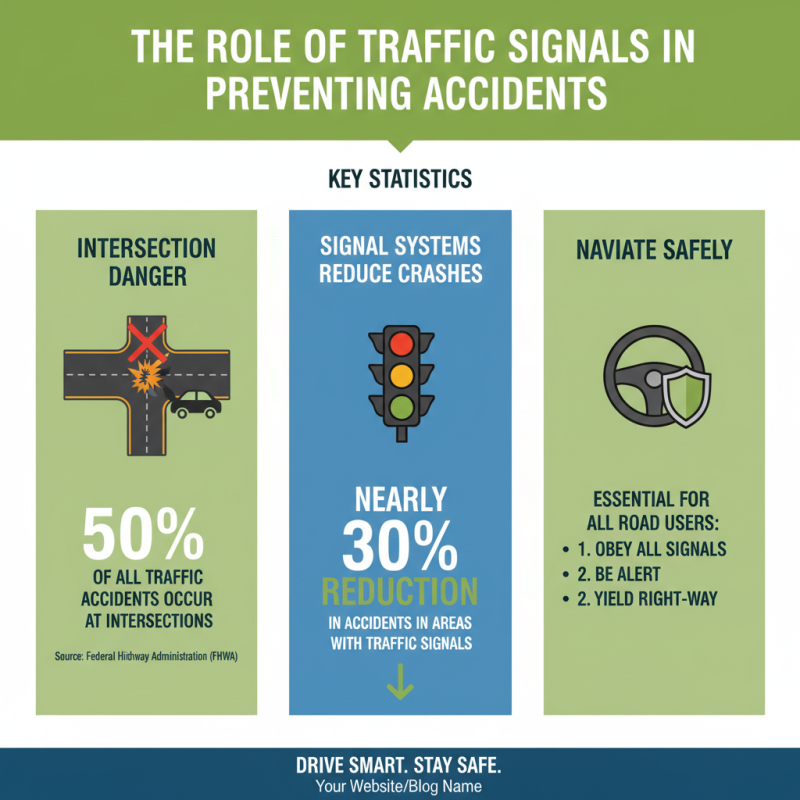
The Role of Traffic Signals in Preventing Accidents: Key Statistics
Traffic signals play a crucial role in preventing accidents at intersections. According to the Federal Highway Administration, about 50% of all traffic accidents occur at these points. Implementing traffic signal systems can reduce these incidents significantly, decreasing them by nearly 30% in some areas. Understanding how to navigate these signals safely is essential for all road users.
Pay attention to the colors of traffic signals. Red means stop, yellow means caution, and green means go. Always prepare to stop when the light turns yellow, as it can prevent last-minute decisions that lead to accidents. Also, remember to check for pedestrians and cyclists before making a turn. This careful observation can reduce collision likelihood and keep everyone safe.
Lastly, be aware of your surroundings. A distracted driver is a dangerous driver. Research shows that 25% of traffic incidents result from distractions. Whether it's texting or adjusting your radio, these actions divert your focus from the road. Prioritizing safe driving habits can significantly lower accident risks.
Best Practices for Pedestrians at Traffic Signals: Safety Guidelines
Understanding traffic signals is crucial for pedestrian safety. According to the National Highway Traffic Safety Administration (NHTSA), over 6,500 pedestrian fatalities occurred in the U.S. in 2020. Most accidents happen at intersections where signals are present. Pedestrians need to be aware of their surroundings, even when they have the right of way.
In urban areas, visibility can be poor. Many traffic signals aren't easily seen from a distance. This presents a challenge for pedestrians. When approaching a crosswalk, look for signals and vehicles. Make eye contact with drivers whenever possible. The American Automobile Association (AAA) emphasizes that a simple glance can prevent accidents. Distracted driving is a persistent threat. Relying solely on signals can be risky.
Waiting patiently for signals is not just a good practice; it’s essential. A study by the Insurance Institute for Highway Safety (IIHS) revealed that most pedestrian injuries occur when they ignore signals. Unfortunately, many pedestrians rush or jaywalk, leading to tragic outcomes. It’s sad to think that a moment's impatience can result in lifelong consequences. Consider the implications of each step taken near traffic signals and prioritize safety.
Interpreting Traffic Signal Patterns: Timing and Sequence
Understanding traffic signal patterns is essential for safe driving. Timing and sequence can greatly affect how one interprets signals. For instance, a steady red light means stop. However, some drivers may hesitate, unsure if it’s safe to cross. Familiarity with these signals can clear up confusion.
One important tip is to always watch the pedestrian signals. They often indicate when it’s safe to walk or cross. If the signal is flashing, it may be a warning. This is crucial information for both drivers and pedestrians. Another key aspect is to note the duration of green lights. In busy areas, they may be shorter, leading to rush. Stay aware and don’t assume you have ample time to proceed.
Timing patterns also vary at different intersections. Some may have longer green lights during peak hours. However, during late hours, lights might change more quickly. Learning these patterns helps reduce frustration and improves overall safety. Remember, being unsure can lead to unsafe situations for everyone on the road. Pay attention and don't rush.
Common Misunderstandings About Traffic Signals and Their Consequences
Misunderstandings about traffic signals can lead to serious consequences. Many drivers mistakenly think that a yellow light simply means "speed up." In reality, yellow lights signal caution and the need to prepare for a stop. Ignoring this can result in accidents or running a red light, which carries hefty fines and points on your driving record.
Pedestrians also face misunderstandings. Some might assume that a blinking red hand means they can cross if they hurry. However, it indicates that they should not start crossing at all. Misinterpretation can lead to dangerous situations. Also, cyclists often think a flashing yellow light gives them the right of way. This is not the case; it merely cautions them to slow down.
Educating ourselves about these signals is vital. Clear understanding enhances safety for everyone on the road. Many people overlook this critical aspect of driving. Reflecting on our assumptions can help minimize risks. Awareness is key to fostering a safer traffic environment for all users.
10 Essential Tips for Understanding Traffic Signals Safely
| Signal Type |
Common Misunderstandings |
Consequences |
Safety Tip |
| Red Light |
Some drivers think they can make a quick turn. |
Increased risk of accidents. |
Always come to a complete stop before turning. |
| Yellow Light |
Drivers often accelerate to beat the red light. |
Higher chances of collisions at intersections. |
Slow down and prepare to stop safely. |
| Green Light |
Many assume it’s safe without checking the cross traffic. |
Potential for collisions with vehicles running red lights. |
Check for pedestrians and oncoming traffic before proceeding. |
| Flashing Signals |
Drivers might not know they’re treated as stop signs. |
Risk of accidents due to neglecting to stop. |
Always treat flashing signals as stop signs. |
| Pedestrian Signals |
Some drivers ignore pedestrian crossing signals. |
Danger to pedestrians and potential fines. |
Always yield to pedestrians at crosswalks. |