inquiry
Leave Your Message

Why Are Traffic Signals and Road Signs Important?

Every day, a red light, a painted arrow, or a warning sign influences thousands of road decisions. These quiet controls tell drivers when to stop, where to turn, and what danger may appear ahead. Traffic Signal And Road Signs create a shared visual language for drivers, cyclists, pedestrians, and public transport operators. Without that language, a familiar intersection could become confusing within seconds. A green signal does not simply permit movement. It helps organize movement safely and predictably.

Their importance becomes clearer in real situations. A yellow diamond sign may warn of a sharp bend, while a pedestrian crossing sign can prompt a driver to slow near a school. Engineers and transport authorities design these messages around visibility, road speed, traffic flow, and human reaction time. Maintenance also matters. A signal covered by tree branches or a sign faded by sunlight may fail when people need it most. Small details matter.

Yet, no system is flawless. Drivers can misread signs, signals can malfunction, and road layouts may confuse even experienced users. That is why responsible road users should remain alert instead of relying on one instruction alone. Looking for changing signals, checking blind spots, and adjusting speed can prevent avoidable mistakes. Clear signs support good judgment; they cannot replace it. Understanding their purpose helps people move with greater confidence, patience, and respect for everyone sharing the road.
Why Are Traffic Signals and Road Signs Important?

What Traffic Signals and Road Signs Are

Why Are Traffic Signals and Road Signs Important?

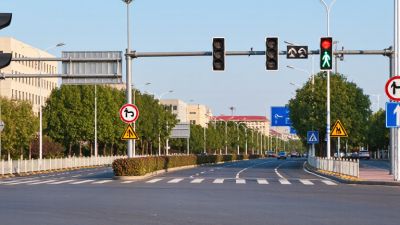
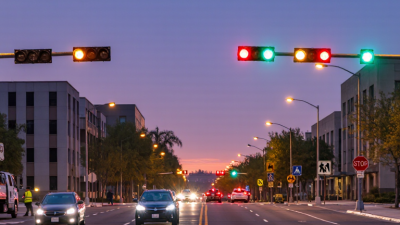
Traffic signals and road signs are the visual language of a road. Signals control movement at intersections through red, yellow, and green phases. Road signs provide rules, warnings, directions, and location information.

A red signal requires vehicles to stop.
A yellow signal warns that the phase is changing.
A green signal permits movement when the path is clear.

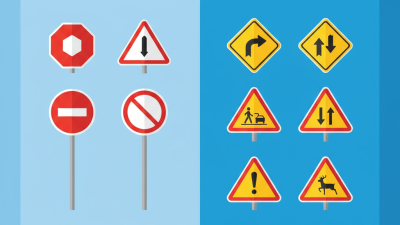
Signs use familiar colors, shapes, and symbols. Regulatory signs communicate legal instructions, such as speed limits or stopping requirements. Warning signs highlight hazards, including sharp bends, crossings, and narrow lanes. Guide signs identify routes, destinations, and essential services.

The Federal Highway Administration’s Manual on Uniform Traffic Control Devices describes these categories and supports consistent placement and design. Consistency matters. Drivers have little time to interpret unfamiliar symbols.

The World Health Organization’s Global Status Report on Road Safety 2023 estimates that about 1.19 million people die in road crashes each year.

Clear signals and signs cannot prevent every collision, but they reduce uncertainty at critical moments. A visible sign should stand above clutter, reflect headlights, and remain readable in rain. A signal should be timed for real traffic, pedestrians, and slower road users.

Small failures matter. A faded sign or hidden signal can create hesitation, even when the design is correct. Road agencies should inspect visibility, placement, maintenance, and local behavior instead of trusting installation alone.
How They Organize Traffic and Guide Road Users

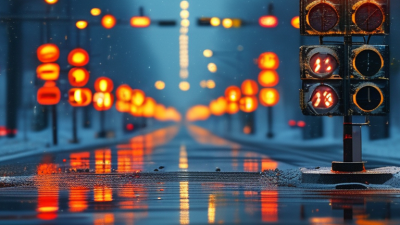
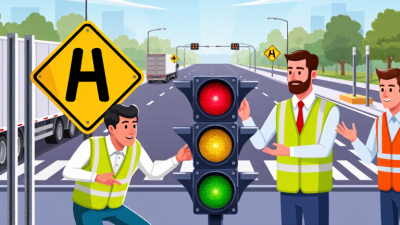
Traffic signals and road signs turn busy streets into readable systems. A red light creates a clear pause, while lane arrows assign movement before vehicles reach an intersection. Warning signs add time for judgment near crossings, curves, and school zones. This structure matters because the World Health Organization’s Global Status Report on Road Safety 2023 estimates 1.19 million road deaths worldwide each year. Organization cannot remove every mistake, but it can reduce surprise.

Good control devices guide more than drivers. They help pedestrians choose safer crossing points and help cyclists understand turning movements. The Federal Highway Administration’s Manual on Uniform Traffic Control Devices stresses consistency, visibility, and timely information. These details are practical. A sign hidden behind tree branches fails. A signal with poor timing creates impatient decisions. NHTSA reported 12,330 speeding-related deaths in the United States during 2022, showing how quickly unclear or ignored guidance can become dangerous. Still, signs are not magic. Engineers must review real traffic behavior, not only drawings and standards.

Tips: Slow down before the stop line. Read the next sign early. Check arrows, lane markings, and pedestrian signals together. At night, reduce speed when glare or rain hides details. Road users should not assume a green light guarantees safety. Design teams should inspect faded paint, blocked signs, and confusing intersections regularly. A technically correct layout can still feel unclear in real conditions. That uncomfortable gap deserves attention.

Why Are Traffic Signals and Road Signs Important?

Traffic signals and road signs organize movement, communicate priorities, and help protect every road user. In 2022, the United States recorded 42,514 traffic fatalities, including many people traveling outside passenger vehicles.

The number of fatalities among pedestrians, motorcyclists, and pedalcyclists shows why clear signals, visible signs, speed control, and predictable road behavior are essential for safer streets.

Why They Improve Safety and Prevent Accidents

Traffic signals and road signs are practical safety tools, not decoration. They organize movement when drivers, cyclists, and pedestrians share limited space. A red light creates a clear stopping point. A warning sign gives people extra seconds to slow down, look, and decide. Those seconds matter. The World Health Organization reported about 1.19 million annual road deaths worldwide in its Global Status Report on Road Safety 2023. Many crashes involve poor decisions, but confusing roads and late warnings can make those decisions worse.

Clear signals reduce conflict at intersections. Arrows separate turning vehicles from people crossing on foot. Speed signs also help drivers adjust before sharp bends, school zones, or crowded streets. Guidance from the Federal Highway Administration stresses consistent signs, visible placement, and uniform meanings. A sign hidden behind tree branches is technically present, but practically useless. Small details matter. Clean markings help at night. Working signal lights help during rain.

Road rules cannot replace attention. Drivers still misread signs, rush through yellow lights, or follow vehicles too closely. In 2022, 1,149 people died in crashes involving red-light running, according to the Insurance Institute for Highway Safety. That figure should encourage reflection, not only enforcement. Road designers can improve timing and visibility, while road users must leave space and expect mistakes. Safety is shared. Sometimes, better results begin with a simple pause before the intersection.

How They Support Pedestrians, Cyclists, and Drivers

Why Are Traffic Signals and Road Signs Important?

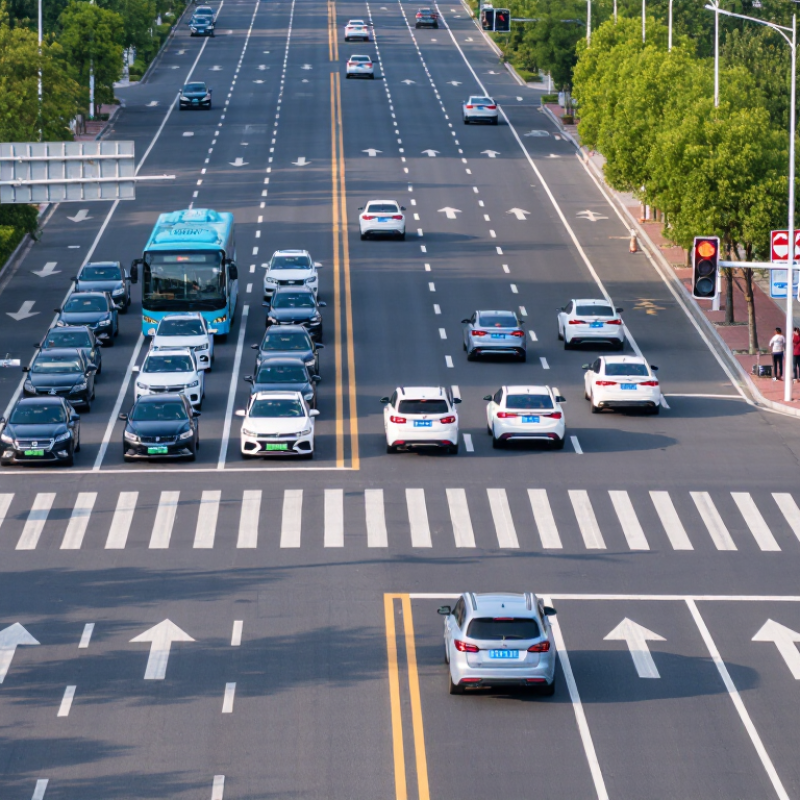
Traffic signals and road signs create a shared language for pedestrians, cyclists, and drivers. A red light gives people time to cross safely, while a green signal organizes moving traffic. Clear signs also show speed limits, crossings, lane directions, and possible hazards before they appear. These details matter most near schools, busy intersections, and narrow roads.

Pedestrians need visible crossings and enough time to judge approaching vehicles. Cyclists depend on signs that explain bike lanes, turning rules, and changing road space.

Drivers use signals to anticipate movement instead of reacting suddenly. In my experience, slowing down near a crowded crossing prevents small mistakes from becoming serious collisions.

However, signs can fade, lights can malfunction, or weather can hide important symbols. Road users still need careful judgment. No system is perfect.

Tips: Look well ahead, not only at the vehicle in front. Make eye contact when possible, but do not assume it guarantees safety. Cyclists should use lights in poor visibility and check blind spots before turning. Pedestrians can pause at the curb and watch both directions. Drivers should reduce speed near crossings, even when the signal appears favorable. When a sign seems unclear, wait, observe other road users, and choose the safer action. Small delays are acceptable. Safety deserves them.

What Can Happen When Traffic Rules Are Ignored

Why Are Traffic Signals and Road Signs Important?

What Can Happen When Traffic Rules Are Ignored

Traffic signals and road signs create shared expectations for everyone using a road. A red light tells drivers to stop, while a warning sign prepares them for danger ahead. When people ignore these instructions, ordinary journeys can change within seconds. A driver may enter an intersection too quickly and miss a cyclist crossing from the side. A pedestrian may step forward after trusting a signal that another road user disregards.

The results are not limited to crashes. Sudden braking can cause rear-end collisions, damaged vehicles, and painful injuries. One careless turn can block an ambulance route or leave children frightened near a school entrance. Safety researchers and emergency responders repeatedly emphasize predictable behavior because it gives people time to react. Clear signs also help visitors, older adults, and people with limited mobility navigate unfamiliar streets.

I once underestimated a temporary road sign during heavy rain. The narrowed lane appeared later than expected, and my delayed response made the driver behind me brake sharply. Nothing serious happened, but it exposed a weakness in my attention. Signs can be easy to overlook when roads are busy, visibility is poor, or someone feels impatient. Still, a few extra seconds of observation can protect strangers who never know how close the danger was. Rules are not always convenient. They are shared safeguards.

Why Are Traffic Signals and Road Signs Important? - What Can Happen When Traffic Rules Are Ignored

Traffic Control Required Driver Action Rule Commonly Ignored Immediate Risk Possible Consequence Safety Benefit
Red traffic signal Stop before the marked line, crosswalk, or intersection. Driving through after the signal has turned red. A vehicle enters the path of traffic with a green signal. Right-angle collision, serious injury, vehicle damage, and legal penalties. Separates conflicting traffic movements and creates predictable crossing times.
Yellow or amber signal Prepare to stop and stop when this can be done safely; do not accelerate to beat the signal. Speeding up or stopping abruptly without considering traffic behind. Late braking, entering on red, or a rear-end collision. Crashes in the intersection, loss of control, or blocked traffic lanes. Provides a transition between movement and stopping when drivers respond correctly.
Green traffic signal Proceed only after checking that the intersection and crossing area are clear. Assuming a green light guarantees a clear path. Collision with a vehicle, cyclist, or pedestrian still clearing the intersection. Side-impact crash, injury to vulnerable road users, or intersection gridlock. Allows controlled movement while still requiring observation and caution.
Stop sign Make a complete stop at the stop line, crosswalk, or before entering the intersection. Rolling through without fully stopping. Limited visibility and insufficient time to detect cross traffic. Intersection collision, failure-to-yield violation, and injuries. Creates a clear decision point where drivers must check for other road users.
Yield sign Slow down, give priority to conflicting traffic, and stop if necessary. Entering without checking or assuming other road users will brake. Forced braking, sudden lane changes, or a merging collision. Side-swipe, rear-end, or side-impact crash. Organizes priority at junctions and reduces conflicting movements.
Speed-limit sign Keep speed at or below the posted limit and adjust for weather, visibility, and traffic. Driving faster because the road appears empty or familiar. Longer stopping distance and less time to react to hazards. More severe injuries, loss of control, and greater crash damage. Matches travel speed to road design, visibility, traffic, and surrounding activity.
Pedestrian crossing sign or marking Slow down, scan both sides, and yield to pedestrians where required. Failing to look for pedestrians or overtaking a vehicle stopped at a crossing. A pedestrian may be hidden from view or exposed to moving traffic. Pedestrian injury or fatality, especially for children and older adults. Warns drivers to expect people crossing and supports safer shared road use.
Railroad crossing warning Stop when lights, gates, or other warnings are active; never drive around a lowered gate. Ignoring flashing lights, bells, gates, or the requirement to stop. A vehicle occupies the tracks while a train approaches. Extremely severe or fatal collision because trains require a long distance to stop. Provides advance warning of a high-energy conflict that road users cannot safely outrun.
Road-works or lane-closure sign Reduce speed, follow temporary markings, and merge as directed. Maintaining speed or ignoring temporary lane arrangements. Sudden braking, unsafe merging, or striking workers and equipment. Work-zone crash, worker injury, vehicle damage, and traffic delays. Alerts road users to changing conditions and protects workers in temporary work areas.
Rail or bus-only lane sign Use the lane only when permitted and follow the stated operating times. Entering restricted lanes or stopping in transit lanes. Conflicts with buses, trams, cyclists, or vehicles changing lanes. Collision, traffic obstruction, delayed emergency response, or a fine. Keeps designated transport movements clear and reduces unexpected lane conflicts.
Do-not-enter or one-way sign Do not enter the restricted roadway; travel only in the indicated direction. Driving against traffic or entering an exit-only road. Head-on conflict with vehicles traveling legally in the opposite direction. High-severity collision, property damage, and emergency traffic disruption. Prevents opposing traffic flows from occupying the same lane.