Road Safety equipment includes the devices and materials used to guide traffic, alert people to hazards, and reduce the severity of collisions. It can be found on busy urban streets, rural roads, work zones, and private sites. Examples include reflective signs, road markings, traffic cones, barriers, warning lights, and speed-control features. Some equipment supports drivers; other items help protect pedestrians, cyclists, road workers, and emergency crews.
Visibility matters. A reflective sign can catch a driver’s headlights after dark, while a clearly placed cone can mark a temporary obstruction. The right choice depends on the location, traffic speed, weather, and the people using the route. Equipment also needs regular inspection. Faded markings, damaged barriers, or lights obscured by dirt may not perform as intended. Small details count.
This guide explains what Road Safety equipment is, what common types do, and how they contribute to safer travel. It also considers practical questions, such as where equipment is used and what to check during routine maintenance. No single device can prevent every crash. Even well-designed equipment may be overlooked, poorly positioned, or unsuitable for a particular setting. That limitation deserves attention. Understanding both the benefits and the gaps can help readers make informed choices and recognize why consistent upkeep matters.
Road safety equipment includes devices and materials used to guide road users, improve visibility, and reduce the risk or severity of crashes. Its scope is broader than signs alone. It can include traffic signals, road markings, reflective markers, barriers, speed-control devices, and temporary warning systems near maintenance work. Some items are fixed in place; others are carried or deployed when conditions change.
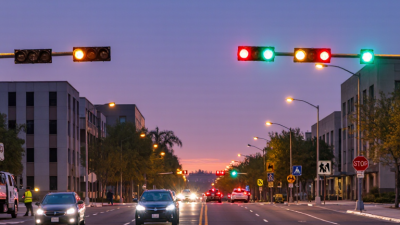
A driver may notice a reflective sign before reaching a sharp bend, while a pedestrian relies on a marked crossing and clear sightlines. At night, retroreflective materials return light toward its source, helping signs and lane markings stand out in vehicle headlights. Barriers can separate moving traffic from workers or pedestrians, but they must suit the location and expected impact conditions. That distinction matters. One device cannot solve every hazard.
The scope also includes inspection, placement, and upkeep, because damaged or obscured equipment may be difficult to see when it matters most. Teams assess traffic speed, road layout, weather exposure, and the people using the route before selecting suitable measures. A temporary sign placed too late may give drivers little time to respond. Definitions can vary between projects, and the boundary between equipment and wider road infrastructure is not always neat. The practical test is whether a device gives road users useful information or protection in a specific situation.
Road safety equipment includes tools that guide traffic, protect people, and make hazards easier to see. Its main categories include signs, channelizing devices, barriers, protective clothing, and lighting. Signs communicate warnings or directions; cones and delineators mark temporary routes. Barriers help separate vehicles from work areas or pedestrians. Visibility matters. High-visibility clothing helps drivers notice workers, especially near dusk or in rain.
These items serve different purposes. They are not interchangeable.
Lighting and traffic-control devices support safe movement where visibility or traffic flow changes. Portable lamps can illuminate a work area, while temporary signals can guide vehicles through a narrow section. On a wet road, a cone’s reflective band may be harder to spot if mud covers it.
Small details count.
It is easy to assume that placing equipment is enough; that assumption deserves a second look. Teams should check that signs face approaching traffic and that barriers remain stable. A bent sign or dim lamp can weaken an otherwise careful setup. Equipment works best when its type, placement, and condition match the site.
Road safety equipment protects people by making hazards easier to see, understand, and avoid. A reflective sign can warn drivers before a sharp bend. Cones and delineators guide vehicles around work areas. At night, reflective surfaces return headlight beams toward drivers. Small details matter.
Barriers and guardrails separate traffic from pedestrians, workers, and roadside hazards. Crash cushions can absorb some impact energy when vehicles strike fixed objects. High-visibility clothing helps workers stand out against dark pavement and passing headlights. These devices cannot prevent every collision, but they can reduce confusion and limit the consequences of mistakes.
Protection depends on correct placement and regular upkeep. A faded sign, fallen cone, or lamp hidden by a tree may give little warning. Equipment should suit the road, speed, weather, and people using the space. A rural curve needs different cues from a busy city crossing. It is tempting to treat equipment as a complete solution, but that assumption deserves scrutiny: drivers may miss signals, and pedestrians may face blocked sightlines. Regular inspections and clear layouts help safety measures work as intended.
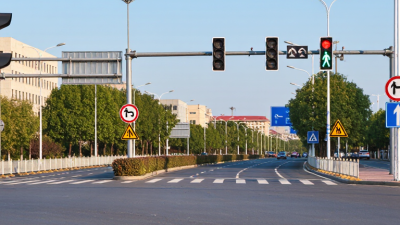
Road safety equipment changes with the risks and movements of each location. At intersections, signal heads, stop signs, high-visibility crosswalks, and pedestrian refuge islands help guide turning traffic and people crossing. The World Health Organization’s 2023 road-safety report estimated 1.19 million road deaths worldwide in 2021. Clear cues matter. Faded markings can disappear in rain, while a signal partly hidden by a tree may be easy to miss.
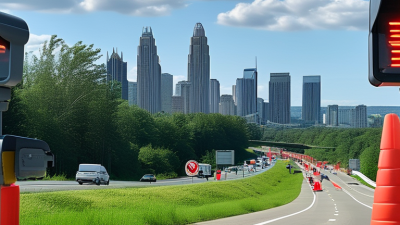
At roadworks, cones and channelizing drums create temporary paths, while barriers can separate traffic from crews. Advance-warning signs and arrow boards alert approaching drivers; portable signals can manage alternating traffic on narrow lanes. The Federal Highway Administration recorded 891 work-zone traffic fatalities in 2022. That figure underscores why equipment needs suitable spacing, maintenance, and visibility—not just installation.
On faster roads, guardrails and crash cushions are positioned near selected hazards to redirect or absorb impact. Reflective delineators mark curves and lane edges. Around schools and transit stops, flashing beacons, accessible crossings, curb ramps, and tactile paving support slower, more predictable movement. Placement matters. A sign hidden behind a parked truck is present, but not useful. Equipment also needs inspection after storms and construction changes, a routine detail that is easy to overlook.
Road safety equipment must suit the road, not just the store cupboard. Before selecting signs, cones, barriers, or warning lights, assess traffic speed, sight distance, weather, lighting, and how long crews will be exposed. The Federal Highway Administration reported 891 work-zone fatalities in 2022 in its Work Zone Facts and Statistics. That figure makes clear why visible, correctly placed equipment matters. Use the current Manual on Uniform Traffic Control Devices for traffic-control layouts, and select high-visibility garments that fit the task and visibility conditions, following ANSI/ISEA 107-2020.
Check equipment before each shift and again after vehicle impacts, storms, or layout changes. Look for cracked cone bases, faded reflective surfaces, loose barrier connections, dead batteries, and signs hidden by parked vehicles. Small faults matter. Record defects, remove damaged items from service, and replace them before the work area opens. Clean reflective materials with suitable methods; harsh chemicals or abrasive scrubbing can reduce their effectiveness.
A checklist can become a tick-box exercise if nobody follows up. Name a person to document checks and confirm repairs, while keeping spare lights, cones, and fasteners nearby. FHWA’s fatality data does not identify which equipment failed in individual crashes, so it should not be treated as proof that one device prevents deaths. Still, crews can learn from near misses and inspection records, then adjust placement when drivers approach too quickly or workers remain difficult to see.
| Equipment | Purpose | Selection Considerations | Inspection Checks | Maintenance and Replacement | Typical Check Timing |
|---|---|---|---|---|---|
| Traffic signs | Give drivers advance warning, instructions, and information about changed road conditions. | Select the sign type, size, placement, and visibility level required by the applicable road authority and traffic-control plan. Consider road speed, approach distance, sight lines, and daytime or nighttime use. | Check that the sign is correct, legible, upright, securely mounted, visible, and not blocked by vehicles, vegetation, or other equipment. | Clean dirty faces; tighten or replace loose supports. Replace signs that are damaged, faded, difficult to read, or no longer meet applicable requirements. | Before deployment, during each work shift, after severe weather or impact, and when conditions change. |
| Cones and channelizing devices | Guide road users around work areas and separate traffic from temporary hazards. | Choose the required height, color, stability, and reflective features for the road type, operating speed, visibility, and local standards. Use devices suitable for expected wind and traffic conditions. | Look for adequate visibility, secure bases, cracks, deformation, missing reflective material, and correct spacing and alignment. | Clean reflective surfaces and reposition displaced devices. Remove units that are broken, unstable, or no longer sufficiently visible. | Before setup, periodically during the shift, and after wind, vehicle contact, or other disturbance. |
| Barricades and temporary barriers | Close or restrict access to hazards and help define temporary work-zone boundaries. | Match the device to the hazard and required level of separation. Select for the intended placement, stability, visibility, and any impact-protection requirement specified by the traffic-control plan. | Check position, stability, connections, reflective panels, and any signs or warning lights. Confirm that the device does not create an unplanned obstruction. | Re-secure or realign shifted units. Repair or replace cracked, damaged, or incomplete components; use impact-protective systems only as approved for the installation. | At installation, at shift checks, and after impact, movement, or severe weather. |
| Delineators and channelizing panels | Make temporary traffic paths and changes in alignment easier to follow. | Choose a format and reflective treatment suitable for the road geometry, traffic speed, available sight distance, and applicable local requirements. | Verify correct direction and placement; check reflectors or panels for dirt, damage, fading, and obstruction. | Clean reflective surfaces and replace missing, damaged, or poorly visible components. Restore displaced units to the approved layout. | Before opening the traffic pattern and during routine work-zone checks, especially at night. |
| High-visibility garments | Help make workers visible to drivers and equipment operators. | Select garments that meet the applicable workplace and road-work requirements. Consider the task, background, daylight or nighttime conditions, weather, and compatibility with other protective clothing. | Check that garments are worn correctly and that fluorescent and retroreflective areas are clean, intact, and not hidden by other clothing or equipment. | Follow the garment care instructions. Replace garments when reflective material is damaged, visibility has deteriorated, or fit and coverage are no longer adequate. | Before each use; clean and inspect as needed during regular laundering. |
| Warning lights and portable lighting | Improve awareness of work-zone hazards and support visibility in low-light conditions. | Choose lights suitable for the task, placement, ambient conditions, and applicable traffic-control requirements. Position them to warn road users without creating unnecessary glare. | Test operation, lens condition, mounting, power supply, and visibility from the intended approach. Check that lighting does not distract or obscure signs. | Clean lenses, charge or replace batteries, secure mounts, and replace units that fail, flicker, or have damaged wiring or housings. | Before use and at the start of each shift; recheck during operation and after movement or weather exposure. |
| Temporary pavement markings and raised markers | Communicate lane lines and road alignment when permanent markings are covered, removed, or changed. | Use the color, pattern, material, and placement specified by the approved traffic-control plan and applicable road authority requirements. | Check continuity, correct alignment, adhesion, reflectivity, and whether old or conflicting markings could mislead drivers. | Remove or cover misleading markings as required. Replace missing or poorly visible temporary markings and markers using approved materials and methods. | After installation, during routine work-zone checks, and after resurfacing, weather, or traffic damage. |
| Flagging devices and communication equipment | Support safe traffic control where workers direct road users through or around a work area. | Select devices and communications appropriate to the approved traffic-control procedure, site visibility, distance between control points, and expected traffic conditions. | Check device condition, visibility, and function. Test radios or other communication equipment and confirm that workers understand the traffic-control procedure. | Replace damaged or poorly visible devices. Charge communication equipment, maintain spare power where needed, and report communication failures before continuing the operation. | Before traffic control begins and whenever workers, positions, or site conditions change. |
Check timings in this table are general good-practice guidance, not universal legal intervals. Follow the approved traffic-control plan, applicable laws and road-authority standards, and equipment instructions. Inspect equipment immediately after any suspected impact, failure, or unsafe change in conditions.