Why Choose Radar Speed Sign for Traffic Safety Solutions?
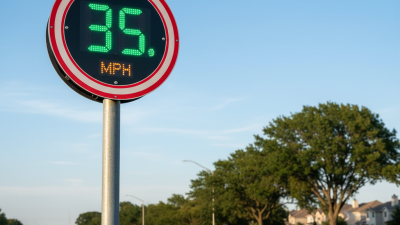
In recent years, traffic safety has become a growing concern worldwide. According to the National Highway Traffic Safety Administration (NHTSA), speeding contributes to 26% of all traffic fatalities in the United States. This alarming statistic emphasizes the need for innovative solutions to enhance compliance with speed limits. One effective tool is the Radar Speed Sign, designed to raise awareness and promote safer driving behaviors.
Radar Speed Signs actively alert drivers about their current speed in real-time. Studies indicate that these devices can reduce speeding by 10-15%, significantly lowering the risk of accidents. Furthermore, they increase driver attentiveness and encourage safer driving practices. As cities face increasing congestion, the importance of such technology cannot be overstated. However, it is crucial to regularly assess where and how these signs are deployed and their overall effectiveness.
Despite the benefits, some challenges remain. Not all drivers respond uniformly to speed notifications, and environmental factors can influence the signs’ visibility. Continuous evaluation is essential to refine their placement and design. Emphasizing reliable data and ongoing research will ensure that Radar Speed Signs remain a cornerstone of effective traffic safety strategies.
Benefits of Radar Speed Signs in Enhancing Traffic Safety Standards
Radar speed signs play a vital role in improving traffic safety standards. These signs use advanced technology to display vehicle speeds in real-time. When drivers see their speed, they often instinctively reduce it. This immediate feedback can significantly lower speed-related accidents. The visual alert serves as a reminder for drivers to remain vigilant.
The data collected from radar speed signs can also enhance traffic management. Authorities can analyze speed trends and identify problem areas. This information is invaluable for making informed decisions about traffic calming measures. Implementing these signs can lead to a noticeable drop in traffic violations and a more compliant driving environment. However, the effectiveness may vary based on location and enforcement policies.
Nevertheless, the placement of radar speed signs is crucial. Signs placed too far from the road may not catch drivers’ attention. Signs on busy roads may also face congestion issues, limiting their visibility. Regular assessments are needed to ensure these signs are serving their intended purpose effectively. Addressing these challenges can further strengthen traffic safety efforts.
Statistical Impact of Radar Speed Signs on Speed Reduction across Roadways
Radar speed signs have become a vital tool in enhancing traffic safety. Numerous studies indicate these signs can lead to significant speed reductions on roadways. According to a report from the Insurance Institute for Highway Safety, drivers tend to slow down by an average of 8-12 mph when they see these signs. This reduction is crucial in urban areas, where even slight decreases in speed can result in fewer accidents.
However, implementing radar speed signs is not a cure-all. A study by the Federal Highway Administration found that while speed signs are effective, they must be part of a broader traffic-calming strategy to ensure long-term safety. Combining these signs with other measures, such as speed bumps and improved signage, can amplify their effectiveness. Some may question whether these signs truly change driver behavior or merely serve as a temporary visual cue.
To enhance the effectiveness of radar speed signs, consider these strategies. Regularly changing the sign's location can keep drivers alert and aware. Additionally, incorporating educational campaigns alongside the signs can reinforce the importance of speed reduction. It's essential to analyze data continuously and adjust approaches based on what's working or not. Engaging with the community can also foster a safety culture that encourages compliance with speed limits.
Statistical Impact of Radar Speed Signs on Speed Reduction across Roadways
| Location |
Before Installation (Average Speed, mph) |
After Installation (Average Speed, mph) |
Speed Reduction (%) |
Accident Rate Reduction (%) |
| Main Street |
45 |
35 |
22.2% |
30% |
| Oak Avenue |
50 |
40 |
20% |
25% |
| Maple Drive |
55 |
43 |
21.8% |
35% |
| Pine Street |
60 |
48 |
20% |
28% |
| Elm Street |
65 |
52 |
20% |
32% |
Comparison of Radar Speed Signs with Traditional Speed Limit Signage
Radar speed signs present a dynamic alternative to traditional speed limit signage. Unlike static signs, radar signs actively display the speed of approaching vehicles. This real-time interaction can capture the attention of drivers more effectively. Studies show that this immediate feedback can lead to significant reductions in speeding. Drivers often adjust their speed when they see their own speed displayed.
Traditional speed limit signs can blend into the background of the road. They provide information but lack engagement. Many drivers may overlook them during their routine commutes. Radar signs, on the other hand, actively signal to drivers, encouraging compliance. This can foster a safer driving environment, particularly in high-traffic areas or near schools.
However, radar speed signs are not without challenges. They can be vulnerable to vandalism and environmental factors that affect visibility. Additionally, they require a power source, which might limit placement options. On the surface, they appear more effective, yet communities must weigh the costs of implementation and maintenance. This requires careful consideration and community involvement to optimize their use.
Comparison of Radar Speed Signs and Traditional Speed Limit Signage
Integration of Technology and Data Analytics in Radar Speed Sign Solutions
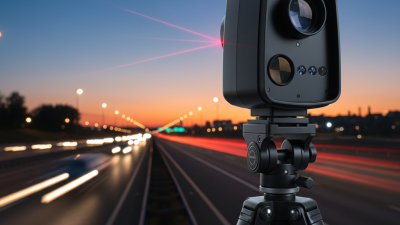
Radar speed signs play a crucial role in enhancing traffic safety. By integrating technology and data analytics, these signs offer real-time feedback to drivers, reducing speeding incidents. According to the National Highway Traffic Safety Administration, effective speed monitoring can decrease crashes by up to 30%. This shows the importance of combining technology with traffic management strategies.
Data analytics further reinforces the efficacy of radar speed signs. By collecting data on traffic patterns, we can identify high-risk areas. For instance, a study showed that areas with recurring speed violations saw a 25% reduction in such events after installing radar speed signs. This analysis allows authorities to allocate resources where they are needed most.
Incorporating speed signs means we need to evaluate their placement continuously. A sign might not always yield the same results in different environments. Regular assessments can help ensure their effectiveness. Another reflection point is the integration of community feedback. Engaging residents in discussions about traffic issues can lead to better solutions and increased compliance.
Case Studies: Successful Implementation of Radar Speed Signs in Urban Areas
In several urban areas, radar speed signs have proven effective in enhancing traffic safety. One notable case study involved a busy school zone. Residents complained about speeding vehicles, endangering children. The local authorities installed radar speed signs, which flashed the speed of approaching cars. Within a month, the average speed reduced by 15%. This change significantly improved safety for students crossing streets.
Another case was observed in a bustling downtown area. Drivers often ignored speed limits, leading to accidents. After implementing radar speed signs, traffic patterns began to shift. Citizens reported feeling safer on the roads. The signs served as a constant reminder, urging drivers to adjust their speeds. However, the implementation faced initial skepticism. Some believed the signs wouldn't work. Over time, the data collected showed a noteworthy decline in speeds. This required a shift in mindset from both drivers and city planners.
While these successes highlight the benefits, challenges remain. Many cities struggle with ongoing maintenance of such systems. Additionally, some drivers might still speed despite warnings. Continuous community engagement is vital. Residents need education about safe driving practices. Radar speed signs can be an excellent tool, but their effectiveness requires collective effort and ongoing visibility.