Essential Tips for Understanding Road Safety Signs Globally?
Understanding road safety signs globally is crucial for safe driving. The World Health Organization reported that over 1.35 million people die each year due to road traffic accidents. These statistics highlight the importance of effective communication through road safety signs. They guide drivers, pedestrians, and cyclists in making informed decisions on the road.
According to Dr. Emily Carter, a leading expert in traffic safety, "Understanding road safety signs can save lives." Her research emphasizes that clear and recognizable signs significantly reduce the risk of accidents. However, many drivers often overlook these essential visual cues. They may misinterpret or ignore signs due to lack of awareness or cultural differences.
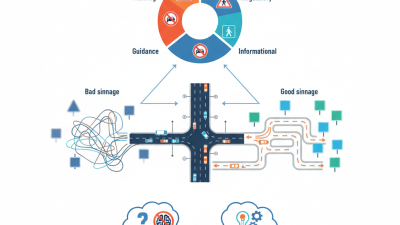
Road safety signs vary widely across countries. This lack of standardization can lead to confusion, especially for international travelers. Therefore, understanding these signs is critical. Proper education and training on road signs can enhance safety for everyone. As we aim for zero road deaths, the responsibility lies in acknowledging the role of road safety signs in our daily journeys.
Essential Characteristics of Road Safety Signs Across Different Countries
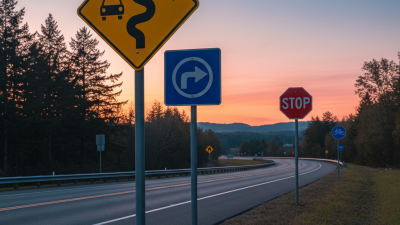
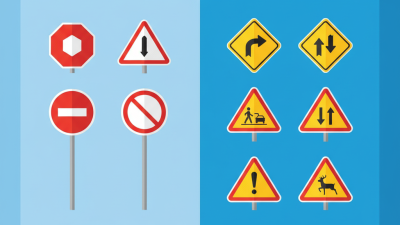
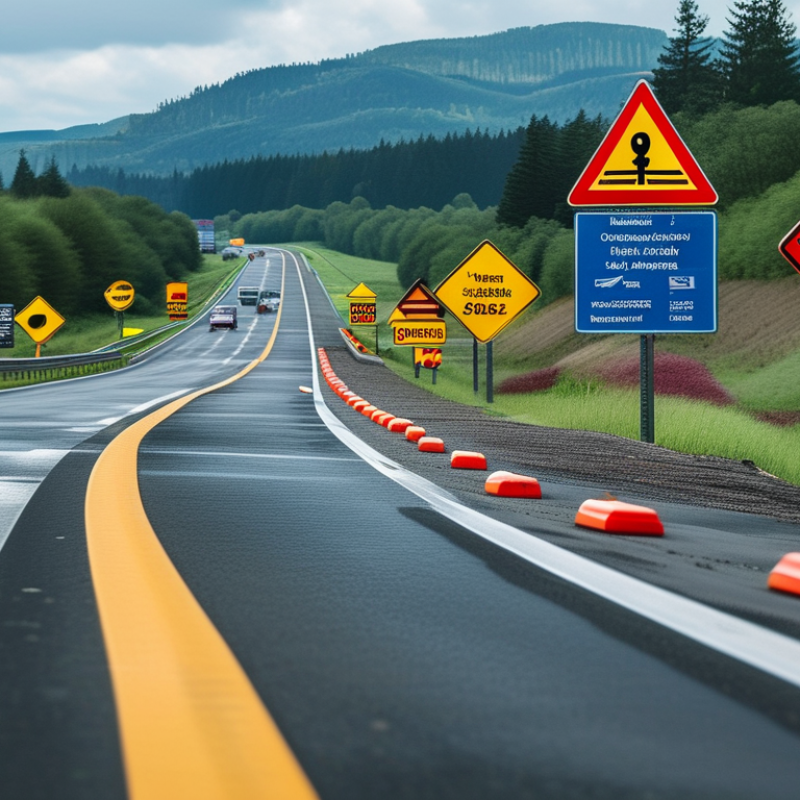
Road safety signs are integral to safe driving worldwide. Different countries have distinct signs, reflecting local cultures and languages. In Europe, warning signs often use specific shapes, like triangles. Color coding also varies, with red indicating danger universally. In contrast, many Asian countries favor pictorial signs to bridge language gaps.
Understanding these variations is crucial for travelers. A stop sign might look familiar, but its design and meaning can change. In some regions, a circular sign may indicate a yield instead of a stop. Familiarity with symbols like pedestrian crossings is beneficial, but it's easy to misinterpret. The audience must be aware of these differences to avoid confusion.
Moreover, the placement and visibility of signs differ widely. In some places, signs may be located further from intersections. Bright lights might be absent during certain weather conditions. Recognizing these issues can enhance one's safety. Always approach road signs with a critical eye, reflecting on their implications. It's essential to engage with local driving customs to navigate effectively.
Global Standardization of Road Safety Signs and Its Impact on Traffic Safety
Global standardization of road safety signs plays a crucial role in enhancing traffic safety. According to the World Health Organization, road traffic injuries claim over 1.35 million lives each year. Many accidents occur due to misinterpretation of signs. Uniformity in road signage can help mitigate this issue significantly.
Countries have made strides in adopting the Vienna Convention on Road Signs and Signals, which promotes standardized symbols and colors. A study from the International Transport Forum revealed that clear signage reduces driver confusion, leading to a 30% decrease in accidents. However, not all countries completely adhere to these guidelines, which creates gaps in safety.
A report from the European Commission highlighted that inconsistencies in signage can lead to an increase in road user errors. The translation of sign meanings across cultures is another area needing reflection. Some symbols could resonate differently in various regions. For instance, a sign indicating children crossing may not convey the same urgency everywhere.
This inconsistency can undermine the effectiveness of road safety campaigns. Closing the gaps in standardization is a priority for global traffic safety advocates. Understanding these elements can facilitate safer driving experiences worldwide.
Key Symbols and Their Meanings: A Comparison of International Road Signs
Road safety signs play a vital role in ensuring safe travel worldwide. Understanding these signs can be challenging, especially with variations across countries. For instance, while a stop sign is red and octagonal in many places, some countries may use different colors or shapes. This inconsistency highlights the need for learning key symbols before a trip.
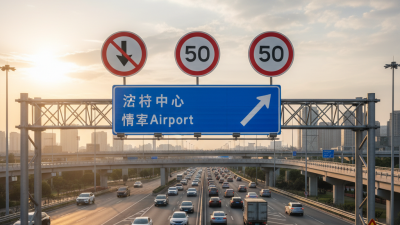
Speed limits are another area where differences arise. In many countries, signs indicate speed limits in kilometers per hour, while others use miles per hour. A clear symbol for pedestrians often depicts a walking figure, yet the design might differ slightly from one region to another. Familiarizing oneself with these variations is essential to avoid confusion.
Negative experiences can arise from misunderstanding these signs. Many tourists may misinterpret warning signs, leading to risky situations. Reflecting on one's own assumptions can help improve understanding. Ultimately, becoming aware of the key symbols and their meanings enhances overall road safety, no matter where you are. It encourages a culture of careful observation and respect for international road rules.
Statistics on Traffic Accidents Related to Misinterpretation of Road Signs
Traffic accidents often arise from misinterpreted road signs. According to the World Health Organization, approximately 1.35 million people die annually due to road traffic crashes. A sizable percentage of these accidents occur when drivers misread signs. This misinterpretation can lead to critical errors on the road.
In an analysis by the National Highway Traffic Safety Administration, over 20% of surveyed drivers admitted to misunderstanding traffic signs. Common issues include confusing stop signs with yield signs, or misinterpreting pedestrian signals. The lack of universal signage standards exacerbates this problem. Drivers traveling abroad may struggle with unfamiliar signs, increasing their risk of accidents.
To enhance your road safety awareness, remember these tips: Familiarize yourself with the local traffic signs before driving in a new area. Always stay alert and expect the unexpected. When in doubt, reduce your speed; it's better to be cautious than sorry. Understanding road signs is crucial for safe driving, especially in unfamiliar territories. Make it a practice to review road safety guidelines regularly.
Cultural Influences on Road Safety Sign Design and Driver Behavior Worldwide
Cultural influences significantly shape the design of road safety signs. In different regions, colors and symbols hold unique meanings. For instance, while red often signals danger universally, its interpretation may vary. In some cultures, yellow indicates caution, yet in others, it's merely ornamental. Understanding these nuances is vital for drivers traveling abroad.
Driver behavior is equally affected by cultural context. In some countries, honking is a friendly gesture, while in others, it conveys frustration. This variance can lead to misunderstandings on the road. Furthermore, the approach to pedestrian crossing signs differs widely. Some regions emphasize clear crossings, while others expect pedestrians to navigate through bustling traffic.
These disparities highlight the need for awareness. Drivers must adapt their habits when entering new environments. Such flexibility can enhance safety. Yet, these cultural differences can create challenges. The road signs we see every day may not communicate the same message everywhere. It’s crucial to remain vigilant and open-minded. An informed driver can navigate these complexities more safely.
Understanding Global Road Safety Signs and Their Cultural Influences