How to Choose the Best Road Safety Sign for Your Needs?
Selecting the right Road Safety Sign is crucial for ensuring safety on our roads. According to a report by the National Highway Traffic Safety Administration, effective signage can reduce accidents by up to 30%. This highlights the importance of choosing the appropriate signs tailored to specific environments and situations.
Expert Sarah Thompson, a road safety analyst, states, “The right Road Safety Sign can make a significant difference in preventing accidents.” Her insights reflect the industry's consensus on the necessity of proper signage. Road Safety Signs are not just mere indicators; they serve as critical tools for communication with drivers.
Choosing a sign often involves dimensions, colors, and designs that may not seem impactful but carry substantial weight in real-world applications. Dismissing these details may lead to ineffective safety measures. Therefore, it's essential to evaluate your needs and the specific context when selecting a Road Safety Sign. The right choice can enhance commuter awareness and significantly lower the risk of incidents.
Understanding the Importance of Road Safety Signs
Road safety signs play a crucial role in preventing accidents and ensuring smooth traffic flow. According to the National Highway Traffic Safety Administration (NHTSA), road signs can reduce crash rates by up to 30%. They convey essential information, warning drivers about potential hazards and guiding them to follow regulations. Without proper signage, confusion can lead to dangerous situations on the road.
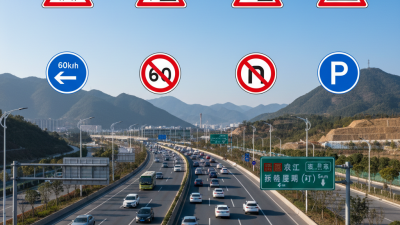
When choosing a road safety sign, consider its visibility and placement. Signs should be easily seen and understood by all road users. Studies show that reflective materials can enhance visibility at night, reducing the risk of accidents. Ensure the sign's messages are clear and concise, avoiding complicated language that may confuse drivers.
Tips for selecting signs:
- Assess the environment. Busy intersections require more prominent signs.
- Prioritize high-traffic areas. This enables signs to reach a larger audience effectively.
- Consult local traffic regulations for specific requirements.
While many signs are standardized, ongoing evaluation is necessary. Some signs may not resonate with certain drivers. An effective sign should reflect the needs of the area and adapt over time. Addressing these considerations can lead to better outcomes for road safety.
Identifying Your Specific Road Safety Needs
Identifying specific road safety needs is essential for setting up an effective traffic management system. According to the National Highway Traffic Safety Administration (NHTSA), 94% of serious crashes are caused by human error. This statistic highlights the importance of targeted road safety signs that address common driver mistakes. Identifying the problem areas in your locality can help you choose signs that are most relevant to your community's needs.
For instance, if a location has a history of speeding incidents, consider installing speed limit signs or speed bumps to deter reckless driving. In urban areas, pedestrian safety signs such as crosswalk signals are crucial. The Federal Highway Administration suggests that using the right safety signs can reduce the likelihood of accidents by up to 30%. When assessing your needs, collect data on previous accidents or near misses in specific areas. Local police reports and community feedback can provide valuable insights into ongoing safety challenges.
However, misunderstanding community needs is possible. It’s essential to evaluate all feedback, even contradictory opinions. Community engagement is key, as some residents may prioritize different safety aspects. Always weigh these views against hard data to ensure a balanced approach. Making informed decisions about road safety signs can effectively reduce accidents and improve overall public safety.
Types of Road Safety Signs and Their Uses
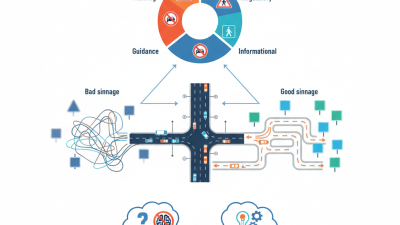
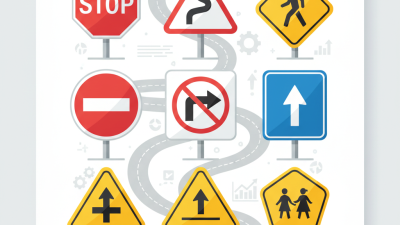
When choosing road safety signs, it's essential to understand their types and uses. Traffic signs regulate vehicle movements, enhance safety, and improve communication with drivers. According to a recent report from the National Highway Traffic Safety Administration, proper signage can reduce accidents by 30%. This statistic underscores the importance of selecting the right sign for your environment.
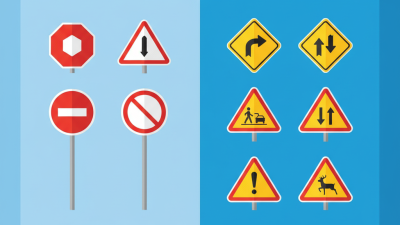
Warning signs, such as curve alerts and pedestrian crossings, inform drivers of potential hazards. They are often yellow or orange, making them stand out. Regulatory signs, including speed limits and no parking zones, set rules that drivers must obey. A study by the American Association of State Highway and Transportation Officials found that clear regulatory signage reduces violations by over 25%.
While it's easy to overlook, consider the placement of signs. Poor visibility or cluttered environments can render even the best signs ineffective. Evaluate the local context before installation. Not all signs fit every location, and adaptability is crucial. By understanding the characteristics and functions of each type, you can ensure better safety on the roads.
Factors to Consider When Choosing Road Safety Signs
When selecting road safety signs, several key factors warrant careful consideration.
Visibility is crucial; signs should be clearly visible from a distance.
According to a study by the Federal Highway Administration, over 50% of traffic accidents occur in low-light conditions.
The right materials can enhance visibility. Reflective materials are essential for nighttime visibility, ensuring that signs catch the attention of drivers.
Durability is another significant factor. Road signs must withstand harsh weather conditions.
Materials like aluminum and high-density polyethylene are often recommended for their resilience.
Reports show that signs made from these materials last significantly longer than those made from cheaper alternatives.
Additionally, the legibility of text and symbols is vital.
Research indicates that simpler designs improve comprehension, especially for those driving at high speeds.
Lastly, local regulations play a vital role in sign selection. Different regions may have unique standards for sign size, color, and symbols.
Engaging an experienced professional can help ensure compliance with these regulations. Many users overlook this step, leading to legal issues and safety concerns.
Therefore, it's crucial to be informed about local guidelines when making your choice.
Best Practices for Installing and Maintaining Road Safety Signs
When installing road safety signs, adherence to best practices is crucial. A study by the Federal Highway Administration indicates that well-placed signs can reduce accidents by up to 50%. Proper visibility is vital. Signs should be positioned at a height and distance where drivers can easily read them. This often means placing them 5 to 7 feet above ground and at least 150 feet before the hazard they denote.
Maintaining road safety signs is an ongoing responsibility. Regular inspections are necessary to identify wear, fading, or obstructions. The Manual on Uniform Traffic Control Devices recommends routine checks at least twice a year. Moreover, the ongoing weather conditions can affect the durability of materials used in signs. Signs may need replacement more frequently in harsh climates. Reflective materials can enhance visibility, especially at night. However, these materials lose effectiveness over time, with some studies suggesting that visibility can diminish by 30% after seven years. The importance of using high-quality materials that conform to national standards cannot be overstated.
Implementing these best practices not only enhances safety but also assures compliance with regulations. Unexpected challenges often arise, necessitating a flexible approach to sign management. Community feedback is invaluable; it can highlight issues that standard procedures might overlook.