China Best Road Safety Sign Types Overview for Better Traffic Management?
In the realm of traffic management, Road Safety Signs play a critical role in ensuring safety on the roads. According to Dr. Liu Wei, a renowned transportation safety expert, “Effective signage can significantly reduce accidents.” This statement reflects the undeniable importance of quality road signage in urban planning and public safety.
Despite their significance, many areas still face challenges due to outdated or unclear signs. Inadequate signage can lead to confusion for drivers, pedestrians, and cyclists alike. Roads in both urban and rural environments often lack proper road safety signs, highlighting an urgent need for improvement. Communities must address these shortcomings to enhance overall traffic efficiency and safety.
The variety of road safety sign types affects how information is communicated. Understanding the best practices and modern designs can lead to better traffic management. Awareness and education about these signs are essential but often overlooked. Critics argue that the existing signs do not effectively convey necessary warnings. There is much room for reflection and progress in this vital area of public safety.
Overview of Road Safety Sign Types Used in China
Road safety signs play a crucial role in maintaining traffic order and enhancing safety on Chinese roads.
According to the Ministry of Public Security of China, traffic accidents are a leading cause of fatalities. In 2022, over 56,000 people lost their lives in traffic incidents.
The right signs can significantly reduce these numbers.
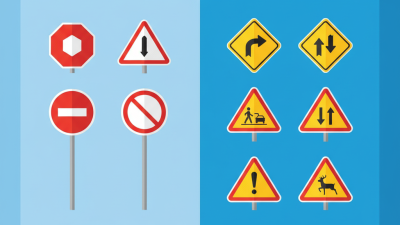
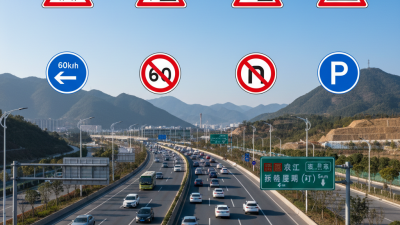
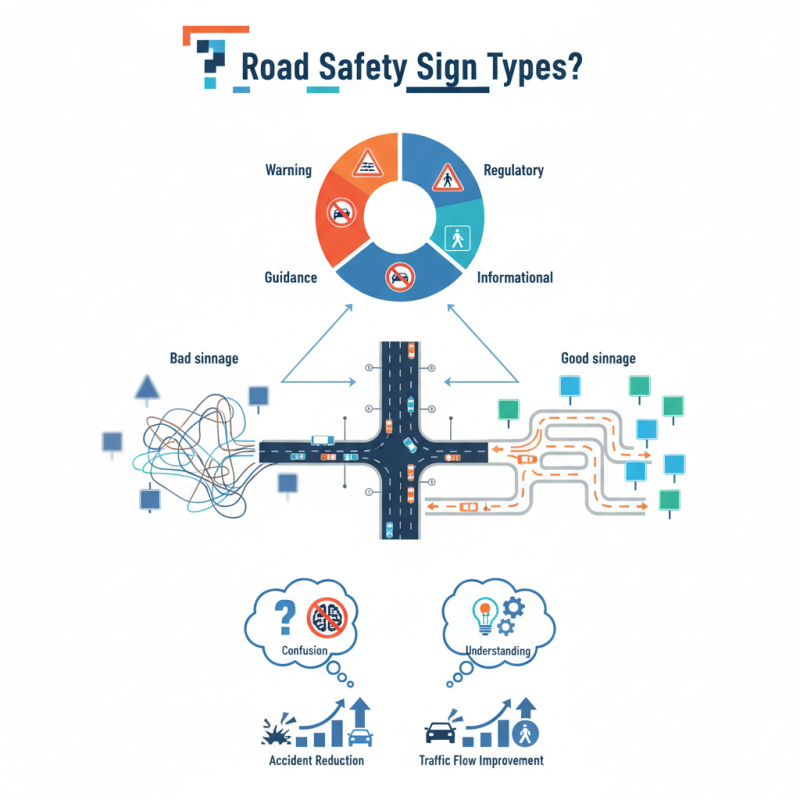
China employs various types of road safety signs, categorized into regulatory, warning, and informational signs.
Regulatory signs, such as speed limits and no-entry signs, inform drivers of laws they must obey.
Warning signs alert drivers to potential hazards, like sharp turns or pedestrian crossings.
Informational signs provide directions and indicate services.
A report by the Traffic Management Research Institute indicates that proper signage can decrease accident rates by up to 40%.
Despite these efforts, some areas lack adequate signage. In rural regions, many drivers face challenges due to missing or unclear signs.
This inconsistency can lead to confusion and accidents.
Ensuring that signs are visible and properly maintained is essential for effective traffic management.
More comprehensive training for local authorities could address these shortcomings and foster safer roads for everyone.
Importance of Standardization in Road Safety Signage
Standardization in road safety signage is crucial for effective traffic management. Consistent signs improve driver understanding and awareness. When all road users see similar signs, it creates a shared language on the road. This clarity can help prevent accidents and save lives. Standardized signage reduces confusion, especially in areas with heavy traffic. Drivers spend less time deciphering unfamiliar signs and can react more quickly.
Moreover, local variations in sign design can lead to serious misunderstandings. For example, a warning sign in one region may look different from another. Such discrepancies can cause misinterpretation. There's a need for uniform symbols, colors, and sizes. Implementing standardized regulations helps ensure that all signs communicate effectively. It's important to acknowledge that achieving full standardization can be a challenge. Different provinces may resist changes due to their unique traffic conditions or historical practices.
Regular reviews and updates of road signs are essential. This keeps them relevant and effective. Engaging local communities in discussions about signage can also provide valuable insights. Their feedback may highlight issues that experts overlook. Ultimately, a robust system of standardized road signage can lead to safer roads and reduce traffic-related mishaps.
Overview of Road Safety Sign Types in China
Key Features of Effective Traffic Management Signs
Traffic management signs play a crucial role in ensuring road safety. Effective signs convey essential information quickly and clearly. Key features include visibility, readability, and intuitiveness. Signs must stand out, using bright colors and reflective materials for night visibility. Large fonts help drivers read important messages from a distance.
Intuitive design is equally vital. Icons should be universally recognized. Symbols convey meanings faster than text, reducing confusion during high-traffic situations. Consistency in design enhances understanding. For example, directional arrows should align with the road layout. Even small details matter; misplaced signs can mislead drivers, creating potential hazards.
Moreover, ongoing reflection on effectiveness is necessary. Regular surveys and feedback help improve sign design and placement. Traffic patterns change, and age-old signs may not meet current needs. It's important to adapt and innovate. The goal is to minimize accidents and improve the overall safety experience for all road users.
Examples of Common Road Safety Signs in Urban Areas
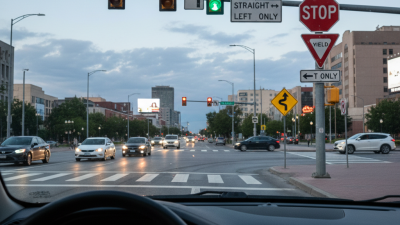
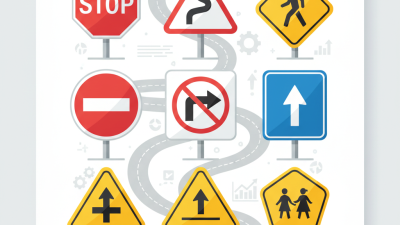
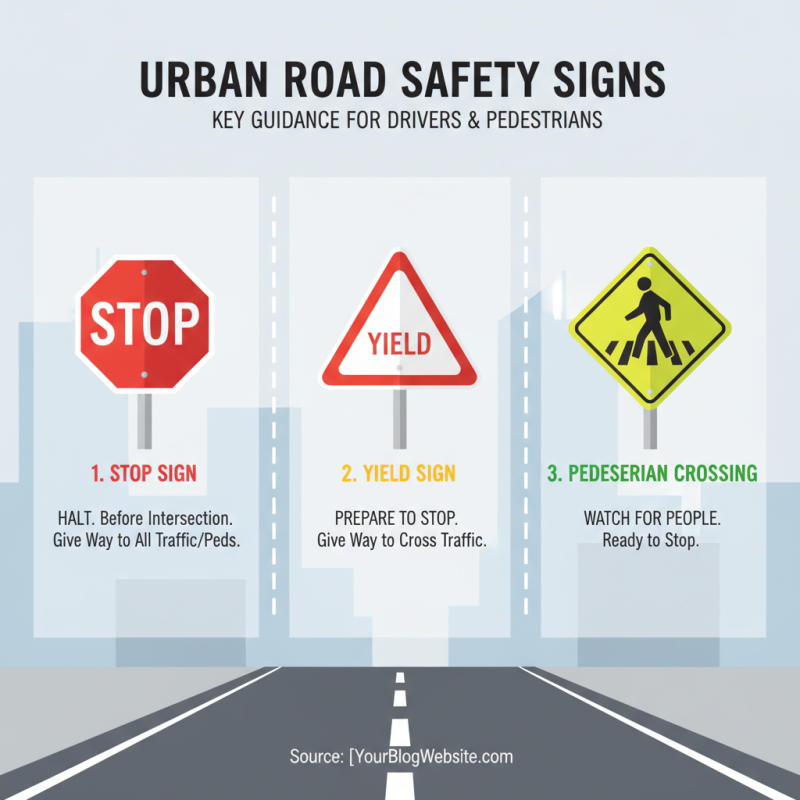
In urban areas, road safety signs play a crucial role in traffic management. These signs are designed to provide clear guidance and minimize confusion among drivers and pedestrians. Common types of safety signs include stop signs, yield signs, and pedestrian crossing indicators. Each sign has a specific purpose and design, making it easier for road users to understand their meaning.
Stop signs are typically octagonal and are placed at intersections. They require drivers to come to a complete halt. Yield signs, on the other hand, instruct drivers to give way to oncoming traffic. Pedestrian crossing signs often feature a distinct symbol of a walking figure, alerting drivers to the presence of pedestrians. However, despite their importance, some drivers fail to obey these signs regularly, leading to dangerous situations.
While road safety signs are vital, their effectiveness can be compromised by poor visibility or placement issues. For instance, overgrown vegetation can obscure signs, making them less noticeable. Additionally, improper installation can confuse drivers. As cities expand, the challenge of maintaining clear and effective signage becomes increasingly critical. Ensuring that road safety signs are visible and well-placed is essential for promoting safe driving behavior.
Impact of Road Safety Signs on Driver Behavior and Public Safety
Road safety signs play a crucial role in shaping driver behavior. Studies indicate that clear and visible signs can reduce accidents by up to 30%. This statistic highlights the significance of effective signage in traffic management. Properly designed signs provide essential information that helps drivers make informed decisions. For instance, stop signs and speed limits are vital in reducing speeding and preventing collisions.
Specific indicators, such as reflective materials, enhance sign visibility, particularly at night. A report from the National Highway Traffic Safety Administration shows that nighttime driving accidents decrease significantly with better-lit signs. These improvements not only protect drivers but also pedestrians and cyclists. However, one must reflect on the placement of signs. If they are obscured by foliage or positioned incorrectly, their effectiveness diminishes.
Tips: Ensure that road signs are maintained regularly. Visibility is crucial for safe driving. Also, educate drivers about the importance of adhering to signs. An aware driver is a safer driver. Communities should advocate for regular assessments of sign placements to enhance public safety. Regular feedback from drivers can highlight issues needing attention.