How to Understand Traffic Signal Operations in 2026?
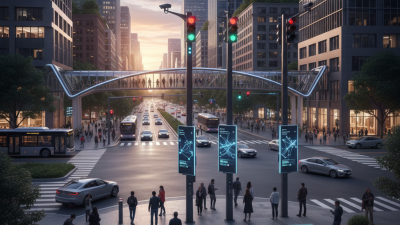
As we look ahead to 2026, understanding traffic signal operations becomes increasingly important. Urban areas continue to grow, and with that growth comes a surge in vehicle numbers. Traffic signals are vital for managing this complexity. They regulate the flow of cars, buses, and pedestrians, ensuring safety and efficiency.
New technologies will influence how traffic signals operate. Innovations like adaptive signal control and connected vehicle technology promise to enhance traffic management. However, drivers and pedestrians may find these changes challenging. Some might struggle to adapt to new signal patterns or trust automated systems.
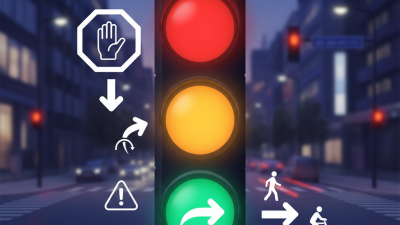
Moreover, the importance of public awareness cannot be overstated. Educating communities on traffic signal functionalities fosters safer road environments. In a world filled with distractions, understanding traffic signals is crucial for all road users. Recognizing their operations can help minimize accidents and improve traffic flow. Embracing these changes offers significant benefits, yet adapting to them requires effort and reflection.
Overview of Traffic Signal Technology Innovations by 2026
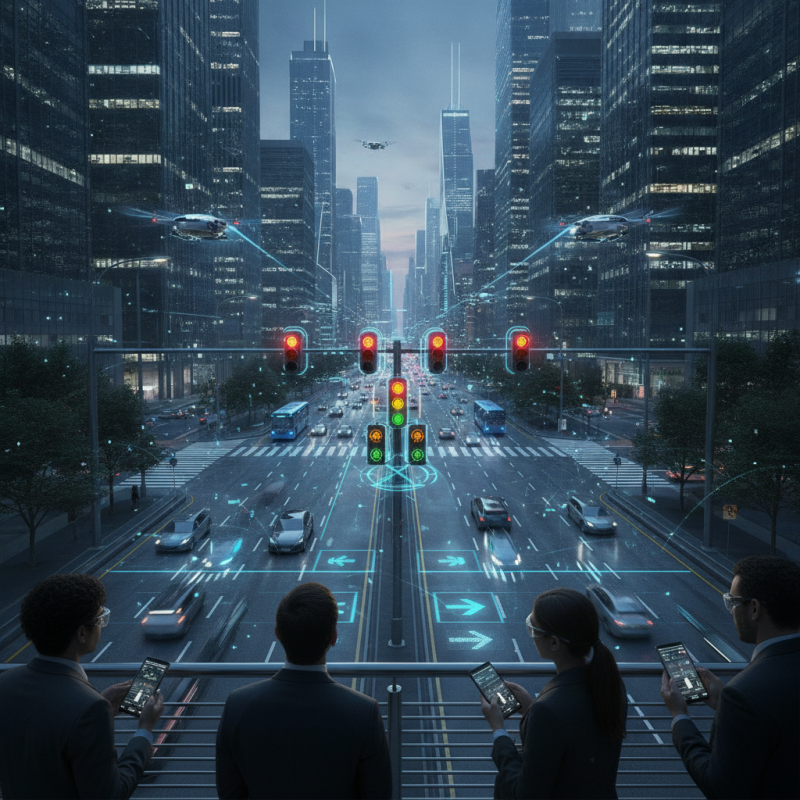
Traffic signal technology is rapidly evolving. By 2026, innovations promise to significantly enhance urban mobility. According to the International Transportation Engineering Society, smart traffic signals can reduce congestion by up to 30%. These systems analyze real-time data, adapting to traffic flow and pedestrian needs. Improved sensors and AI algorithms will prioritize emergency vehicles, enhancing response times.
Cities are increasingly adopting adaptive signal control technology. This allows traffic lights to change based on actual traffic conditions. A study from the National Highway Traffic Safety Administration noted that adaptive systems can decrease travel delays by 15%. This crucial improvement reflects a growing investment in smart infrastructure. However, challenges remain in integrating traditional systems with new technologies.
Tips: Always stay informed about local traffic management plans. Engage with city planners to voice traffic concerns. Consider using apps that provide real-time traffic updates. These can help you navigate the evolving landscape effectively. The right tools will enhance your commuting experience as technologies evolve.
Understanding the Role of AI in Traffic Signal Operations
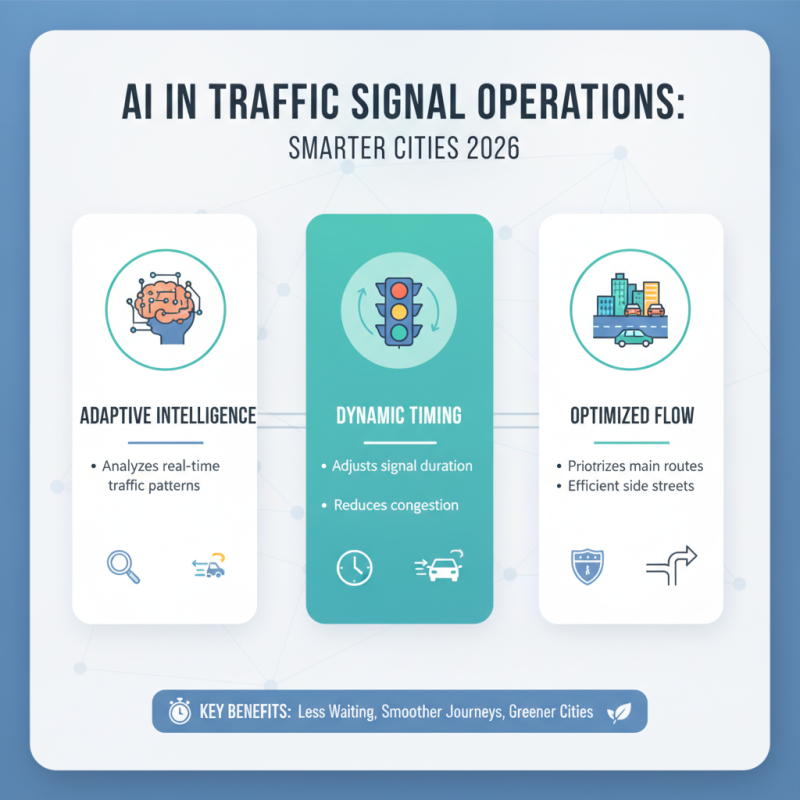
The evolution of traffic signal systems is heavily shaped by artificial intelligence (AI). In 2026, we are witnessing smarter traffic lights that adapt in real-time. These signals analyze traffic patterns and adjust their timings based on current conditions. For example, during rush hour, AI can prioritize main routes while allowing side streets to move more efficiently.
Integrating AI into traffic management also brings some challenges. While the technology provides data-driven insights, it is not foolproof. Occasionally, algorithms misinterpret situations, leading to unexpected delays. Additionally, there is a need for continuous updates and maintenance to ensure reliability. Relying solely on AI can result in overconfidence and neglect of human oversight.
Public response to AI-driven traffic signals varies. Some appreciate reduced congestion. Others express concerns over safety and accountability. As we navigate these advancements, a balance must be struck between technology and human judgment. These discussions are crucial as we shape the future of urban mobility.
Impact of Smart City Initiatives on Traffic Management Systems
Smart City initiatives are reshaping traffic management systems significantly. By 2026, cities will leverage advanced technologies to improve traffic signal operations. According to a recent Mobility Trends report, 85% of urban areas are investing in smart traffic solutions. These solutions use real-time data to manage signals efficiently.
Traffic signals will become adaptive, responding to current traffic conditions. For instance, a study by the International Transportation Forum shows an average 20% reduction in congestion where adaptive signals are implemented. However, challenges remain. Not all cities have the infrastructure to support these upgrades. Some areas may still rely on outdated systems. Consequently, disparities in traffic management effectiveness across different regions are evident.
The human element will also play a role. As cities embrace technology, driver behavior must adapt. Educational programs are essential for maximizing traffic system efficiency. Traffic signal operations will depend on public understanding and cooperation. As cities aim for better mobility, balancing technology and human factors is crucial. The journey to seamless traffic management is ongoing and still requires careful consideration.
Analyzing Traffic Flow Data for Efficient Signal Timing
Traffic signal operations are vital for urban planning. By analyzing traffic flow data, cities can improve signal timing. This keeps vehicles moving smoothly. Efficient traffic management reduces congestion. Key metrics include vehicle counts, speed, and wait times.
However, the process isn't perfect. Fluctuations in traffic patterns can complicate predictions. Anomalies may arise during peak hours or special events. Traffic engineers must regularly revisit their strategies. Adapting to changes is crucial for maintaining efficiency. Real-time data analysis can enhance decision-making.
Moreover, public input plays a role. Communities often have insights into local traffic issues. Feedback may highlight problems not seen through data alone. Collaborating with residents can lead to better solutions. Understanding both quantitative and qualitative data forms a comprehensive approach. This balance helps create reliable traffic signal operations.
Future Trends in User-Centric Traffic Signal Design and Functionality
As we look ahead to 2026, the design of traffic signals is evolving to prioritize user needs. Recent data indicate that pedestrian fatalities have risen by 46% since 2009, highlighting the urgent need for safer traffic solutions. User-centric approaches now focus on integrating technologies that adapt to real-time conditions. For instance, adaptive signal control technologies can optimize traffic flow and reduce waiting times, leading to improved safety for all road users.
Innovative pedestrian features are also being explored. For example, smart crosswalks with embedded sensors can detect pedestrian traffic and adjust signals accordingly. These systems enhance safety while reducing congestion. A report from the Institute of Transportation Engineers notes that using such technologies can potentially reduce accidents by 30%. However, there are challenges in implementation. Many cities face budget constraints and a lack of established infrastructure for new technologies. This tension calls for ongoing dialogue between planners, engineers, and the community.
Anticipating future trends involves balancing technology with human behavior. Traffic signals must not only rely on algorithms but also consider cultural factors and user interactions. Often, the most advanced technology may not be the most effective if it fails to resonate with local users. Exploring these complexities will ensure that traffic signals in 2026 are safe, efficient, and truly user-focused.
How to Understand Traffic Signal Operations in 2026? - Future Trends in User-Centric Traffic Signal Design and Functionality
| Feature |
Description |
Expected Impact |
| Adaptive Signal Control |
Signals adapt in real-time to traffic conditions using AI. |
Reduced congestion and improved traffic flow. |
| User Notifications |
Real-time notifications sent to users via apps about signal changes. |
Enhanced user experience and safety. |
| Priority for Emergency Vehicles |
Signals prioritize green lights for emergency vehicles. |
Faster response times for emergency services. |
| Pedestrian and Cyclist Integration |
Signals provide safer crossings by detecting pedestrians and cyclists. |
Increased safety for non-motorized users. |
| Data-Driven Decision Making |
Utilizing data analytics for traffic signal timing and adjustments. |
Improved efficiency and planning of traffic systems. |