inquiry
Leave Your Message

Traffic Signal Tips for Efficient Urban Planning and Safety?

Urban planning plays a crucial role in shaping cities. One vital component is the traffic signal system. Proper traffic signal management directly impacts road safety and efficiency. Well-designed traffic signals can reduce congestion and improve pedestrian safety.

However, many cities still grapple with outdated signal timing. Inefficient traffic signals lead to longer waits. This not only frustrates drivers but also increases pollution levels. A fresh approach to traffic signal design can alleviate these issues. Incorporating smart technology is one potential solution.

Every city is unique, and so are its traffic patterns. What works in one place may not work in another. Planning should focus on local needs, using traffic signals as a tool for improvement. Reflecting on current practices can unveil areas for enhancement. Cities must prioritize research and community feedback in traffic signal planning.
Traffic Signal Tips for Efficient Urban Planning and Safety?

Understanding the Importance of Traffic Signals in Urban Planning

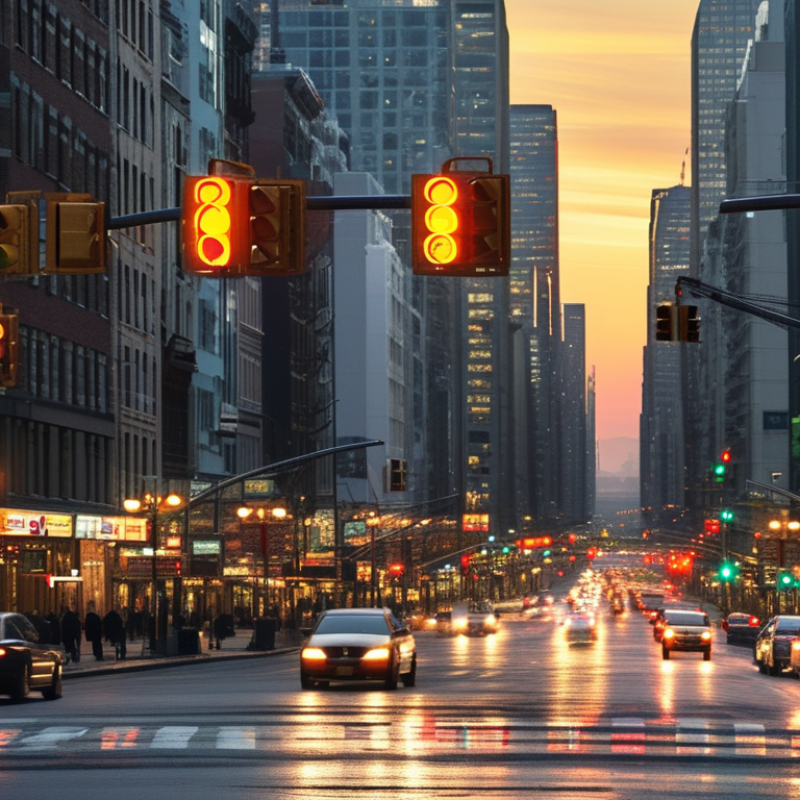
Traffic signals play a crucial role in urban planning. They manage the flow of vehicles and pedestrians, enhancing safety and reducing congestion. According to the Institute of Transportation Engineers, proper signalization can decrease crashes by up to 30%. This statistic highlights the importance of integrating traffic signals into urban designs.

Efficient planning should consider several tips. Signals must be synchronized to optimize traffic flow. A well-timed signal system can reduce travel times by 20% in busy urban settings. Additionally, incorporating pedestrian signals promotes safety and encourages walking. When pedestrians feel safe, they are more likely to use public spaces.

Urban planners must reflect on current practices. Many cities still rely on outdated signal timings. This can create bottlenecks and frustration for commuters. Data shows that cities using adaptive traffic signal technology experience a 10% reduction in delays. Investing in updated systems can enhance urban mobility. Continuous assessment of traffic signal effectiveness is essential for future improvements.
Key Factors Influencing Traffic Signal Design and Placement

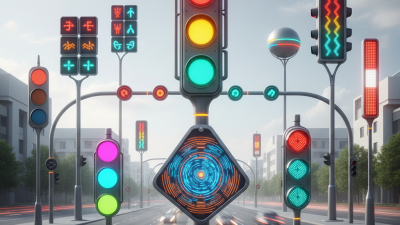
Traffic signal design and placement are essential for urban safety and efficiency. Key factors include traffic volume, road type, and the surrounding environment. For example, high-traffic areas require signals that respond quickly to changing conditions. In contrast, quieter streets might benefit from simpler signals. Engineers often analyze data to predict vehicle flow patterns. They monitor peak hours to ensure signals function optimally.

Another factor is pedestrian safety. Signals should offer adequate crossing times, especially near schools or parks. Locations with high pedestrian traffic may need additional warnings or countdown timers. In some places, signals might be too close together, causing confusion. It’s vital to balance signal placement for vehicles and pedestrians. Feedback from local communities can highlight these issues.

Finally, factors like weather and visibility influence signal effectiveness. Poor weather can obscure signals and lead to accidents. Signal design should account for these conditions. Street lighting is also a factor. Reflective materials can improve visibility at night. Municipalities should evaluate their signal systems regularly and be open to adjustments based on community needs.

Traffic Signal Tips for Efficient Urban Planning and Safety

Factor Description Impact on Design Recommended Action
Traffic Volume The number of vehicles that pass through an intersection. Higher volumes may require longer signal timing and more lanes. Conduct regular traffic studies to assess volume changes.
Pedestrian Traffic The number of people crossing at intersections. High pedestrian volumes need longer crossing times and advanced signals. Implement pedestrian countdown signals and refuge islands.
Surrounding Infrastructure Presence of nearby highways, schools, or public transport. Affects signal timing and placement for optimal flow. Align signal design with existing infrastructure plans.
Visibility Conditions Lighting and weather conditions that may impair visibility. Requires consideration of signal placement and technology. Incorporate LED signals and improve street lighting.
Traffic Patterns Recognizing peak hours and common travel routes. Informs adaptive signal control technology use. Utilize data analytics to adjust signals in real-time.

Best Practices for Traffic Signal Timing and Coordination

Traffic signal timing and coordination play a crucial role in urban planning. Efficient signal timing can reduce congestion and improve safety. Cities often use algorithms to optimize signal patterns based on traffic flow. However, these systems are not flawless. Sometimes, they fail to adapt to real-time conditions.

For effective signal coordination, it’s essential to consider peak hours and road types. Different zones may require unique approaches. Adjusting signals to allow smoother transitions at intersections can enhance overall traffic movement. Regular assessments of traffic patterns help identify problem areas. However, even with the best data, human error can skew results.

Moreover, community involvement is vital. Local insights often reveal issues that traffic studies might miss. Engaging with residents fosters trust and improves planning outcomes. Nevertheless, some may resist changes even when evidence supports new approaches. Balancing expert planning and public opinion can be challenging but is necessary for true safety and efficiency.

Innovative Technologies to Enhance Traffic Signal Efficiency

Innovative technologies are reshaping traffic signal systems in urban planning. Adaptive signal control technology (ASCT) uses real-time data. It adjusts timing based on traffic flow, reducing congestion. This approach addresses inefficiencies in traditional timers. However, it requires accurate sensors. If sensors fail, delays can worsen.

Integrating artificial intelligence (AI) further enhances signal performance. AI can predict traffic patterns and optimize signal changes efficiently. It helps prioritize routes during peak hours. Still, reliance on AI raises concerns about system failures. A malfunction could lead to chaos at intersections.

Moreover, intelligent transportation systems (ITS) enable communication between vehicles and signals. This exchange fosters a safer driving experience. Yet, the technology hinges on widespread adoption. Many cities lag in infrastructure updates. Remaining adaptable and wise in approach is crucial for success.

Strategies for Promoting Pedestrian and Cyclist Safety at Signals

Urban planning plays a crucial role in ensuring safety for pedestrians and cyclists. According to the National Highway Traffic Safety Administration (NHTSA), in 2019, over 6,500 pedestrians and nearly 850 cyclists lost their lives in traffic accidents in the U.S. alone. These numbers highlight the urgent need for effective traffic signal strategies that enhance safety at crosswalks and bike lanes.

Improving visibility is a key strategy. Installing LED countdown timers at signals can significantly reduce the time pedestrians are exposed to traffic. A study by the Federal Highway Administration showed that these timers can lead to a 15% increase in safe crossings. Furthermore, adding dedicated bike signals can minimize conflicts between cyclists and motor vehicles. Many cities have successfully implemented these measures, but challenges remain. Not all neighborhoods have the budget for upgrades, which can leave vulnerable road users at risk.

Education and community engagement are equally important. A report by the Pedestrian and Bicycle Information Center stressed that community awareness can impact driver behavior. However, awareness campaigns often lack sufficient funding and reach. Local governments must work harder to provide educational materials that reach all demographics. Enhancing public understanding about pedestrian rights and safe cycling practices remains a work in progress that needs further attention.

Traffic Signal Safety Metrics for Pedestrians and Cyclists