How to Understand Traffic Signals and Road Signs for Safety?
Understanding traffic signals and road signs is crucial for ensuring safety on our roads. According to the National Safety Council, nearly 40% of all traffic deaths in the U.S. are linked to failures to yield at intersections, where traffic signal and road signs play a key role. These signs serve as essential guides, informing drivers of potential dangers, directions, and regulations. Yet, many drivers overlook their significance, which often leads to costly mistakes.
The Federal Highway Administration emphasizes that clear interpretation of these signals can reduce accidents significantly. For instance, the use of yellow signals warns drivers to slow down, while stop signs require complete cessation of movement. Despite this knowledge, a surprising number of drivers do not comply with such regulations. This gap highlights the need for better education and awareness regarding traffic signal and road signs.
Traffic signal and road signs are more than mere symbols; they are lifesaving tools. Improved understanding can foster a safer environment for all road users. Drivers, pedestrians, and cyclists should engage with these signals and signs attentively. Ignoring their meanings can result in dire consequences. Proper awareness and adherence are fundamental for safety on our roads.
Understanding the Purpose of Traffic Signals and Road Signs
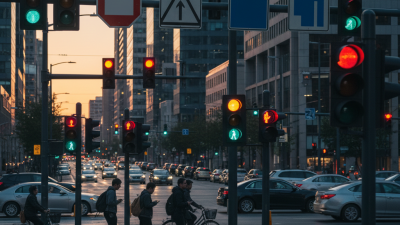
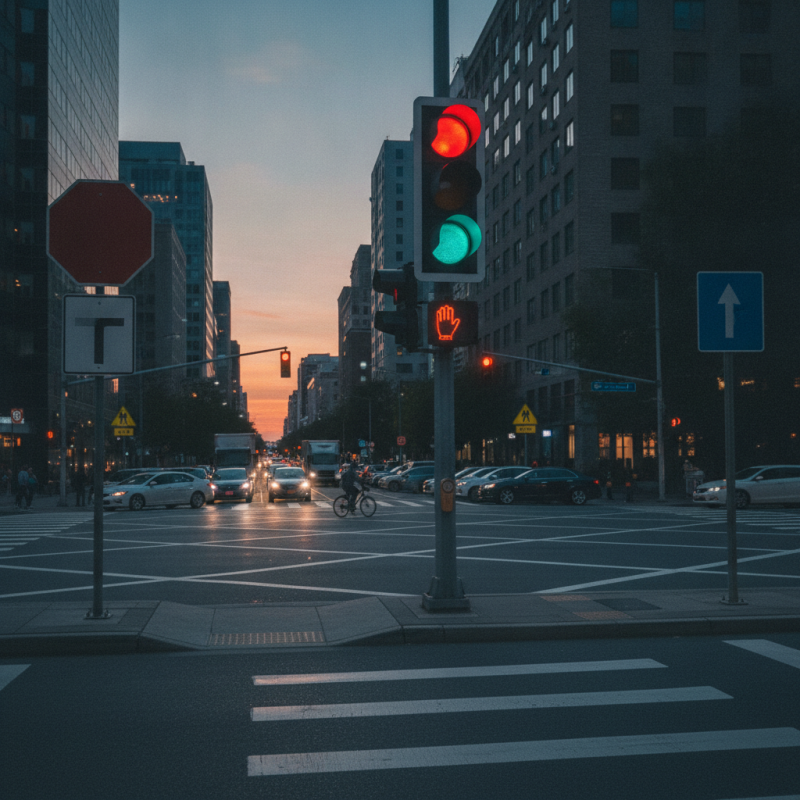
Traffic signals and road signs serve essential roles in maintaining road safety. They communicate important information to drivers and pedestrians alike. Understanding their meanings can prevent accidents and improve overall traffic flow. Every color has a specific meaning. For example, red signals a stop, while green means proceed. Yellow indicates caution, urging drivers to prepare to stop.
Signs come in various shapes and colors, each conveying different instructions. A stop sign is octagonal and requires complete cessation. A yield sign, in contrast, is triangular and asks drivers to give way to oncoming traffic. Awareness of these symbols is crucial for everyone on the road. Neglecting their meanings can lead to dangerous situations.
Reflecting on personal experiences can also enhance understanding. How many times have we ignored a traffic sign, thinking it doesn't apply to us? This mindset can be risky. Learning about the significance of each sign helps reshape our attitudes toward road safety. Real-life scenarios remind us that attentiveness is vital. By prioritizing safety through comprehension of traffic signals and signs, we contribute to a more secure driving environment.
Types of Traffic Signals: Colors and Their Meanings
Traffic signals play a crucial role in road safety. Understanding their colors and meanings can help prevent accidents. The three primary colors are red, yellow, and green. Each color conveys a specific action for drivers and pedestrians.
Red indicates that vehicles must stop. It warns of potential danger ahead. Ignoring a red light can lead to severe consequences. Yellow signals caution. It advises drivers to prepare to stop. This color is often overlooked, yet it is essential for safety. Green means go, but it’s not always safe. Drivers must remain vigilant, watching for pedestrians and cyclists.
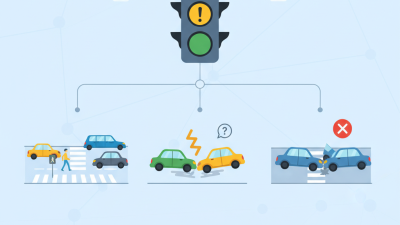
It’s important to reflect on common mistakes. Many drivers rush through yellow lights. This behavior is dangerous and can lead to collisions. Another issue arises when drivers do not pay attention to changing signals. Distraction can lead to tragic results. Being aware of the meanings behind these signals can enhance road safety for everyone.
Understanding Traffic Signals and Road Signs for Safety
Common Road Sign Categories and Their Functions
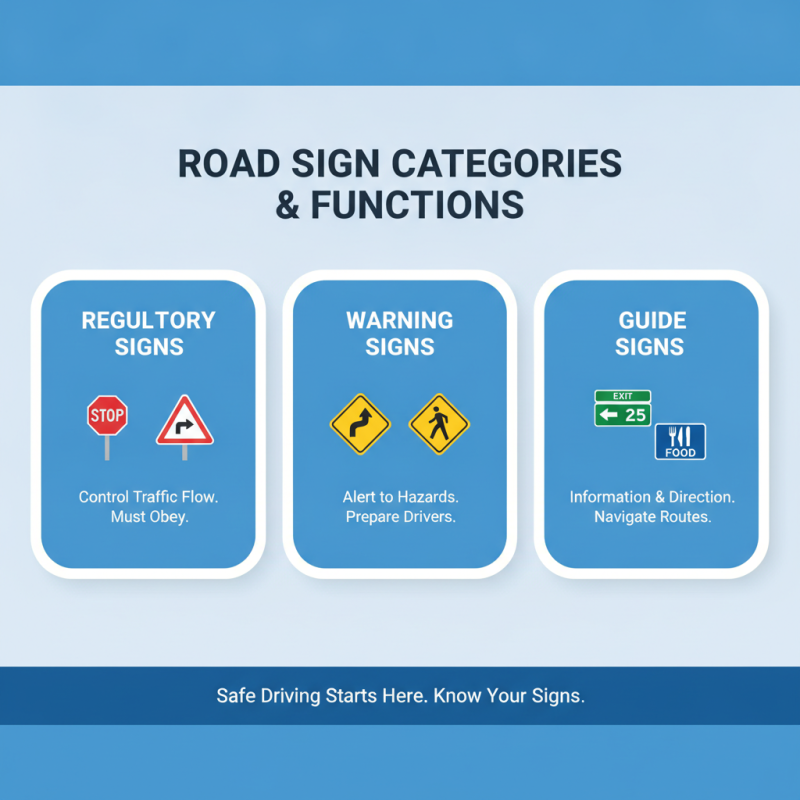
Understanding road signs is crucial for safe driving. These signs fall into several categories, each with distinct functions. Regulatory signs, like stop and yield, control traffic flow. Drivers must obey these to prevent accidents. Warning signs, such as curves and pedestrian crossings, alert drivers to potential hazards. Recognizing these signs can give you a critical advantage on the road.
Informational signs provide valuable guidance. They can indicate directions, distances, and nearby amenities. These signs, like highway exit signs, help navigate unfamiliar routes. However, many drivers underestimate their importance. Misreading or ignoring these signs can lead to confusion and unsafe situations.
Finally, construction signs signal work zones. These signs often require reduced speed and increased caution. Drivers should be aware that work zones can change frequently. Staying alert is key in these areas. We all make mistakes, but learning from them can enhance road safety. Recognizing these categories of road signs ensures safer journeys for everyone.
Interpreting Non-Traditional Traffic Signals and Signs
Understanding non-traditional traffic signals and signs is critical for road safety. These signals often differ from conventional ones, creating confusion. A report from the National Highway Traffic Safety Administration indicates that nearly 12% of traffic fatalities are due to misunderstanding signage and signals. This highlights the importance of clear communication on the roads.
For instance, colored arrows or flashing lights may indicate movement restrictions or hazards. Pedestrian hybrid beacons are becoming more common in urban areas. Research shows they can reduce pedestrian-involved crashes by 29%. However, the effectiveness of these signs relies on drivers recognizing and obeying them. Many drivers still struggle to react appropriately, reflecting a gap in understanding.
Another example includes the implementation of roundabouts. While they reduce collision severity, drivers must adapt to their unique yielding rules. A survey found that only 60% of drivers felt confident using roundabouts. This indicates a need for better education and signage. Clarity in these areas can enhance overall road safety, ensuring everyone understands the signals and how to respond effectively.
How to Understand Traffic Signals and Road Signs for Safety? - Interpreting Non-Traditional Traffic Signals and Signs
| Sign Type |
Description |
Common Locations |
Interpretation |
| Yield Sign |
Indicates that drivers must give way to other road users |
Intersections, roundabouts |
Slow down and prepare to stop if necessary |
| Pedestrian Crossing |
Marks designated areas for pedestrians to cross |
Near schools, urban areas |
Stop for pedestrians on the crossing |
| No U-Turn |
Prohibits making a U-turn at this location |
Intersections, highways |
Find an alternative route |
| Single Lane Ahead |
Indicates that the road ahead limits to one lane |
Narrow roads, bridges |
Proceed with caution and expect delays |
| Roundabout Ahead |
Indicates an upcoming roundabout |
City outskirts, main roads |
Yield to traffic already in the roundabout |
Safety Tips for Navigating Intersections and Roadways
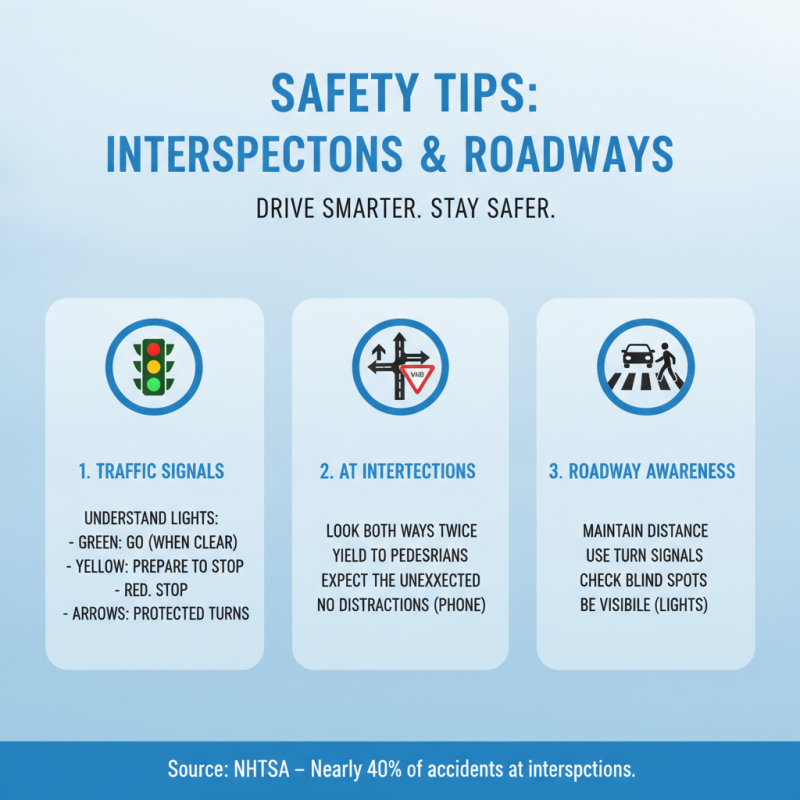
Navigating intersections can be challenging. According to the National Highway Traffic Safety Administration (NHTSA), nearly 40% of traffic accidents occur at intersections. Understanding traffic signals is essential for preventing these accidents.
When approaching a traffic signal, observe the lights carefully. A red light means stop. Yellow signals caution drivers to prepare to stop. Green lights permit movement, but drivers should check for pedestrians and cyclists before proceeding. It’s crucial to understand that a green light does not guarantee safety. In 2022, over 7,000 pedestrians were killed in traffic incidents, underscoring the need for vigilance.
Road signs also play a vital role. They guide behaviors and warn about hazards. For instance, a yield sign means you must let other traffic go first. Failing to yield can lead to severe accidents. Pay attention to signs indicating speed limits and road conditions. Inexperience or distractions can lead to missing these important messages. Distracted driving remains a significant issue, with the NHTSA noting that it accounts for 9% of fatal crashes. Remember, your safety relies heavily on understanding and obeying these signals and signs.