Top Speed Detector Products for 2026 What Do Buyers Need?
As we approach 2026, the demand for innovative speed detector products is on the rise. Buyers are becoming more aware of the importance of reliable speed detection technology. This awareness drives a need for informed choices among the existing options.
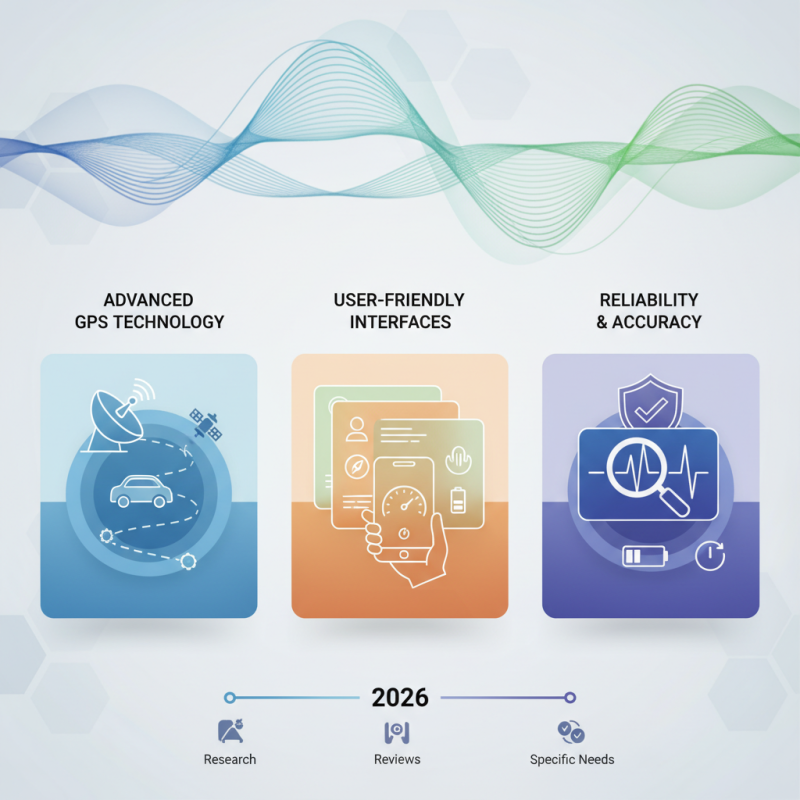
Speed detectors serve various purposes, from ensuring road safety to enhancing the driving experience. However, buyers may find the multitude of features overwhelming. Some products offer advanced GPS technology, while others focus on user-friendly interfaces. It's vital for potential buyers to understand these differences.
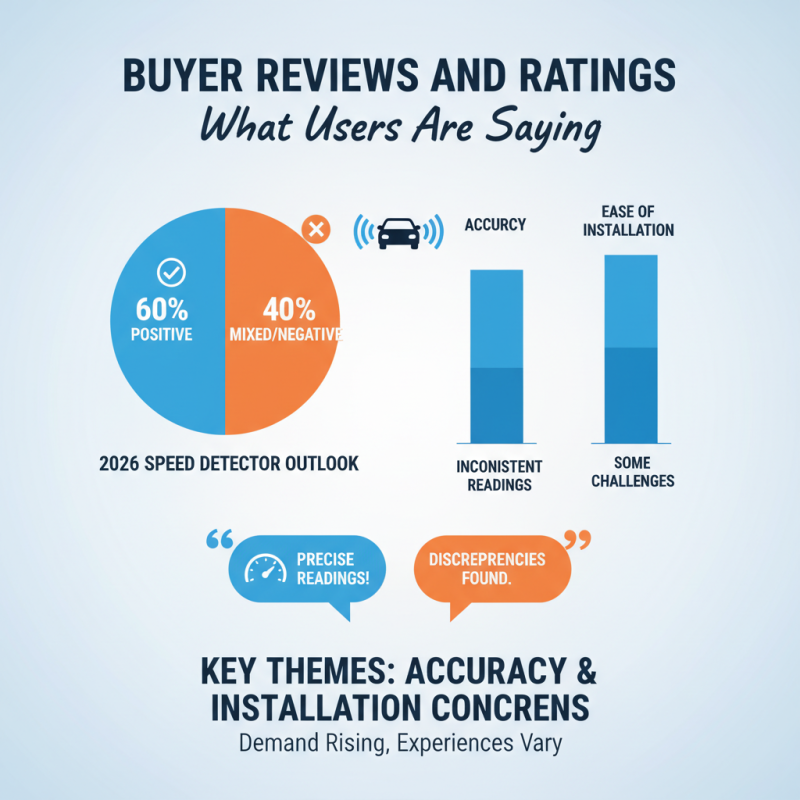
While many products claim reliability, not all speed detectors live up to expectations. Some consumers may encounter issues with accuracy or battery life. This discrepancy highlights the importance of thorough research and professional reviews before purchasing. Buyers should consider their specific needs, whether for personal use or professional applications, and invest in a product that meets those criteria.
Top Speed Detector Products Overview for 2026
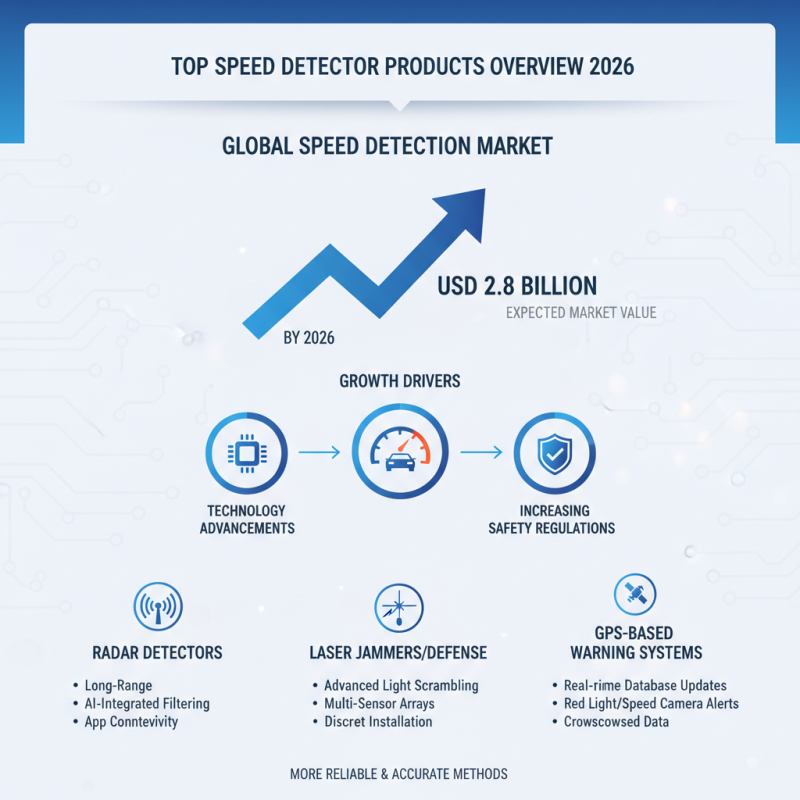
As we approach 2026, the market for speed detector products is evolving rapidly. Research indicates that the global speed detection system market is expected to reach USD 2.8 billion by 2026, propelled by advancements in technology and increasing safety regulations. This growth reflects a strong consumer demand for more reliable and accurate speed detection methods.
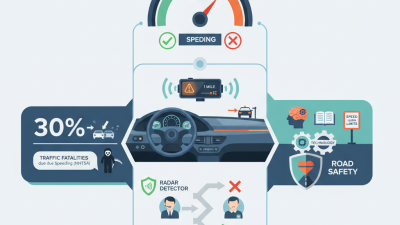
Buyers should seek products that utilize both radar and laser technology. A combination of these methods increases precision and decreases false readings. According to recent industry reports, systems that integrate Artificial Intelligence (AI) are witnessing a 30% increase in popularity. Such innovations enhance user experience by providing real-time analytics and data insights.
It’s essential to consider the installation process and ease of use when selecting a speed detector. Many products feature user-friendly interfaces, which can significantly affect performance. However, the adaptability of these systems can vary based on geographical location and technological infrastructure. Buyers must reflect on their specific needs and the potential challenges they may face. Not every solution fits all scenarios, underlining the importance of thorough research before investing.
Key Features to Look for in Speed Detectors
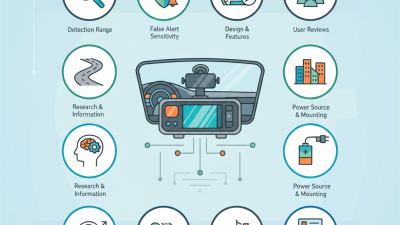
When selecting a speed detector, buyers should focus on key features that enhance both functionality and reliability. Accuracy is paramount. The best devices can precisely measure speeds within a narrow margin of error, ensuring trustworthy data. Look for models that offer a response time of less than one second. This feature is crucial for real-time monitoring.
Consider the display type. A clear, bright display is essential, especially in low-light conditions. Some models provide digital displays, while others use analog. Choose one that you find easy to read quickly. Battery life is another factor. Look for detectors that offer extended use without frequent recharging. A long-lasting battery is particularly beneficial for frequent travelers or those using it for extended periods.
Tips to remember include checking customer reviews for real-world performance. Users often highlight functionalities that are not evident in specifications. Additionally, assessments of build quality can save money in the long run. A robust design decreases the chances of malfunction during use. As technology evolves, it’s also worth observing emerging features that may enhance user experience in the future. Balancing these needs with practicality can lead to better purchasing decisions.
Comparative Analysis of Leading Speed Detector Brands
In the evolving world of speed detection technology, buyers are keen to understand the comparative attributes of leading brands for 2026. Key features include accuracy, response time, and ease of use. Industry reports reveal that nearly 70% of users prioritize precision in detecting high-speed vehicles. This is crucial for both safety and compliance monitoring.
Moreover, a recent study noted that user satisfaction often correlates with product durability and battery life. Many devices now offer extended battery performance, exceeding 15 hours of continuous use. In contrast, some outdated models struggle with longevity, leading to frustration among users. Flexibility and installation ease are also prevalent concerns. Many consumers find that complicated setups deter them from fully utilizing their devices.
Price is another pivotal factor influencing buyer decisions. The price range varies significantly among products, from basic models to advanced features. Consumers must balance functionality with budget constraints. Overall, understanding these dynamics equips buyers with the necessary tools to make informed decisions in a competitive market.
Top Speed Detector Products for 2026 What Do Buyers Need? - Comparative Analysis of Leading Speed Detector Brands
| Product Type |
Detection Range |
Accuracy |
Price |
User Rating |
| Portable Speed Detector |
2000 ft |
±2 mph |
$199 |
4.5/5 |
| Fixed Speed Camera |
Unlimited |
±1 mph |
$750 |
4.7/5 |
| Wearable Speed Detector |
1000 ft |
±3 mph |
$99 |
4.2/5 |
| Mobile Radar Detector |
1500 ft |
±2 mph |
$299 |
4.4/5 |
Future Trends in Speed Detection Technology for Consumers
Speed detection technology is evolving rapidly. Consumers are looking for reliable solutions to enhance their driving experience. The focus on accuracy and ease of use is paramount. In 2026, buyers will prioritize devices that ensure safety while complying with local regulations. New technology may include advanced sensors and real-time data analysis, providing precise speed readings.
Tips: Look for user-friendly interfaces. Many consumers appreciate clear displays and intuitive controls. Products that offer mobile app integration can also enhance functionality. Stay updated on features that promote safety, such as alerts for speed limit changes.
As technology advances, we may see increased automation. Devices could automatically adjust to varying speed limits and terrain features. While these advancements promise convenience, they may also lead to over-reliance on technology. Users should remain vigilant while driving. The integration of AI may create more accurate speed detection, but no system is infallible. Buyers must remain discerning and considerate of technology limits.