2026 Top Traffic Signal Solutions for Global Buyers?
The global traffic signal industry is evolving rapidly, shaped by technology and urban development. Experts like Dr. Emily Johnson, a leading authority in traffic management systems, emphasize the importance of smart solutions. She states, “Innovative traffic signals can significantly reduce congestion and enhance safety.”
As cities expand, the demand for efficient traffic signal solutions grows. Buyers worldwide are looking for systems that integrate real-time data and adaptive algorithms. These solutions not only optimize traffic flow but also contribute to reducing carbon emissions. However, some traffic signal technologies still face challenges, such as integration with existing infrastructure.
Navigating the options can be daunting. With so many choices, it’s easy to overlook essential features like durability and maintenance requirements. Buyers must critically evaluate these solutions to ensure they meet their unique needs. The quest for the best traffic signal solutions requires thoughtful consideration and reflection on long-term impacts.

Overview of Traffic Signal Solutions in 2026
As we look into 2026, traffic signal solutions are evolving quickly. Cities are adopting advanced technologies to enhance traffic flow and safety. The integration of artificial intelligence and machine learning is becoming common. These innovations help predict traffic patterns and adjust signal timings dynamically.
Moreover, pedestrian safety remains a priority. More signals are being designed with smart features. For instance, some now include countdown timers and audible alerts. However, challenges persist. Not all cities have the resources to implement these advancements equally. This creates disparities in urban traffic management.
The need for training persists. City planners and technicians must understand these systems well. There is a gap in knowledge that can hinder implementation. Investing in education is crucial for effective deployment. Traffic signals can greatly improve urban life, but they must be managed effectively.
2026 Traffic Signal Solutions Overview
Key Innovations in Traffic Signal Technology
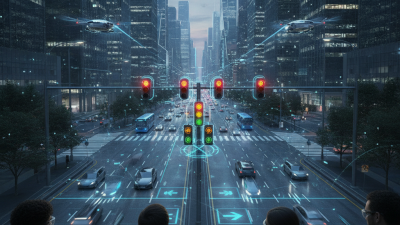
The traffic signal technology landscape is evolving rapidly. Recent studies indicate that advanced signal control systems can reduce traffic congestion by up to 30%. Innovations like adaptive traffic signals adjust in real-time to changing traffic patterns. These systems use sensors to gather data. This allows for improved traffic flow with minimal delays.
Another key innovation is the integration of artificial intelligence into traffic management. AI algorithms can optimize signal timing, leading to better resource allocation. Reports suggest that cities using AI-based signals experience a significant drop in wait times. However, these solutions require substantial investment and skilled personnel for implementation. Some jurisdictions may struggle with adopting these technologies.
Emerging technologies like vehicle-to-infrastructure communication are also making strides. This allows vehicles to interact with traffic signals directly. Yet, challenges related to cybersecurity and data privacy must be addressed. As cities explore these advancements, a cautious approach is essential. Balancing innovation with safety will determine the success of future urban traffic solutions.
2026 Top Traffic Signal Solutions for Global Buyers - Key Innovations in Traffic Signal Technology
| Solution Type |
Key Features |
Technological Innovations |
Market Trend |
Expected Adoption Rate (2026) |
| Smart Traffic Signals |
Adaptive timing based on real-time traffic |
AI integration, IoT connectivity |
Growing demand for smart city solutions |
30% |
| Solar-Powered Signals |
Eco-friendly, energy-efficient |
Solar technology, battery storage |
Increasing focus on sustainability |
25% |
| Pedestrian Detection Signals |
Alerts drivers of pedestrians |
Sensor technology, alert systems |
Focus on safety and accessibility |
20% |
| Connected Vehicle Infrastructure |
Communication with vehicles |
V2I (Vehicle to Infrastructure) technology |
Expansion of autonomous driving features |
15% |
| Wireless Traffic Signals |
Reduced installation costs |
Wireless communication technologies |
Increase in infrastructure flexibility |
18% |
Global Market Trends and Buyer Preferences
In recent years, the landscape of traffic signal solutions has undergone significant changes. Buyers across the globe are increasingly focused on efficiency and sustainability. They seek solutions that promote safety while minimizing environmental impact. As urban populations grow, the demand for smarter traffic management systems is becoming essential.
Buyer preferences are shifting toward technology-driven solutions. Features like adaptive traffic signals and real-time data integration are gaining traction. These innovations promise to reduce congestion and enhance traffic flow. However, some regions still struggle with outdated infrastructure. Many decision-makers face challenges in integrating new technologies into existing systems.
Moreover, cost effectiveness remains a critical factor. While investing in advanced solutions can yield long-term benefits, the upfront costs deter some buyers. They often prioritize budget constraints over innovation. This hesitation can lead to missed opportunities for improving traffic management. Balancing investment and innovation is crucial for future-proofing urban transport systems.
Challenges and Solutions in Traffic Signal Implementation
The implementation of traffic signals poses unique challenges for urban planners and engineers. Each city has different traffic patterns, making a one-size-fits-all approach ineffective. For instance, densely populated areas may struggle with delays, while rural locations may lack sufficient signaling. Understanding these variances is crucial for developing suitable solutions.
One effective strategy is gathering data to analyze traffic flow. Using technology, such as sensors and cameras, provides insights into peak usage times. This data can guide decisions about signal placement and timing. A thoughtful implementation of adaptive signal control can enhance traffic management.
Tips: Always involve local communities in discussions. Their input often reveals unconsidered issues and needs. Conduct regular reviews of traffic patterns post-implementation. Continuous assessment leads to better adjustments over time.
Engaging with multiple stakeholders can be complex. Conflicting interests may arise, delaying project timelines. Effective communication is key to navigating these challenges and finding common ground. Rethinking traditional practices and embracing innovative technologies is essential for success.
Future Directions for Traffic Signal Developments
The future of traffic signal developments is rapidly evolving, with a focus on smart technologies. According to a recent study by the International Institute of Transportation, approximately 70% of cities plan to implement adaptive signal control systems by 2026. These systems adjust signal timing based on real-time traffic data, enhancing flow and reducing congestion.
Integration with vehicle-to-everything (V2X) technology is another promising direction. Research indicated that V2X can improve intersection safety by up to 30%. Through real-time communication, vehicles and infrastructure can exchange critical data, informing signals when to change. This leads to reduced wait times and improved road safety.
However, challenges remain in implementation. Many municipalities lack sufficient budgets or technical expertise. A study by the Urban Mobility Report highlighted that about 40% of urban areas still rely on outdated traffic management systems. This gap creates inconsistency in traffic signal networks. Continuous investment in training and infrastructure is essential for achieving smart traffic ecosystems.