inquiry
Leave Your Message

Why Are Traffic Signals Essential for Safe Road Navigation?

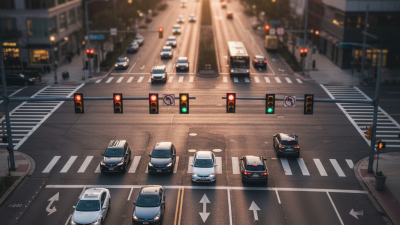
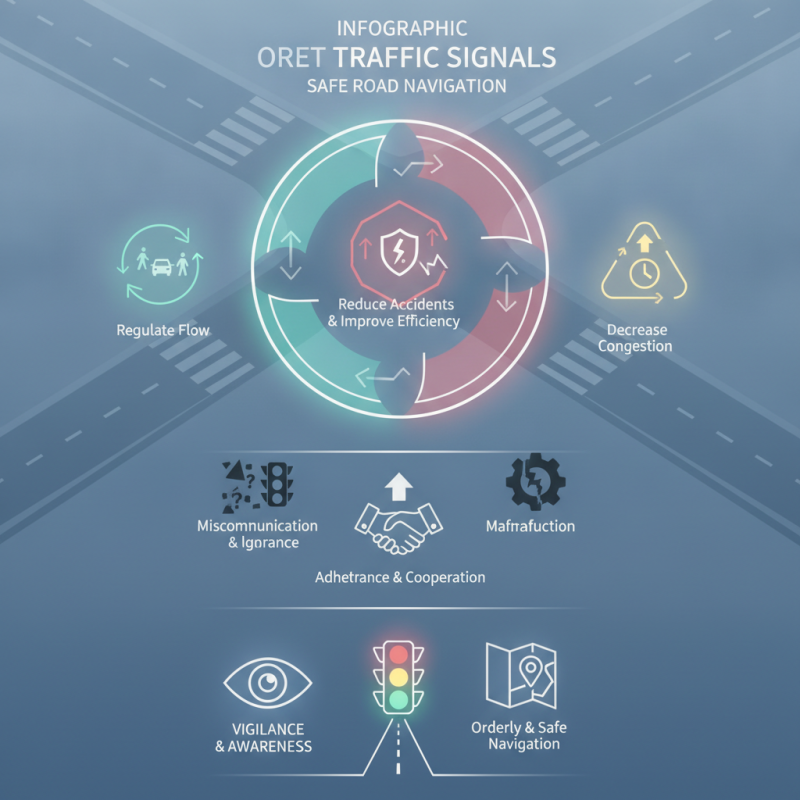
Traffic signals play a critical role in ensuring safe road navigation. These signals help to regulate the flow of vehicles and pedestrians at intersections. Their presence reduces the likelihood of accidents and improves overall traffic efficiency. A well-timed traffic signal can significantly decrease congestion.

However, traffic signals are not infallible. Miscommunication between drivers and signals can lead to confusion. Some drivers may ignore signals, assuming they can proceed safely. This behavior often results in dangerous situations. Furthermore, in some areas, traffic signals may not be properly maintained, causing malfunction.

Experts emphasize the importance of adherence to traffic signals. Adopting a cooperative attitude can enhance road safety for everyone. Traffic signals serve as a guide. Relying on them promotes orderly and safe navigation. Nonetheless, drivers must remain vigilant and aware, even when signals are in place. Understanding their role is essential for fostering safer roads.
Why Are Traffic Signals Essential for Safe Road Navigation?

The Role of Traffic Signals in Regulating Traffic Flow

Why Are Traffic Signals Essential for Safe Road Navigation?

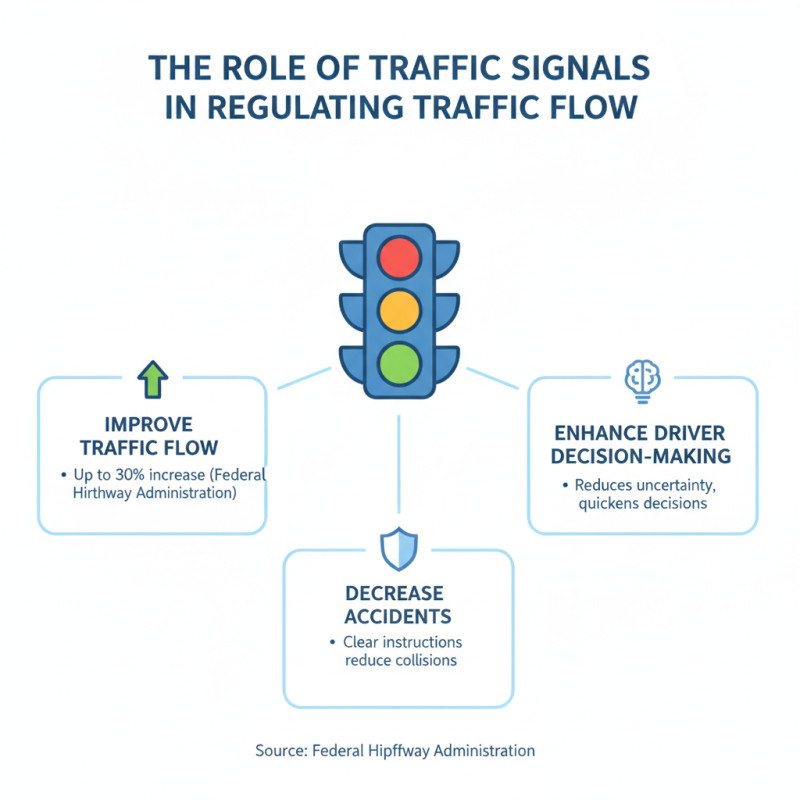
Traffic signals play a crucial role in managing vehicle movement on roadways. According to the Federal Highway Administration, well-timed signals can improve traffic flow by up to 30%. Signals decrease the likelihood of accidents by providing clear instructions to drivers. They reduce uncertainty, allowing drivers to make quick, informed decisions.

In congested urban areas, traffic signals are vital. A study from the Institute of Transportation Engineers highlights that 30% of traffic delays are linked to improper signal timing. This inefficiency can lead to frustration and increased emissions as vehicles idle. Properly coordinated signals can reduce waiting time, enhancing both traffic efficiency and air quality.

Despite their benefits, not all systems are perfect. Aging infrastructure can lead to signal malfunctions or ineffective timing. Inconsistent signal plans may confuse drivers, resulting in reckless behavior, such as running red lights. Regular assessments and updates of traffic management systems are essential to maintain safety and efficiency on the roads.

Understanding the Different Types of Traffic Signals

Traffic signals are a critical part of road navigation. They help manage the flow of vehicles and pedestrians. Understanding their types can enhance road safety significantly.

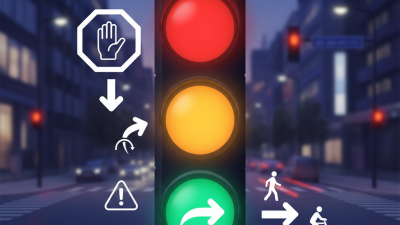
The most common type is the traffic light, which includes red, yellow, and green lights. Red signals stop vehicles, while green indicates go. Yellow lights serve as a warning. Pedestrian signals are also important. They often display a walking person or a blinking hand, guiding when it’s safe to cross. These signals are crucial in preventing accidents at busy intersections.

In addition, there are traffic signs and signals for specific conditions. Stop signs, yield signs, and speed limit signs provide clear instructions. Each serves a unique purpose. Yet, not all drivers respect these signals. Some overlook them, leading to dangerous situations. This persistent disregard emphasizes the need for ongoing education on the importance of obeying traffic signals. It's a collective responsibility to ensure safer roads for everyone.

Safety Benefits of Traffic Signals for Pedestrians and Drivers

Why Are Traffic Signals Essential for Safe Road Navigation?

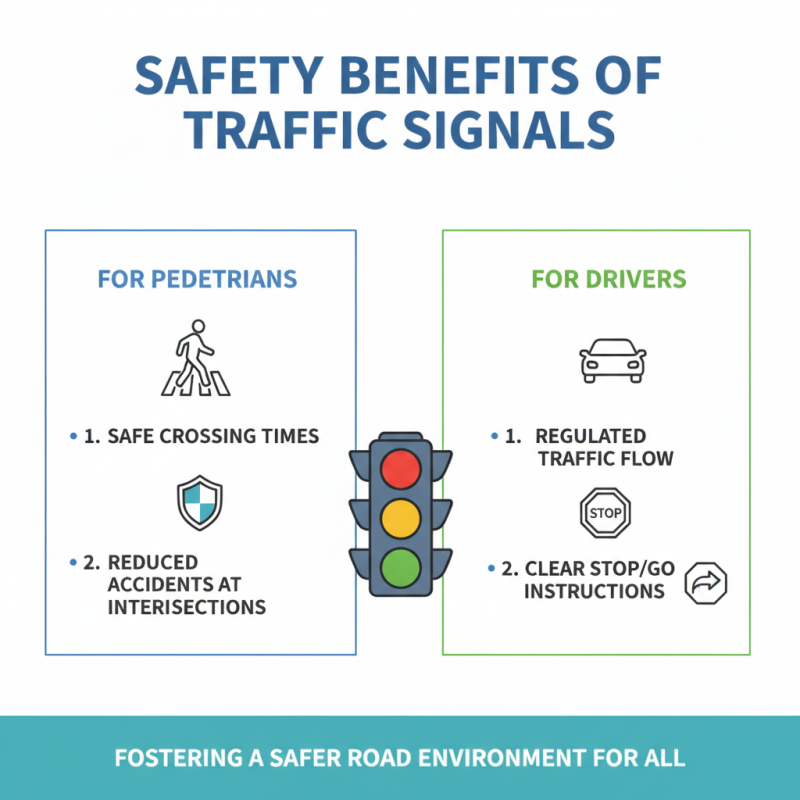
Traffic signals play a crucial role in ensuring road safety for both pedestrians and drivers. They regulate the flow of traffic, reducing the chances of accidents at busy intersections. When drivers see a red light, they know to stop, which allows pedestrians to cross safely. This simple yet effective system fosters a safe environment on the road.

Pedestrians also benefit significantly from traffic signals. Clear signals, such as "walk" and "don't walk," guide them in navigating busy streets. Imagine a mother pushing a stroller or an elderly person with limited mobility; traffic signals give them the confidence to cross safely. However, not all signals are clear, and some intersections can still be daunting for vulnerable road users. Misunderstandings can arise if signals are not functioning properly or are obscured.

Moreover, while most drivers heed traffic signals, lapses in attention happen. Distracted driving can lead to ignoring red lights. This highlights the importance of continued education on road safety. Communities must encourage safe practices and the need for better infrastructure. Enhancements can further improve safety for everyone—drivers, cyclists, and pedestrians alike.

How Traffic Signals Reduce Accidents and Improve Road Safety

Traffic signals play a pivotal role in ensuring safe road navigation. They manage the flow of vehicles and pedestrians at intersections. Properly functioning signals help reduce confusion among drivers. When traffic lights change, everyone knows their role. This predictability minimizes the chances of accidents.

In addition to guiding vehicles, traffic signals enhance pedestrian safety. Signals provide designated times for crossing streets. When pedestrians see a "walk" signal, they feel secure. However, not all intersections are equipped with signals. This inconsistency can lead to risky situations. Drivers may overlook unmarked crossings. Inadequate signals can heighten confusion, especially in busy areas.

Consider the impact of malfunctioning traffic signals. They can create chaos at intersections. Drivers may hesitate, increasing the potential for collisions. Regular maintenance of these signals is crucial. Communities should prioritize the upkeep of traffic lights. Educating the public about the importance of signaling can further improve road safety. Awareness and consistency could make all the difference.

Impact of Traffic Signals on Road Safety

This chart visualizes the impact of traffic signals on road safety by comparing the number of accidents before and after traffic signals were implemented. The significant decrease in accidents highlights the critical role that traffic signals play in improving road safety.

The Impact of Traffic Signals on Urban Planning and Traffic Management

Traffic signals play a crucial role in urban planning and traffic management. They ensure the orderly flow of vehicles and pedestrians. In busy cities, these signals can reduce accidents significantly. Well-placed signals direct traffic efficiently. They can also optimize travel times, allowing people to reach their destinations faster.

However, the placement of traffic signals often leads to debates. Some intersections may require a signal, while others might not need one. Urban planners must analyze traffic patterns deeply. This can involve surveys and real-time data collection. Over-reliance on signals can sometimes lead to complacency among drivers. They may overlook other important cues, like road signs or pedestrian crossings.

Moreover, traffic signals can impact city aesthetics. Brightly colored signals can make streets feel chaotic. Finding the right balance between safety and visual appeal is vital. As cities evolve, traffic management will need to adapt. Signals should evolve based on emerging traffic trends, like the rise of bicycles and electric scooters. Planning for the future is essential, but it requires ongoing reflection and adjustments.