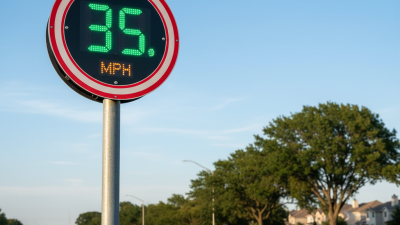
Top Speed Radar Detectors for Global Buyers in 2026?
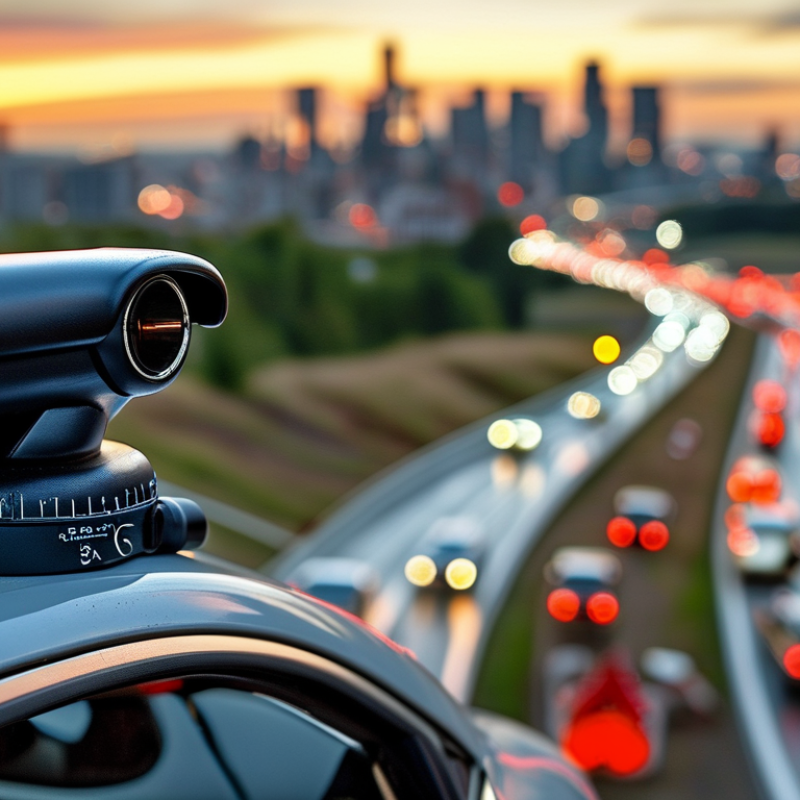
As we approach 2026, the technology behind Speed Radar Detectors continues to evolve. These devices have become essential for many drivers who want to stay informed about speed regulations. They provide alerts about nearby speed enforcement, helping to reduce unexpected fines and enhance road safety.
Modern Speed Radar Detectors come equipped with advanced features. GPS integration, real-time updates, and instant alerts offer increased reliability. Yet, not all detectors deliver the same performance. Some may struggle in areas with heavy interference, or their range may not meet users' expectations.
Choosing the right Speed Radar Detector demands careful consideration. Buyers should prioritize models known for accuracy and low false alerts. It's crucial to reflect on user reviews and expert recommendations. In this competitive market, making an informed decision can significantly impact your driving experience.
Top Speed Radar Detectors: An Overview of 2026 Market Trends
In 2026, the market for speed radar detectors is primed for notable changes. Buyers are looking for devices that not only detect speed traps but also provide comprehensive alerts. Many detectors will feature advanced technology, such as GPS integration and smartphone connectivity. This evolution caters to a growing demand for high-tech solutions in everyday driving experiences.
Tips for users include: regularly updating your radar detector's software. This ensures you receive the latest improvements and enhancements. Consider the device’s sensitivity levels and range. Not all detectors perform well in every environment. Users should test their devices in various locations to gauge effectiveness.
As trends shift, affordability and usability are key. Many consumers may struggle to find a balance between cost and features. In 2026, it’s likely that budget options will improve significantly. Users may wish to examine customer reviews closely to avoid unnecessary purchases. The best options will likely provide a mix of high-quality features and reasonable pricing.
Key Features to Consider When Choosing Radar Detectors in 2026
Choosing the right radar detector in 2026 involves understanding several key features.
Sensitivity, range, and filtering capabilities are crucial.
A detector with high sensitivity picks up signals effectively. Look for options with adjustable sensitivity. This feature helps reduce false alerts.
It’s vital for maintaining focus on the road.
Another important factor is GPS functionality.
GPS-enabled detectors provide real-time location data. They can warn you about speed traps and red light cameras.
This feature enhances overall safety. However, accuracy can vary. Check user reviews for the latest data on performance.
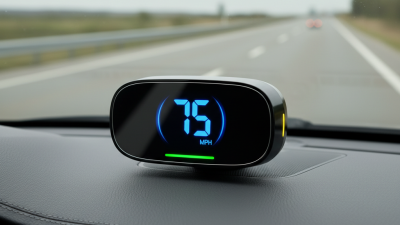
Consider the design and user interface, as well. A clear display aids in quick readings.
Voice alerts can also be beneficial. It allows drivers to keep their eyes on the road. Some models may require more than one glance.
Assess if that would distract you.
Tips:
Opt for models with user-customizable settings. This can enhance your experience. Regularly update your device to ensure peak performance.
Always double-check features before purchase. It’s an investment in your safety.
Comparative Review of Leading Radar Detector Brands for Global Buyers
In the evolving world of radar detectors, buying decisions hinge on reliability and performance. Global buyers seek devices that can efficiently detect various radar bands. Understanding the unique features of leading brands is essential for making informed choices. Many brands offer user-friendly interfaces and advanced filtering technology. These features enhance detection accuracy and reduce false alerts.
For instance, some models excel in long-range detection. They can provide timely alerts ahead of potential speed traps. Others focus on ease of use, ensuring even novice users can operate them effectively. However, not all devices deliver consistent performance. Some may struggle in urban environments where interference is common. It’s crucial for buyers to consider real-world reviews and user experiences.
Additionally, look for brands that offer good after-sales support. Technical assistance can be vital for troubleshooting and software updates. Potential buyers should also research warranties. A product with a solid warranty indicates manufacturer confidence. Overall, the market is varied. Careful consideration of features, performance, and support can lead to a satisfactory purchase. Each buyer’s needs are unique, and personal research will always yield the best outcomes.
Top Speed Radar Detectors Performance Comparison (2026)
Legal Considerations for Using Radar Detectors Across Different Countries
When considering the use of radar detectors worldwide in 2026, legal aspects vary significantly. Each country has its own regulations.
For instance, in the United States, radar detectors are legal in many states. However, specific areas like Virginia and
Washington, D.C., impose strict bans. A study by the Global Traffic Safety Organization highlighted that
over 20% of drivers unknowingly violate local laws regarding radar detection devices.
In Europe, the regulations are more restrictive. Countries like Germany and France
enforce bans on radar detectors. In fact, a report from the European Commission noted that speeding contributes to
over 30% of road fatalities. This indicates the complexities that exist. Drivers need to be informed about their destination's laws.
Information may be outdated or unclear, leading to possible legal troubles.
Understanding fines and penalties is crucial. In some regions, fines for possessing radar detectors can exceed €1,000. The lack of
universal standards creates challenges for global travelers. They must conduct thorough research before crossing borders. It is essential to consider
these legal ramifications alongside the potential benefits of using radar detection technology.
Future Innovations in Radar Detector Technology and Their Implications
The future of radar detector technology holds exciting potential for global buyers. Innovations are shaping a new landscape. Enhanced detection algorithms promise greater accuracy. This means users can expect fewer false alarms. With the growing complexity of road systems, the need for precision will only increase.
Emerging technologies like artificial intelligence (AI) will play a crucial role. AI can learn from traffic patterns and user behavior. It may provide tailored alerts, ensuring relevance and accuracy. Yet, there are challenges. Privacy concerns surrounding data collection could arise. Balancing innovation and privacy will be vital as these devices evolve.
Connectivity is another key aspect. Smart devices can communicate with each other, creating a network that shares real-time data. This could lead to improved situational awareness for drivers. However, over-reliance on technology has its risks. The human element must not be neglected. Technology should enhance, not replace, good driving practices. Reflecting on these developments is essential for users and manufacturers alike, as the road ahead becomes more complex.
Top Speed Radar Detectors for Global Buyers in 2026 - Future Innovations
| Model |
Detection Range (m) |
Frequency Bands |
GPS Technology |
Voice Alerts |
Price (USD) |
| Model A |
1500 |
X, K, Ka, Laser |
Yes |
Yes |
299 |
| Model B |
1300 |
K, Ka, Laser |
No |
Yes |
249 |
| Model C |
1800 |
X, K, Ka, Laser |
Yes |
Yes |
349 |
| Model D |
2000 |
K, Ka, Laser |
Yes |
No |
399 |