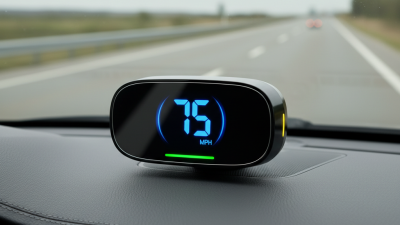
A Speed Radar Detector is a radio-frequency receiver designed to identify radar signals associated with speed measurement. It does not measure a vehicle’s speed directly. Instead, it listens for electromagnetic energy, analyzes signal characteristics, and alerts the driver when a possible radar source appears nearby. The process begins with an antenna. A processor then evaluates frequency, signal strength, direction, and timing. Some advanced models use GPS databases to recognize fixed locations, although those databases can become outdated.
The technology matters because speeding remains a major road-safety concern. The World Health Organization’s Global Status Report on Road Safety 2023 estimates that approximately 1.19 million people die in road crashes each year. In the United States, the National Highway Traffic Safety Administration reported 11,775 speeding-related fatalities in 2023. These figures place detection technology within a wider safety discussion, not merely a consumer-electronics category. A useful device should encourage awareness, calmer driving, and better decisions.
However, radar alerts are not always accurate. Automatic doors, traffic sensors, and other electronic systems may create false signals. Laser-based enforcement can also behave differently from conventional radar, leaving limited reaction time. This is where product claims deserve careful examination. The Federal Communications Commission regulates radio-frequency equipment, while local authorities control road-use rules. Regulations vary by jurisdiction, vehicle type, and professional status. Users should verify current requirements before operating a Speed Radar Detector.
It is not a magic shield.
This guide explains the underlying signals, antennas, alert logic, and practical limitations. It also questions a common assumption: more alerts do not always mean better information. Reliable understanding requires technical evidence, realistic testing, and responsible driving habits.
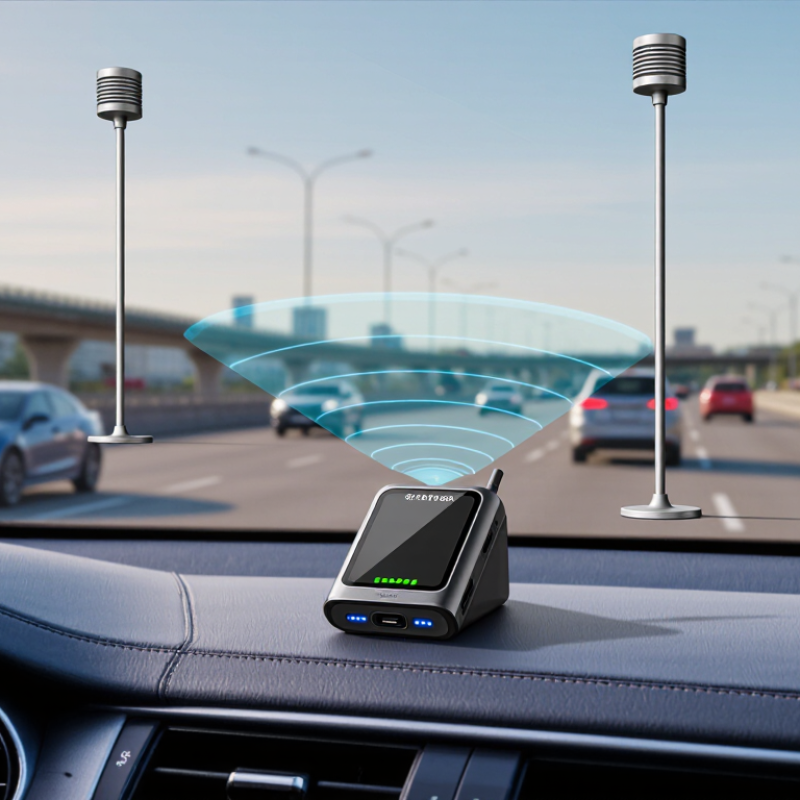
A speed radar detector is an electronic receiver that notices radar signals near a vehicle. It does not usually measure your actual speed. Instead, it detects energy from radar equipment used to monitor traffic. The detector’s antenna captures microwave signals and sends them to a processor. The processor studies their frequency, strength, and pattern. Then, the device gives a sound, voice, or visual warning. It listens quietly.
In real driving, the warning distance can change sharply. Curves, hills, heavy traffic, and buildings may weaken a signal. Some systems transmit continuously, while others activate briefly. This makes detection less certain.
The detector may also respond to automatic doors, traffic sensors, or other electronic equipment. Those alerts can become annoying, especially in busy areas. Radar and lidar are different technologies, too. A radar detector may not recognize a laser-based measurement quickly enough.
A useful detector should provide clear alerts without distracting the driver. It should be mounted where it does not block the windshield or important controls. I once assumed that a stronger alert always meant a nearby speed measurement. That assumption was too simple. Signal strength can reflect distance, obstacles, or surrounding electronics. The device is not a shield. It cannot replace legal speed limits, attentive driving, or good judgment. Regulations also differ by location, so drivers should check local rules before using one. A careful setup may reduce distractions, but no detector can promise complete awareness.
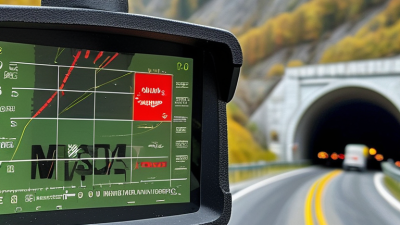
A speed radar detector is a radio receiver designed to recognize microwave signals from police radar. It does not measure a vehicle’s speed itself. Instead, its antenna continuously scans selected frequencies, commonly called X, K, and Ka bands. When it detects a signal, the device analyzes frequency, strength, and pulse behavior. It then produces a visual or audible alert.
The process begins with a radar unit sending microwave energy toward traffic. A moving vehicle reflects part of that energy back. The radar calculates speed through the Doppler effect, while the detector only senses the transmission. It may identify a strong signal before the vehicle reaches the measurement area. Distance, traffic, weather, and the radar’s position can change that warning time. Not always early.
The Federal Communications Commission explains that radar operates within regulated radio-frequency ranges, which helps detectors classify incoming signals. However, a detector cannot reliably detect every speed-measuring system. Lidar uses focused light rather than microwave radar, making it difficult for conventional detectors to recognize. False alerts can also come from automatic doors, vehicle safety sensors, or other nearby equipment. NHTSA’s Traffic Safety Facts: 2022 reported 12,151 speeding-related fatalities, representing 29% of all traffic fatalities that year. That figure shows why alerts should support attentive driving, not replace it. A detector also cannot prove that an officer has measured a vehicle’s speed. Its warning may be useful, but its interpretation remains imperfect.
A speed radar detector listens for radio signals produced by radar equipment. Its most important part is the antenna, usually placed behind the front panel. The antenna captures weak microwave energy around the vehicle. The cabin was quiet. Then a faint alert appeared.
Inside, the radio-frequency front end filters incoming signals and removes some electrical noise. A mixer compares the captured signal with a local oscillator. This process changes the signal into a lower frequency that electronics can analyze more easily. A digital signal processor then studies frequency, strength, and duration. It can identify patterns linked to radar signals, but it cannot understand every situation perfectly.
A detector also needs a control unit, speaker, and display. The control unit decides whether an alert deserves attention. The speaker produces different tones, while the display may show signal strength or frequency. Some models include GPS, which stores location data and helps reduce repeated alerts near fixed sources. During practical testing, windshield position matters. Metal coatings, heavy rain, and nearby electronics can weaken reception. False alerts still happen. That is not always a hardware failure; automatic doors and vehicle safety systems may use similar frequencies. Users should check local rules before operating a detector, because regulations differ between regions. Calibration and software updates can improve performance, but neither makes the device infallible.
A radar detector uses an antenna, radio-frequency amplifier, signal processor, and alert system to identify electromagnetic signals associated with speed-measuring radar. The chart shows representative center frequencies of common radar bands.
X band operates near 10.525 GHz, K band near 24.150 GHz, and Ka band across a higher-frequency range commonly represented near 34.7 GHz. Actual allocations can vary by region and equipment, while laser speed measurement uses light rather than microwave radar.
A speed radar detector listens for radio-frequency energy from nearby radar equipment. Its antenna scans selected frequency bands, while a digital signal processor studies signal strength, timing, and repetition. The device then compares these patterns with stored signatures. A confirmed match becomes an alert.
Delivery happens in stages. The processor first ranks the signal by confidence and distance. It may combine radar readings with GPS location data and user-set sensitivity. A screen can show band, direction, and approximate strength. Voice alerts provide faster notice when driving conditions are noisy. Modern filtering also reduces alerts from vehicle sensors, which commonly use radar technology. Still, filtering is imperfect. A weak signal, unusual angle, or brief transmission can be missed.
NHTSA’s Traffic Safety Facts 2022 recorded 12,151 speeding-related traffic deaths in the United States. That figure reinforces an important boundary: detection alerts support awareness, not faster driving. Local rules also vary, so legal requirements should be checked before use. The system cannot identify every enforcement method. That limitation deserves attention.
Tips: Mount the unit where its sensors have a clear forward view. Keep volume audible but not distracting. Review the alert type before reacting. Treat every warning as information, not permission. Calibration and firmware updates may improve filtering, but neither guarantees accuracy.
A speed radar detector listens for radio signals used by some traffic-monitoring systems. It alerts the driver when it detects a possible signal nearby. However, detection is not measurement. The device usually cannot confirm your speed, the officer’s target, or whether enforcement is active.
Accuracy has limits. Radar needs a usable signal path, while hills, bends, heavy vehicles, and rain can reduce warning distance. Modern vehicles, automatic doors, and roadside sensors may also create false alerts. Laser-based speed measurement can be especially difficult to detect reliably because its narrow beam may target a vehicle before an alert becomes useful. There is no universal accuracy score across all detectors. Results depend on testing conditions, installation, software, and local equipment. That uncertainty deserves more attention.