Road Safety is not only about avoiding crashes. It is about protecting people as they walk, cycle, ride, or drive through everyday spaces. A safe journey should not depend on luck, perfect weather, or another person’s attention.
The World Health Organization estimates that about 1.19 million people die in road crashes each year. Millions more suffer injuries that can affect work, mobility, and family life. Dr. Etienne Krug, a leading global road-safety expert, has stated, “Road traffic injuries are a major public health problem and a leading cause of death and injury around the world.” His words place Road Safety within public health, not merely traffic management.
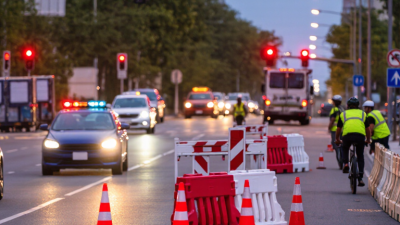
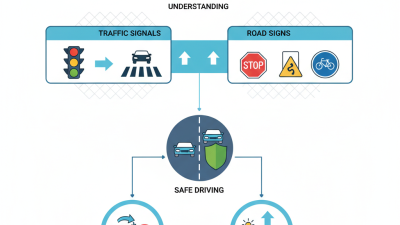
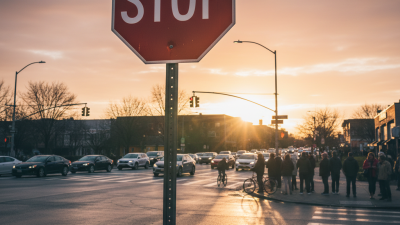
Look closely at a busy intersection. A child may wait beside a parked van, hidden from approaching drivers. A cyclist may cross broken pavement while checking a turning vehicle. A driver may travel only slightly above the speed limit, yet that small choice can increase stopping distance. These details show why safe roads require more than personal caution. They need clear signs, reliable vehicle standards, thoughtful street design, responsible behaviour, and effective emergency care.
No system is perfect.
That is an uncomfortable truth. Even careful people make mistakes, and road designs can quietly encourage them. A strong Road Safety strategy anticipates human error instead of blaming victims after a crash. It uses evidence, local experience, and transparent data to reduce preventable harm. This article explores what Road Safety means, why it matters, and how practical decisions can make daily travel safer for everyone.
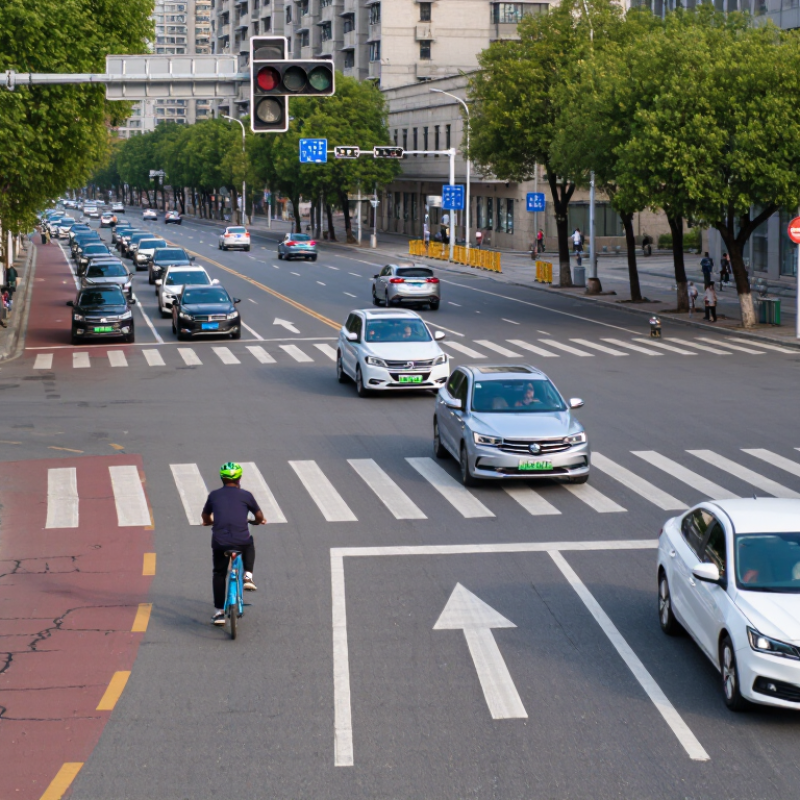
Road safety is a shared system, not merely careful driving. It connects people, vehicles, roads, and public policies. The World Health Organization’s Global Status Report on Road Safety 2023 records about 1.19 million road deaths each year. Another 20–50 million people suffer non-fatal injuries. Vulnerable road users, including pedestrians, cyclists, and motorcyclists, represent more than half of these deaths. A child crossing near a school, a driver facing poor visibility, and a damaged roadside barrier all belong in the same safety discussion. No single group carries the entire responsibility.
Vehicles should protect occupants and reduce harm to others. Roads need safe crossings, clear markings, lighting, drainage, and forgiving roadside design. Systems connect these elements through speed limits, licensing, emergency care, crash investigation, and reliable data.
The International Transport Forum stresses that safer speeds remain central to reducing fatal and serious injuries. Still, data can hide near misses, underreported injuries, and unequal risks between urban and rural areas. That weakness deserves attention.
Tips: Walk through a high-risk route at different times. Notice blind corners, fast traffic, and missing crossings. Check tire condition, lights, restraints, and child seating before every trip. Keep space around cyclists and pedestrians. Do not treat a familiar road as a safe road. Small habits help, but infrastructure must support them. The system should forgive ordinary human mistakes, because people will make them.
What Is Road Safety and Why Is It Important?
Measuring the Global Crisis: WHO Reports 1.19 Million Road Deaths Annually
Road safety protects people traveling by car, motorcycle, bicycle, or on foot. The World Health Organization reports about 1.19 million road deaths every year. That figure represents families, emergency workers, and communities facing permanent loss. Millions more people suffer nonfatal injuries, including broken bones, spinal damage, and lifelong disabilities. Pedestrians, cyclists, and motorcyclists remain especially vulnerable. They have less physical protection during a crash. A wet crossing, poor street lighting, or a distracted driver can change a routine journey within seconds.
Road deaths rarely come from one mistake alone. They reflect speeding, unsafe road design, weak enforcement, fatigue, and delayed medical care. Speed magnifies every error. It also reduces the time available to react. Reliable safety planning uses crash records, hospital data, and observations from local roads. A dangerous bend may look harmless during daylight but become threatening after rain. Some reports still lack complete information. That limitation deserves honest attention, not convenient assumptions.
Tips: Slow down near crossings, schools, and bus stops. Keep a safe distance from other vehicles. Make yourself visible at night. Avoid phone use while moving. Wear a properly fitted helmet when riding. If a road feels confusing, pause and reassess. Small choices help, but safer streets require careful design and accountable decisions.
Road crashes injure an estimated 20–50 million people annually, according to the World Health Organization’s Global Status Report on Road Safety 2023. Many survivors face fractures, brain injuries, or permanent mobility limitations. A damaged helmet, a bent wheelchair, or weeks away from work can reveal the real cost of one collision.
Risk is not distributed evenly. The WHO reports that vulnerable road users represent more than half of global road deaths. Pedestrians, motorcyclists, and cyclists often travel without a protective vehicle shell. Children face added danger because they are smaller, less visible, and still developing traffic judgment. Older adults may need more time to cross a wide road. People in low- and middle-income countries also experience a heavier burden, despite owning fewer vehicles.
Road safety work must examine ordinary moments. A dark roadside, a missing crossing, or a fast turn can change a person’s future. The International Transport Forum emphasizes safer speeds, safer infrastructure, and stronger post-crash care. These measures support prevention, but implementation remains uneven. Data also underreport some injuries, especially when victims never reach a hospital. That limitation deserves more attention. A reliable safety plan should count hospital care, rehabilitation, lost income, and long-term disability—not only deaths reported at the scene.
Road safety means reducing the chance and severity of crashes for drivers, passengers, cyclists, and pedestrians. It depends on human behavior, vehicle condition, road design, and emergency response. A safe street should guide people clearly, even when attention or judgment is imperfect.
Speed is a major risk because it increases stopping distance and impact force. At higher speeds, a child entering the road can disappear from view too quickly. Impairment also changes reaction time, vision, and decision-making. Alcohol, fatigue, and some medicines can create danger before a driver notices any change. The warning may feel small. The consequences are not.
Distraction includes texting, adjusting controls, or watching a passenger instead of the road. A vehicle can travel many meters during one glance away. Unsafe roads add another layer of risk. Potholes, faded lane markings, poor lighting, and blocked crossings can confuse even careful people. Transport engineers often examine crash patterns, road geometry, and near-miss reports before recommending changes. Still, safety plans are never perfect. A driver may obey every sign and face an unexpected hazard. A cyclist may wear visible clothing and remain unseen at a dark junction. Regular speed checks, rested driving, working lights, clear crossings, and patient attention can reduce these gaps.
| Safety Dimension | Verified Data Point | How It Raises Risk | Key Prevention Measures | Primary Source |
|---|---|---|---|---|
| Global road-safety burden | Approximately 1.19 million people die every year in road traffic crashes. An additional 20–50 million people suffer non-fatal injuries, including many with long-term disabilities. | Road crashes create preventable deaths, lifelong health needs, income loss, and major pressure on emergency and healthcare systems. | Use a Safe System approach that combines safer roads, safer vehicles, safer speeds, safer road users, and effective post-crash care. | World Health Organization |
| Speeding and inappropriate speed | A 1% increase in mean vehicle speed is associated with approximately a 4% increase in fatal-crash risk, a 3% increase in serious-injury-crash risk, and a 1% increase in slight-injury-crash risk. | Higher speed reduces reaction time, increases stopping distance, and makes impact forces more severe. It also increases the likelihood that pedestrians and cyclists will suffer fatal injuries. | Set speed limits according to road function and user vulnerability; use traffic calming, speed enforcement, safe intersections, and lower speeds in areas with pedestrians and cyclists. | WHO Global Status Report for Road Safety |
| Alcohol and drug impairment | Alcohol consumption significantly increases crash risk. In many countries, alcohol is involved in approximately 5–35% of road traffic deaths, with the proportion varying by country and reporting method. | Impairment reduces attention, judgment, coordination, hazard perception, and reaction time. The risk becomes especially serious when alcohol is combined with high speed or fatigue. | Use strict drink-driving laws, random breath testing, reliable public transport and designated-driver options, treatment for substance misuse, and zero-tolerance rules for novice and professional drivers where appropriate. | WHO: Drinking and Driving |
| Driver distraction | Drivers using a mobile phone are approximately four times more likely to be involved in a crash than drivers who do not use one. | Phone use can create visual, manual, and cognitive distraction. Texting and other screen-based tasks remove the driver’s attention from the road for several seconds at a time. | Keep phones out of reach, activate do-not-disturb settings before driving, prohibit texting while driving, design roads and vehicles to minimize unnecessary information demands, and enforce distracted-driving laws. | WHO: Mobile Phone Use: A Growing Problem of Driver Distraction |
| Fatigue and reduced alertness | Fatigue can impair driving performance in ways comparable to alcohol impairment, including slower reactions, reduced attention, and poor decision-making. Crash risk is particularly concerning during late-night and early-morning periods. | Sleepiness makes it harder to maintain lane position, identify hazards, and respond quickly. Brief episodes of microsleep can occur without the driver realizing it. | Get adequate sleep, take regular breaks on long journeys, avoid driving when drowsy, manage commercial-driver work and rest schedules, and provide safe stopping places. | WHO: Global Status Report on Road Safety |
| Unsafe road design and infrastructure | More than half of all road traffic deaths occur among vulnerable road users, including pedestrians, cyclists, and motorcyclists. | Missing sidewalks, unsafe crossings, poor lighting, high-speed intersections, inadequate separation from motor traffic, and limited protection for two-wheelers expose vulnerable users to severe injury. | Build continuous sidewalks, protected cycling facilities, safe crossings, median refuges, traffic-calmed streets, adequate lighting, forgiving roadsides, and safe intersection designs. | World Health Organization |
| Vehicle safety | Vehicle safety technologies and standards, such as seat belts, child restraints, airbags, electronic stability control, and pedestrian-protection features, substantially reduce the likelihood or severity of injury when crashes occur. | Vehicles without effective occupant protection provide less protection during impact, increasing the chance of severe or fatal injury for occupants and people outside the vehicle. | Apply and enforce vehicle safety standards, use seat belts and child restraints correctly, maintain tires and brakes, and select vehicles with strong crash-protection performance. | WHO: Global Status Report on Road Safety |
| Post-crash response | Road traffic injuries can become fatal when emergency medical care is delayed. The first minutes after a crash are critical for airway management, bleeding control, and rapid transport. | Delayed notification, difficult access, inadequate first aid, and slow transport can worsen otherwise survivable injuries. | Provide an emergency number, rapid dispatch, trained first responders, bystander first-aid education, coordinated trauma systems, and timely rehabilitation. | WHO: Post-Crash Response |
| Economic and social impact | Road traffic crashes cost most countries approximately 3% of gross domestic product each year through healthcare costs, lost productivity, property damage, and social consequences. | The impact extends beyond injured people and families to employers, public services, insurance systems, and national economic development. | Fund evidence-based prevention, prioritize high-risk locations, collect reliable crash data, evaluate interventions, and coordinate transport, health, police, and urban-planning agencies. | World Health Organization |
What Is Road Safety and Why Is It Important?
Road safety is more than preventing crashes. It means designing roads, vehicles, speeds, and emergency care around human vulnerability. The Safe System Approach accepts that people make mistakes, but mistakes should not cause death. Responsibility is shared among road designers, authorities, vehicle makers, employers, and road users.
The World Health Organization reported about 1.19 million annual road deaths in its Global Status Report on Road Safety 2023. It also found only modest progress since 2010, leaving the United Nations target of halving road deaths by 2030 seriously off track. A safer street feels practical: raised crossings near schools, clear sightlines, protected cycling space, and speeds that allow a driver to stop before impact. Speed matters greatly. A pedestrian struck at a higher speed has a much lower chance of survival.
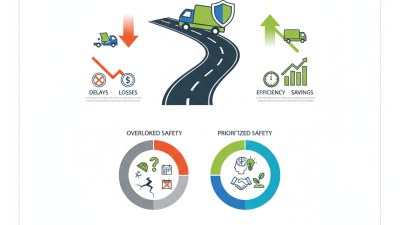
Small design failures accumulate. A faded crossing, a poorly lit junction, or a delayed ambulance can turn a survivable error into a fatal event. The UN Global Plan for the Decade of Action for Road Safety 2021–2030 calls for safer mobility systems, not isolated campaigns. Yet implementation often remains uneven, especially where crash data is incomplete or funding changes yearly. That weakness deserves honest attention. Better enforcement helps, but enforcement alone cannot repair a dangerous road. Engineers should measure serious injuries, not only traffic flow, and review near-misses before someone is killed. Progress may look less impressive at first. It may also be more real.
Estimated road traffic deaths per 100,000 population, 2021
The Safe System Approach recognizes that people make mistakes and that roads, vehicles, speeds and emergency care must work together to prevent those mistakes from becoming fatal. The United Nations Sustainable Development Goal 3.6 calls for road traffic deaths and injuries to be halved by 2030.
Source: World Health Organization, Global Status Report on Road Safety 2023. Regional figures are estimated road traffic death rates for 2021.