10 Best Stop Sign Designs You Need to See?
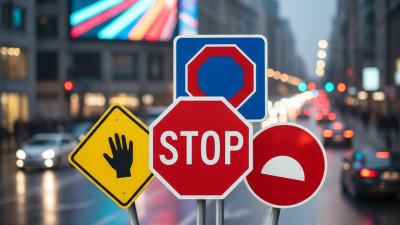
In the realm of traffic safety, the design of a Stop Sign is pivotal. Expert James Thompson, a traffic management consultant, emphasizes, "A well-designed Stop Sign is crucial for ensuring driver compliance." The aesthetics and clarity of these signs can profoundly influence behavior on the road.
When considering Stop Sign designs, creativity meets functionality. Some designs stand out for their uniqueness, yet they must maintain recognizability. Overly elaborate signs can confuse drivers, detracting from their essential purpose. Striking a balance between artistry and clarity can lead to innovative solutions.
However, some designs risk neglecting core principles. It's important to remember that visibility is paramount. A sign that blends into its surroundings may fail to alert drivers. Reflecting on this, we recognize the need for continuous improvement in stop sign aesthetics and effectiveness. The conversation about Stop Sign designs is ongoing, as there's always room for refinement and better solutions.
Unique Stop Sign Designs That Enhance Visibility and Safety
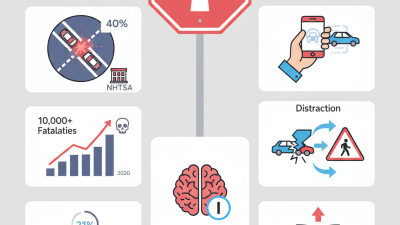
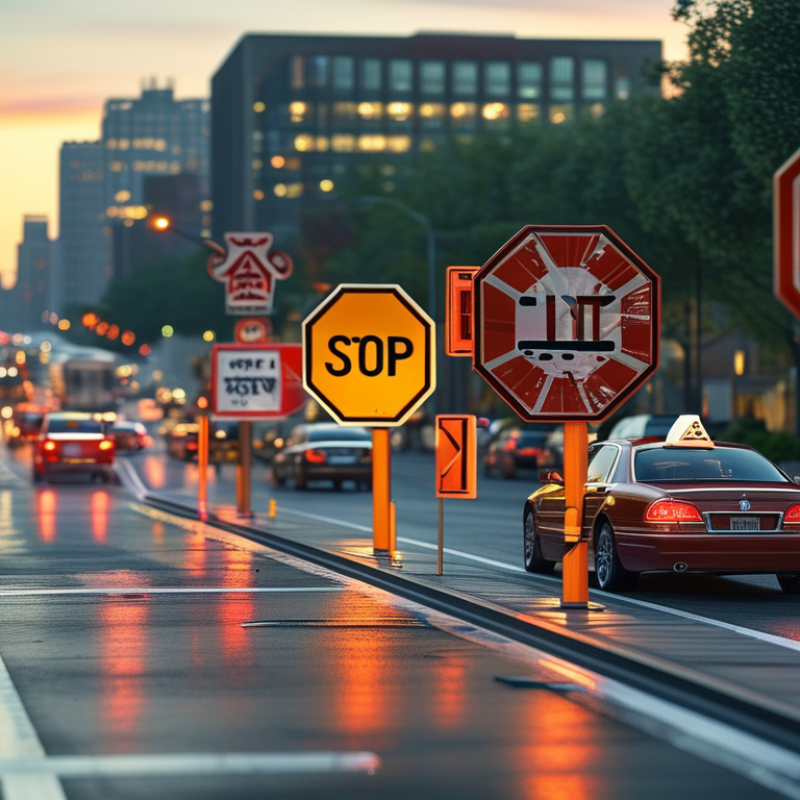
In urban planning, the importance of stop sign visibility cannot be overstated. Studies have shown that enhanced visibility can reduce accidents by up to 40%. Unique designs can significantly improve driver recognition. Traditional stop signs often blend into the surroundings, diminishing their effectiveness. A well-designed stop sign could use vibrant colors or reflective materials. These features help draw attention and increase safety.
Research indicates that pedestrian visibility improves when stop signs are creatively designed. Designs that incorporate 3D elements or LED lights have shown promise. For instance, the Traffic Safety Research Report noted a 25% decrease in pedestrian-related incidents. Creative signage not only highlights stopping points but also communicates urgency. Users report feeling safer with visually distinct signs. The psychological effect of bright colors captures attention and prompts compliant behavior from drivers.
Adoption of innovative stop sign designs is gradually increasing, yet challenges remain. Many cities still rely on outdated signage. Budget constraints often limit the adoption of unique designs. As communities strive for safer environments, it's crucial to rethink these elements. Exploring new materials and designs can lead to safer roads. Investing in visibility today can prevent accidents tomorrow.
Materials and Construction Techniques for Durable Stop Signs
When it comes to stop sign construction, materials play a critical role. Traditional materials such as aluminum dominate the industry due to their lightweight and durability. According to a report by the American Traffic Safety Services Association (ATSSA), aluminum signs can last over 10 years without fading. This is essential for maintaining visibility in various weather conditions.
Reflective sheeting is another key component. Engineering grades are common, but high-intensity sheeting is preferred in high-traffic areas. Studies show that signs with better reflectivity reduce accidents by up to 50%. Yet, manufacturers must balance durability with cost. Cheaper materials can compromise visibility, leading to potential hazards.
Innovative techniques, like extrusion or stamping, enhance the structural integrity of signs. However, some manufacturers still rely on outdated methods, which can lead to reliability issues. Reinforced edges and supports can extend a sign's lifespan, but they often incur higher production costs. The question remains—how can the industry improve while managing expenses effectively?
Stop Sign Materials Durability Comparison
Innovative Reflective Technologies in Stop Sign Design
Stop signs play a crucial role in traffic safety. Recent innovations in reflective technologies have transformed their design. Today’s stop signs use advanced materials to enhance visibility. These signs feature retroreflective sheeting that responds to vehicle headlights. This technology significantly increases the sign’s brightness at night. Well-lit signs improve driver reactions and reduce accidents.
One notable trend includes the use of LED lights. Some stop signs now integrate LED borders. These lights flash to capture attention, especially in poor visibility conditions. Such designs are gaining popularity but raise questions about reliability and effectiveness. Are they as durable as traditional signs? The balance between innovation and function is essential.
Another aspect is color contrast. High-contrast colors help in recognizing signs quickly. Some recent designs have experimented with different color patterns. While some find them eye-catching, others argue they can distract drivers. Continuous evaluation and testing are crucial for these creative solutions. Innovation should not compromise clarity and safety.
Cultural Variations: How Stop Signs Are Designed Around the World
Stop signs, while seemingly uniform, vary greatly across cultures. In some countries, colors and shapes enhance recognition. For instance, in Japan, stop signs are often rectangular, contrasting with the traditional octagonal signs found in North America. The Japanese use clear characters, ensuring comprehension even for non-native speakers. This design reflects a deeper understanding of local context.
In Europe, designs are often more minimalist. Countries like Sweden feature signs that blend with the environment, using softer colors. This approach fosters a calm driving atmosphere. However, such designs might frustrate tourists unfamiliar with local traffic norms. The effectiveness of stop signs can be influenced by cultural attitudes toward authority and rules.
It's worth noting that not all designs achieve their goals. Some regions struggle with visibility due to poor placement or design flaws. Indeed, the goal should always be safety and clarity. Each unique design tells a story about that culture's driving habits and priorities. A continuous reflection on these aspects can lead to improvements in road safety everywhere.
Impact of Aesthetics on Driver Compliance with Stop Sign Regulations
The design of stop signs plays a crucial role in driver behavior. A visually striking stop sign can capture attention more effectively than a standard one. Bright colors, unique shapes, and interesting patterns can influence how drivers perceive their importance. Research shows that aesthetics significantly affect compliance rates. A stop sign that stands out can encourage more drivers to come to a complete stop.
However, not all striking designs lead to better compliance. Sometimes, overly elaborate aesthetics can confuse drivers. When a stop sign incorporates too many elements, it can shift focus away from the message. It raises questions about clarity versus creativity. Striking a balance is essential. A stop sign must be clear and easy to interpret while still being visually engaging.
Consideration of local culture can enhance a sign's effectiveness. For instance, incorporating cultural symbols may make signs more relatable. Yet, it requires careful thought. Misinterpretation of these symbols could lead to non-compliance. Therefore, ongoing research and observation are vital. Understanding driver psychology can help create effective stop signs that are both beautiful and functional. Designing for impact requires a deep understanding of human behavior and aesthetic principles.