Why Choose the Best Speed Detector for Accurate Measurements?
In the world of precision measurement, the importance of a reliable Speed Detector cannot be overstated. As noted by Dr. Emily Carter, a leading expert in vehicular technology, "The accuracy of a Speed Detector can make the difference between safety and potential hazards." This statement underscores the necessity of choosing a high-quality detector for any application, from law enforcement to traffic management.
Speed Detectors serve a vital role in various fields, including automotive and transportation industries. They measure the speed of vehicles, ensuring compliance with regulations. An effective Speed Detector can enhance public safety and improve traffic flow. However, not all detectors are created equal. The market is flooded with options, making it challenging to identify the most effective one. It's crucial to consider factors such as technology, reliability, and ease of use when selecting a Speed Detector.
Investing in the best Speed Detector can significantly impact outcomes. Inaccurate measurements may lead to costly mistakes and unsafe situations. It is essential to acknowledge that a perfect solution may not exist. Yet, striving for excellence in choosing the right tools is crucial. Ultimately, a thoughtful selection process can enhance accuracy and ensure a positive impact on safety.
Why Accurate Speed Measurement Matters in Traffic Safety
Accurate speed measurement plays a crucial role in enhancing traffic safety. When drivers are aware of their speed, they are less likely to engage in reckless behavior. This awareness contributes to fewer accidents and injuries on the road. Consequently, choosing the best speed detector can significantly impact how speed is monitored and managed.
To achieve reliable speed detection, it is essential to consider the environment. The setting may affect the effectiveness of the device. Urban areas, for instance, have diverse conditions that can interfere with measurements. Weather, obstacles, and road infrastructure should be evaluated. This ensures that the speed readings are as accurate as possible.
Tips: Regular calibration of speed detectors ensures that they maintain high accuracy. Also, consider devices that provide real-time feedback. This immediate information helps drivers adjust their behavior on the road quickly. Investing time in familiarizing yourself with the technology leads to better results. Keep in mind that even the best devices have limitations. Continuous assessment and learning from past issues can lead to improved safety outcomes.
Key Features of High-Quality Speed Detectors Explained
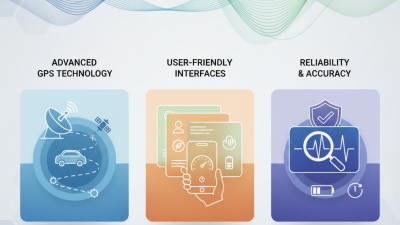
When selecting a speed detector, accuracy is paramount. High-quality detectors incorporate advanced technology. These devices often feature radar or laser technology to ensure precise measurements. The reading accuracy can be influenced by the detector's design and calibration.
Durability is also a key feature. A reliable speed detector should withstand various weather conditions. This is crucial for long-term usability. Many models come with weatherproof casings. This enhances their functionality in diverse environments. Additionally, the ease of use is vital. A user-friendly interface allows quick operation in fast-paced situations.
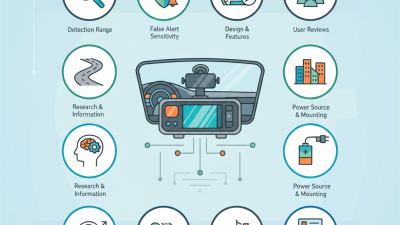
Another significant aspect is the range. A detector with a wide measurement range can capture speed variations effectively. Adding features like data logging can enhance analysis capabilities. Reviewers note that these aspects make a detector practical for both personal and professional use. However, some devices may fall short on these criteria. It's essential to consider what features truly matter for your needs. Reflect on the specific environments you will be using the detector in, and prioritize accordingly.
Comparison of Laser vs. Radar Speed Detection Technologies
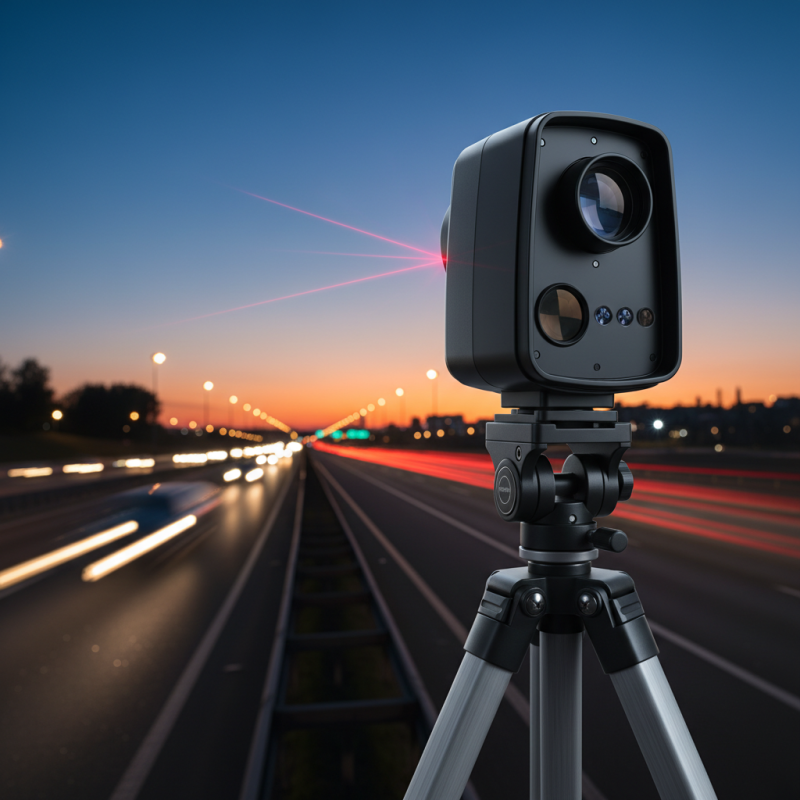
When choosing speed detection technology, understanding the difference between laser and radar is essential. Laser speed detectors use light waves. They measure the time it takes for these waves to bounce back. This technology provides precise readings, even at long distances. It is less susceptible to interference from other moving objects, making it reliable in crowded environments.
Radar speed detectors use radio waves. They can track multiple vehicles simultaneously. However, their accuracy can suffer, especially in high-traffic areas or inclement weather. Radar can sometimes give misleading results due to reflections from surrounding objects. Therefore, understanding the strengths and weaknesses of each type is crucial for making informed decisions.
Tips: When testing speed detection technology, consider environmental factors. Weather can impact performance. Additionally, familiarize yourself with the operating ranges of both systems. Ensure the chosen technology meets the specific needs of your environment. Evaluate past performance to gauge reliability. Making these considerations can enhance measurement accuracy.
Industry Standards for Speed Measurement Accuracy and Calibration
Accurate speed measurement is crucial across various industries. The reliability of speed detectors relies heavily on adherence to industry standards. Calibration is a key process that ensures the device measures speed correctly. Proper calibration minimizes errors and enhances measurement accuracy.
Each industry may have different accuracy requirements. Understanding these standards helps in selecting the right speed detector. For instance, transportation sectors often demand strict compliance to ensure safety. Regular checks and balance tests are also necessary to maintain accuracy over time.
Many users overlook the importance of routine calibration checks. Some assume that once calibrated, the equipment will remain accurate indefinitely. This misconception can lead to significant errors in readings. A lack of understanding may result in costly mistakes. Being aware of frequent recalibrations is essential for sustained accuracy.
Why Choose the Best Speed Detector for Accurate Measurements?
| Detector Model |
Measurement Range (km/h) |
Accuracy (%) |
Calibration Frequency |
Price ($) |
| Model A |
0 - 300 |
±1.5 |
Yearly |
1500 |
| Model B |
0 - 250 |
±2.0 |
Biannually |
1200 |
| Model C |
0 - 180 |
±1.0 |
Monthly |
800 |
| Model D |
0 - 220 |
±1.8 |
Quarterly |
1000 |
The Impact of Accurate Speed Detection on Law Enforcement Efficiency
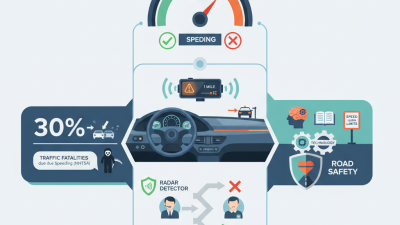
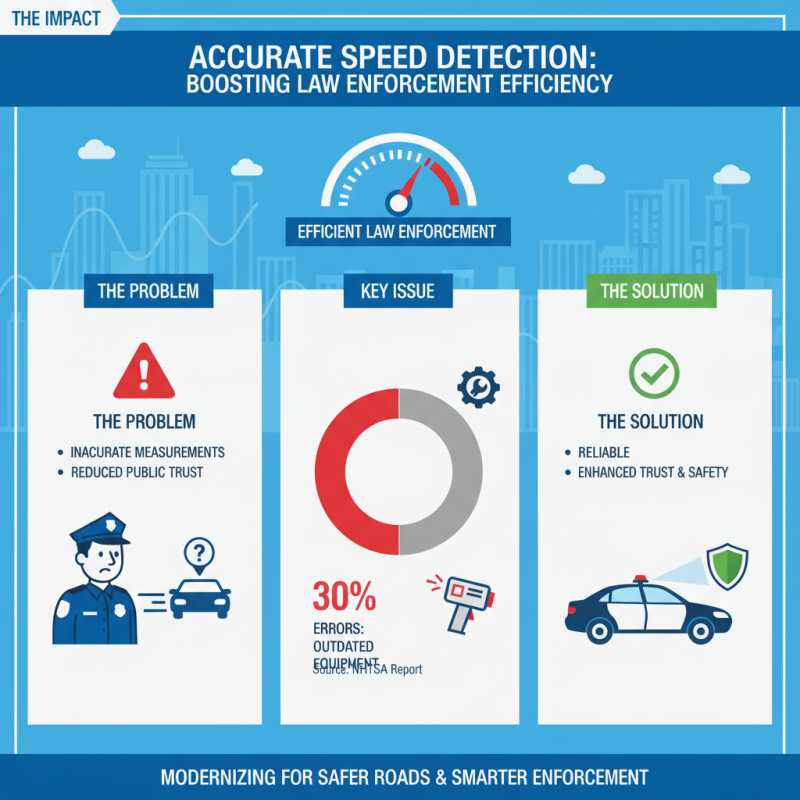
Accurate speed detection plays a crucial role in enhancing law enforcement efficiency. Inaccurate measurements can lead to wrongful tickets and reduced public trust. According to a report by the National Highway Traffic Safety Administration, nearly 30% of speed detection errors are due to outdated equipment. This raises concerns about the reliability of speed enforcement measures in cities across the country.
Using advanced speed detectors significantly improves measurement accuracy. In studies, agencies that upgraded their technology observed a 40% decrease in disputes over speed violations. This not only saves time for officers but also allows for a more streamlined legal process. Officers can focus on effective enforcement rather than handling a barrage of erroneous claims.
While technology does provide benefits, there are limits to consider. Even the best detectors can misread speeds under certain conditions, such as poor weather or heavy traffic. Acknowledging these shortcomings is essential for continual improvement. Enhanced training programs can address these issues, guiding officers on how to effectively use their tools while being aware of potential pitfalls.