What are the Most Effective Road Safety Signs for Buyers?
Road safety signs play a crucial role in preventing accidents and ensuring safe driving conditions. According to the National Highway Traffic Safety Administration (NHTSA), a significant percentage of accidents can be attributed to poor visibility of these signs. Investing in effective road safety signs can drastically reduce these incidents. Statistics show that clear and reflective signs can enhance driver awareness, leading to a potential reduction of up to 30% in collision rates.
Moreover, different regions may require specific signs based on local traffic patterns. The Federal Highway Administration (FHWA) emphasizes the importance of using standardized signage for consistency across jurisdictions. This uniformity aids in driver recognition and adherence to road rules. Yet, not all signs deliver equal effectiveness. Some signs may fade over time or become obscured by vegetation, leading to missed alerts. Understanding these issues can empower buyers to choose high-quality options that meet safety standards.
In a constantly evolving traffic landscape, road safety signs must adapt. Technological advancements have introduced digital signs for real-time updates. However, the effectiveness of traditional signs remains undervalued. Buyers must weigh the benefits against the costs, reflecting the balance between innovation and reliability. Ultimately, the responsibility lies with buyers to ensure their selected road safety signs provide maximum visibility and clarity on the roads.
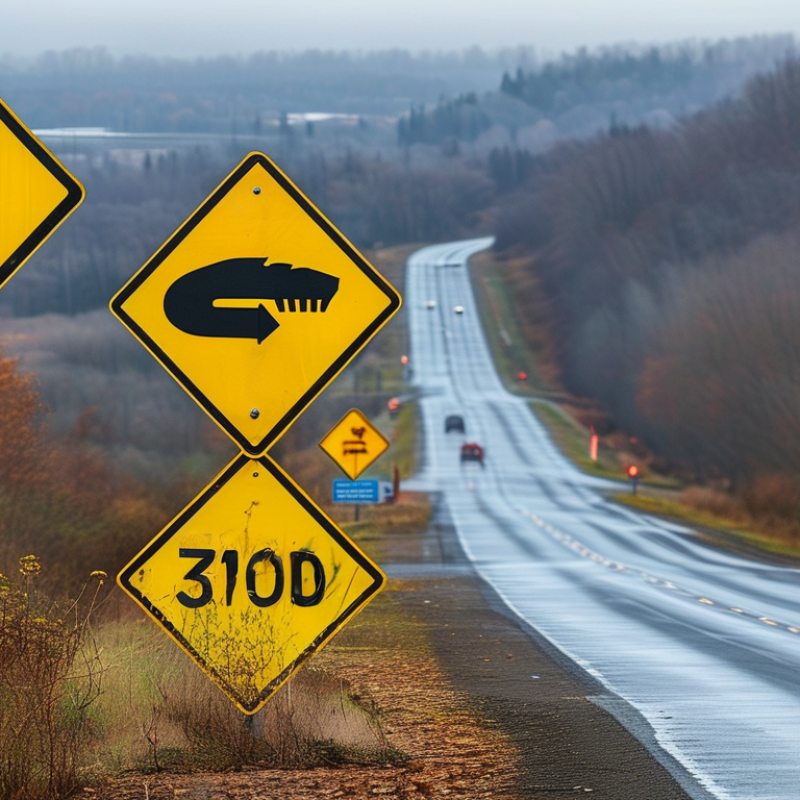
Types of Road Safety Signs and Their Functions
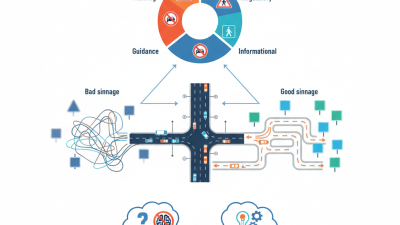
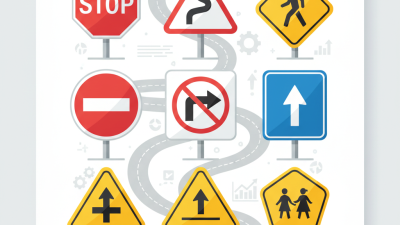
Road safety signs are vital for maintaining safety on our roads. They serve different functions, helping drivers and pedestrians navigate safely. Warning signs, for instance, alert drivers to potential hazards ahead. These include slippery road signs and pedestrian crossings. Their bright colors and clear symbols ensure visibility even in poor weather.
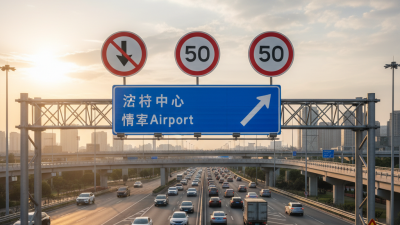
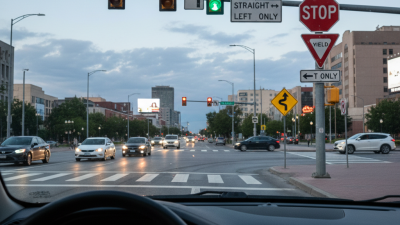
Regulatory signs are essential as well. They inform drivers of rules that must be followed. Speed limit signs enforce safe driving speeds. Stop signs require vehicles to halt and ensure the road is clear. These signs are usually marked with bold colors and standard symbols, making them instantly recognizable.
Informational signs guide and assist road users. They can indicate directions and services available nearby. However, even the best road signs can be ignored. Drivers may overlook them when distracted. It’s crucial to not take these signs for granted. Ensuring they are placed correctly and maintained is an ongoing effort. Effective road signs must evolve with road usage and driver behavior.
Factors to Consider When Choosing Road Safety Signs
Selecting the right road safety signs can significantly impact driver behavior and overall road safety. When choosing these signs, visibility is a critical factor. Studies show that signs with high reflectivity can reduce accidents by up to 30%. Bright colors and large fonts enhance readability. A sign's placement is equally important; it should be positioned where drivers can easily see it without distraction.
Consider the type of traffic in your area. For instance, urban settings may require different signage compared to rural ones. Moreover, it's vital to analyze local accident reports. Understanding accident hotspots can guide the selection of more effective signs. The Federal Highway Administration emphasizes that targeted signage can decrease incident rates by 25% in high-traffic areas.
Lastly, the durability of road signs matters. Signs need to withstand various weather conditions while maintaining their visibility. Investing in long-lasting materials can ensure the signs remain effective over time. Regular maintenance checks are also essential. Over time, sign visibility and effectiveness can diminish due to wear and tear, leading to potential safety risks.
What are the Most Effective Road Safety Signs for Buyers? - Factors to Consider When Choosing Road Safety Signs
| Sign Type |
Visibility |
Durability |
Reflectivity |
Ease of Installation |
| Stop Sign |
High |
High |
Medium |
Easy |
| Yield Sign |
High |
High |
Medium |
Easy |
| Speed Limit Sign |
High |
Medium |
High |
Medium |
| Pedestrian Crossing Sign |
High |
Medium |
High |
Medium |
| Construction Sign |
Medium |
High |
Medium |
Easy |
The Importance of Visibility and Recognition in Road Signs
Visibility is crucial for road safety signs. Well-designed signs need to stand out in various weather conditions. A bright color palette can enhance their visibility. For instance, neon yellow and reflective materials can catch a driver's attention even at night. This attention can reduce accidents significantly.
Recognition is another essential factor. Drivers must quickly understand the message. Symbols should be clear and universal. A simple image often conveys a message faster than words. For example, a stop sign's octagonal shape is instantly recognizable. However, some signs may confuse drivers. Redundant information can make comprehension difficult.
Evaluating the effectiveness of road signs is vital. Feedback from drivers will reveal which signs are clear and which are not. Testing different designs in real-world scenarios can help improve them. This reflection can lead to better signage systems and ultimately enhance road safety. It's an ongoing process that requires community involvement and expert input.
Effective Placement and Maintenance of Road Safety Signs
Effective placement and maintenance of road safety signs are crucial for reducing accidents. Signs need to be visible from a distance. Drivers should easily spot them in various weather conditions. Regular inspections ensure signs are not obscured by vegetation or dirt. A clean sign is more likely to grab attention and convey messages effectively.
The height and position of signs also matter greatly. Placing them at eye level enhances visibility. Avoiding placement near distractions, like billboards, can further improve focus. Moreover, using reflective materials ensures signs are visible at night.
Regular maintenance is key to road safety. Signs that are torn or faded lose their effectiveness. Communities should develop a routine maintenance plan. Engaging local volunteers can be a cost-effective way to keep signs in top condition. We must remember that ensuring safety is everyone’s responsibility. Signs should be treated with respect. Neglecting them can lead to dire consequences.
Case Studies of Effective Road Safety Sign Usage in Different Regions
In various regions, the impact of road safety signs can be profound. A study highlighted that regions adopting
reflective signs saw a 30% drop in nighttime accidents.
This data showcases the critical role visibility plays in ensuring driver safety. Reflective materials help increase sign
effectiveness, particularly in areas with limited lighting.
Another case study from a rural area demonstrated that clear, simple language on signs dramatically improved
compliance among drivers. The local authorities improved sign clarity, resulting in a 20% decrease
in speed-related incidents. The findings suggest that what may seem like minor adjustments can lead to significant
safety improvements.
However, not all regions implement these best practices. Some still use outdated or confusing signs.
This inconsistency can lead to driver frustration and increased risk. Stakeholders must continuously assess and improve
signage quality to adapt to changing traffic patterns. The road safety landscape requires ongoing evaluation and
adaptation to be truly effective.