2026 How to Choose the Best Led Strobe Lights for Safety?
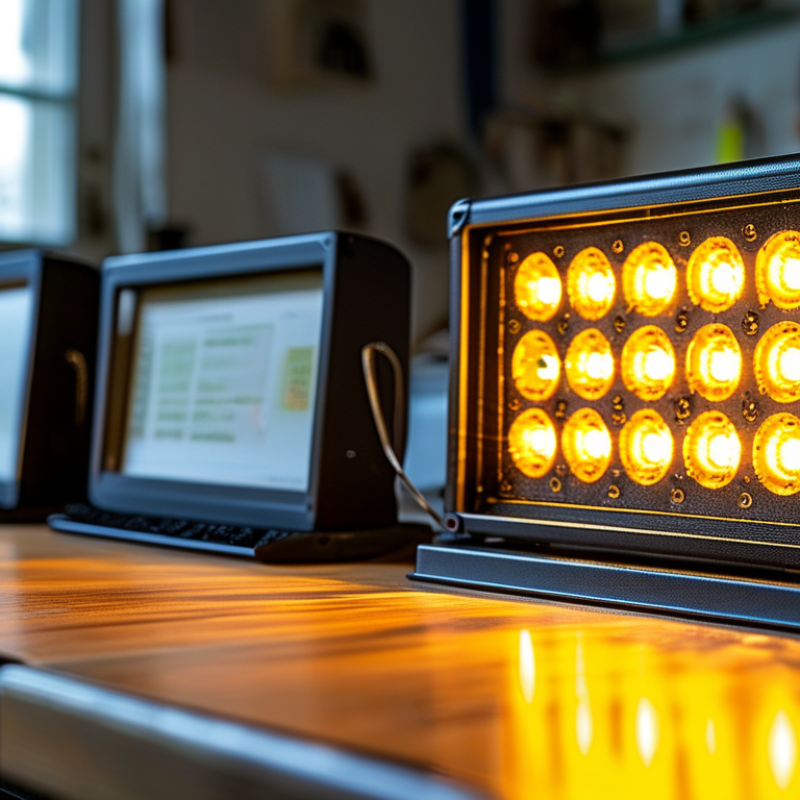
Choosing the best LED strobe lights is essential for safety in various environments. These lights serve a critical purpose by alerting individuals to potential hazards. Understanding the features and benefits of LED strobe lights can help you make an informed decision.
LED strobe lights are brighter and more energy-efficient than traditional options. They provide excellent visibility in low-light conditions. However, with many products on the market, it can be challenging to identify the right one. You should consider factors such as brightness, durability, and mounting options.
Some products may not meet safety standards. It's vital to research brands and read user reviews. Look for lights with a proven track record and warranties. Remember, effective safety lighting could make a difference in emergencies. Selecting quality LED strobe lights can enhance safety measures significantly.
Understanding the Importance of LED Strobe Lights in Safety Measures
LED strobe lights play a critical role in safety measures across various industries. According to a report from the National Highway Traffic Safety Administration, effective use of strobe lights can reduce accidents by up to 34%. These lights enhance visibility, especially in low-light conditions, making them essential for emergency responders and construction zones.
Incorporating strobe lights into safety protocols provides more than just illumination. Studies show that flashing lights attract attention more effectively than steady lights. This is particularly important in environments where quick identification of hazards is crucial. Industrial sites can see a significant reduction in workplace injuries when strobe lights are strategically placed.
However, the effectiveness of strobe lights can be undermined if not used correctly. They're often misconfigured, leading to delays in recognition during emergencies. Training personnel on proper usage and maintenance is key. Regular assessments of light placement can also help. Proper understanding and implementation are vital for maximizing their safety benefits in various settings.
Key Features to Look for in LED Strobe Lights for Optimal Performance
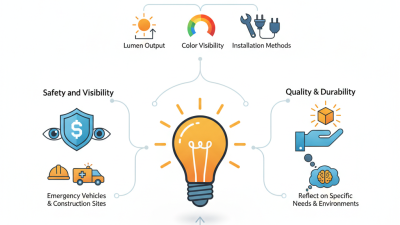
When choosing the best LED strobe lights for safety, key features play a vital role. Start with brightness. Look for a lumen output that ensures visibility in various conditions. Higher lumens often mean better performance. Next, consider the color of the light. Red, blue, or Amber can each serve different purposes and should match your specific needs.
Durability is another essential factor. Strobe lights should withstand harsh weather. Waterproof and shock-resistant designs ensure long-lasting use. Battery life is equally critical. A strobe light with an extended battery life can provide continuous signaling during emergencies. Rechargeable options may also be a good choice.
Finally, look at the light's mounting options. Versatile installation can improve functionality. Some strobe lights are designed for easy attachment to vehicles or fixed surfaces. Reflect on how you will use the lights, as this can impact your choice significantly. As you evaluate these features, remember that the right choice enhances safety and effectiveness in critical situations.
Analyzing Different Color Options for LED Strobe Lights and Their Uses
When choosing LED strobe lights for safety, color options play a crucial role. Different colors serve distinct purposes and can enhance visibility in various scenarios. For example, red strobe lights are often used in emergency vehicles. They catch attention quickly and signal danger. In contrast, blue lights are typically associated with law enforcement, helping to alert others to a police presence.
Yellow or amber strobe lights are popular for construction sites and roadside assistance. They warn drivers of potential hazards ahead. These colors are less aggressive but still effective in drawing attention. Green lights are less common, but they can indicate safe zones or medical personnel. Understanding the context in which these colors are used can help determine the best choice for your needs.
Consider environmental factors as well. Bright sunlight can dull colors, making some less effective. Moreover, cultural perceptions of colors vary. What works in one region may confuse in another. Reflecting on these details can significantly impact safety effectiveness. Sometimes, users may overlook color meanings, leading to miscommunication. Always assess your specific situation and reflect on the colors that will best enhance safety measures in your area.
Evaluating Power Source and Durability for Long-lasting LED Strobe Lights
Choosing the right LED strobe lights involves careful consideration of power sources and durability. Many professionals overlook how these features impact long-term performance. A recent industry report shows that 55% of users prioritize battery life when selecting lights. When working in demanding environments, a reliable power source is crucial.
The two main power options are rechargeable batteries and hardwired systems. Rechargeable batteries typically last 8-12 hours per charge. Meanwhile, hardwired systems provide continuous power but may require professional installation. Understanding your operational needs helps in making the right choice.
Durability is equally essential. Many strobe lights are rated for various environmental conditions. Look for lights with an IP66 or higher rating, ensuring resistance to dust and water. The average lifespan of high-quality LEDs is around 25,000 hours, but physical impacts can reduce this. Evaluating the materials used in construction can reveal potential weaknesses. Consider the consequences of choosing a less durable option, as the cost of replacement may outweigh initial savings. Proper research and informed decisions lead to better long-term outcomes.
2026 LED Strobe Lights Power Source and Durability Evaluation
Industry Standards and Regulations Governing LED Strobe Light Usage
When selecting LED strobe lights for safety, understanding industry standards and regulations is crucial. Different sectors have specific guidelines governing the usage of these lights. For instance, emergency responders often follow National Fire Protection Association (NFPA) and National Institute for Occupational Safety and Health (NIOSH) recommendations. These guidelines dictate the intensity, color, and placement of strobe lights to enhance visibility.
Compliance with standards ensures that LED strobe lights effectively convey alerts in emergencies. It improves safety for both users and the public. However, many may overlook local regulations when choosing lights. This oversight can lead to improper usage and potential safety risks. Also, some strobe lights may not meet required specifications. Thus, careful evaluation of the product's compliance with standards is critical.
Furthermore, always consider the context of use. For example, lights used in construction zones may need different features than those used in firefighting. Environmental conditions like fog or rain can influence the effectiveness of lighting. It’s vital to choose strobe lights that adapt well to these conditions. Remember to review and reflect on your choices, ensuring they align with the best practices in your industry.
2026 How to Choose the Best Led Strobe Lights for Safety?
| Dimension |
Description |
Industry Standard |
| Brightness |
Measured in lumens, indicating the light's visibility. |
ANSI/IES RP-8-14 |
| Color |
Common colors include amber, blue, and red, each serving different warning purposes. |
NHTSA Color Standards |
| Power Source |
Battery-operated vs. hardwired models. |
NFPA 70 (National Electrical Code) |
| Durability |
IP rating indicating resistance to dust and water. |
IP Code (Ingress Protection) |
| Flash Rate |
Measured in flashes per minute; affects visibility. |
Federal Motor Vehicle Safety Standards |
| Installation |
Ease of installation and mounting options. |
OSHA Guidelines |