10 Essential Road Safety Tips for Global Buyers to Know
Road safety is a crucial consideration for global buyers, especially when navigating new environments. Understanding local traffic laws and cultural attitudes toward driving can make a significant difference. In some countries, road conditions vary widely. Poor infrastructure can lead to hazards that are not immediately visible.
Moreover, knowing essential road safety tips can help prevent accidents. It is vital to adopt defensive driving practices, as being aware of your surroundings can save lives. Factors like weather, pedestrian behavior, and local driving norms all require attention. Even small distractions can lead to serious consequences.
Buyers should also familiarize themselves with the types of vehicles common in the region. Some may be less equipped with safety features. Researching vehicle reliability and safety ratings can be beneficial. It's not only about reaching a destination but doing so safely and responsibly. Reflecting on these aspects can enhance overall travel experiences.
Key Principles of Safe Driving for International Travelers
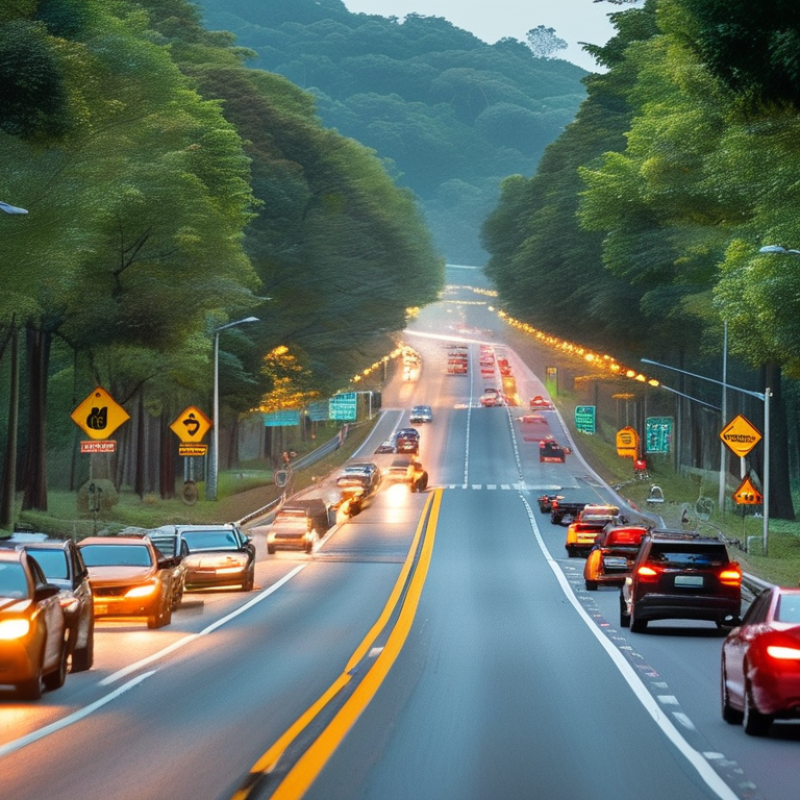
Driving varies greatly across countries. Rules differ, and so do road conditions. Understanding local traffic regulations is crucial. International travelers should do thorough research before hitting the road. Familiarize yourself with common signs and signals in the area you are visiting. This knowledge builds confidence and ensures safety.
Speed limits can change unexpectedly. Pay close attention to road signs, as they guide your driving behavior. Also, consider cultural differences in driving styles. Some places may be more aggressive, while others might prioritize caution. Take a moment to reflect on your driving habits. An open mindset can improve your safety. Pack a basic first-aid kit. You never know what surprises may arise on the road.
Lastly, ensure your vehicle is in good condition. Check tires, brakes, and lights before departure. A little preparation can prevent major issues. Trust your instincts—if something feels off, it probably is. Stay alert and ready for the unexpected. Safe driving is a collective responsibility, so do your part.
10 Essential Road Safety Tips for Global Buyers to Know
| Tip |
Description |
Importance |
| 1. Familiarize Yourself with Local Traffic Rules |
Research and understand the specific traffic laws in the countries you will be visiting. |
Helps avoid legal issues and ensures safer driving. |
| 2. Always Wear Seatbelts |
Make it a habit to buckle up, regardless of your seat position. |
Reduces the risk of injury during an accident. |
| 3. Avoid Distractions |
Stay focused on the road by minimizing phone use and other distractions. |
Increases reaction time and reduces the likelihood of accidents. |
| 4. Adjust to Weather Conditions |
Drive according to the weather, slowing down in rain or snow, for example. |
Prevents skidding and loss of control in adverse conditions. |
| 5. Use Turn Signals |
Indicate your intentions to other drivers early and clearly. |
Helps prevent accidents by enhancing predictability on the road. |
| 6. Keep a Safe Distance |
Maintain a safe following distance from the vehicle ahead to allow for sudden stops. |
Reduces the chance of rear-end collisions. |
| 7. Do Not Drink and Drive |
Avoid alcohol consumption before driving to ensure clear judgment. |
Essential for preventing DUI offenses and accidents. |
| 8. Know Emergency Procedures |
Understand what to do in case of an accident or vehicle breakdown. |
Critical for ensuring personal safety and effectively handling emergencies. |
| 9. Use GPS and Maps |
Use navigation tools to avoid getting lost and to stay on safe routes. |
Enhances route planning and reduces stress during travels. |
| 10. Respect Pedestrian Rights |
Always yield to pedestrians at crossings and be vigilant in crowded areas. |
Ensures safety for all road users and compliance with laws. |
Understanding Local Traffic Laws: A Global Perspective
Understanding local traffic laws is crucial for global buyers. Different countries have distinct rules, and familiarity can prevent costly mistakes. For example, in some places, turning right on red is allowed, while in others, it’s illegal. This variation can lead to serious fines or accidents.
Wearing seatbelts is mandatory in many regions. However, enforcing this rule varies. In some countries, police may turn a blind eye, while in others, they rigorously enforce it. Familiarizing yourself with these nuances helps ensure safety.
Pedestrian rights also differ widely. In some cities, jaywalking is tolerated, while in others, it can lead to hefty fines. Understanding these details enhances your safety, and it also shows respect for local customs. By paying attention to traffic signals and markings, you can navigate confidently. It might feel overwhelming, but adapting to local laws is essential for a safe journey.
Essential Vehicle Inspection Checks Before Travel
Before embarking on a journey, ensuring your vehicle is in top shape is essential. According to the National Highway Traffic Safety Administration, nearly 23% of vehicle crashes result from mechanical failures. Basic vehicle inspections can help prevent these incidents.
Check tire pressure and tread depth. Under-inflated tires can reduce fuel efficiency and increase the risk of blowouts. A simple gauge can help you monitor this. Ensure the brakes function properly; they are your primary safety feature. Research suggests that 30% of accidents are linked to brake failures. Inspecting your brake pads and fluid levels can be life-saving.
Additionally, don’t forget to examine your lights and signals. Proper lighting increases visibility and communicates your intentions to other drivers. According to a study by the AAA, vehicles with non-functional lights are three times more likely to be involved in accidents at night. Simple checks can often reveal problems. Ignoring them could lead to dire consequences while on the road. Regular inspections create a safer travel experience. It’s a step worth taking.
10 Essential Road Safety Tips for Global Buyers to Know
Navigating Different Road Conditions Around the World
Navigating different road conditions worldwide can be challenging for travelers. For instance, the World Health Organization reports that road traffic injuries lead to approximately 1.35 million deaths annually. This statistic highlights the importance of understanding local driving practices. In many countries, road rules and conditions differ significantly. From the narrow lanes of rural India to the high-speed highways in Germany, each environment requires a unique approach.
Weather conditions also play a crucial role in road safety. According to the National Highway Traffic Safety Administration, nearly 22% of car crashes are weather-related. Rain, snow, and fog can dramatically affect visibility and road traction. In regions prone to such weather, it's essential to adjust driving habits accordingly. Slower speeds and increased following distances can help mitigate risks in these situations.
Cultural factors influence driving behavior as well. In some countries, honking is common, reflecting a different communication style on the road. This can be disconcerting for drivers from more subdued traffic cultures. Understanding these nuances can improve overall safety. Keeping in mind local customs and regulations is vital for a safer journey. While road safety is a shared responsibility, being aware of these variances can help travelers navigate safely across borders.
Emergency Procedures: Staying Safe in Unforeseen Situations
When traveling internationally, understanding emergency procedures is crucial. According to the World Health Organization, over 1.35 million people die in road crashes annually. Global buyers must prioritize safety. Knowing what to do in unforeseen situations can reduce risk.
Always have an emergency contact list on hand. This list should include local authorities and your country's embassy. In case of an incident, knowing these resources can save time and lives. Additionally, understanding basic first aid can make a difference. The Red Cross emphasizes that every second counts in emergencies.
If you find yourself in a roadside emergency, stay calm. Move to a safe location if possible. Use hazard lights to alert other drivers. Always inform the local authorities about your situation. It may feel overwhelming, but clear communication aids quicker response times. Regularly reviewing these procedures could cultivate a habit that saves lives. Remember, preparation is the most effective strategy against risk.