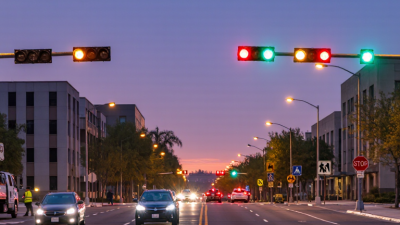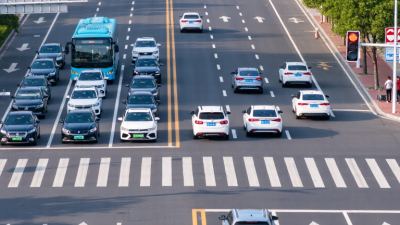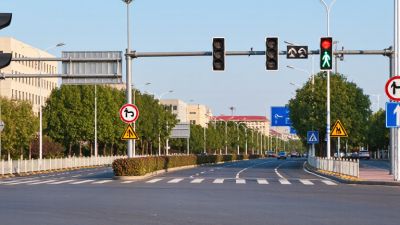
Choosing Traffic Signal And Road Signs in 2026 is not a matter of picking the brightest lamp or the largest sign. Each device must fit the road, the people using it, and the risks at that location. A signal near a school crossing faces different demands from one controlling several busy lanes. Small details matter: sight distance, glare, operating speed, nighttime visibility, and whether a sign remains clear behind tree branches.
The World Health Organization’s Global Status Report on Road Safety 2023 estimates that 1.19 million people die in road crashes each year. That figure is a sobering reminder: well-chosen traffic controls support safer, more predictable movement, though they cannot prevent every crash. The U.S. Federal Highway Administration’s 11th Edition of the Manual on Uniform Traffic Control Devices, published in 2023, provides detailed guidance for traffic control devices in the United States. Its provisions are a useful technical reference, not a universal rulebook; requirements vary by jurisdiction.
This guide explains how to compare signal types, sign materials, visibility features, durability, and maintenance needs in 2026. It also considers practical questions, such as whether a driver can read a sign in rain or recognize a signal through afternoon glare. Look closely. Product claims can sound impressive, but field conditions often expose their limits. No single specification fits every road, and that is easy to forget when comparing catalogs. The right choice depends on documented standards, site assessment, and ongoing inspection—not appearance alone.
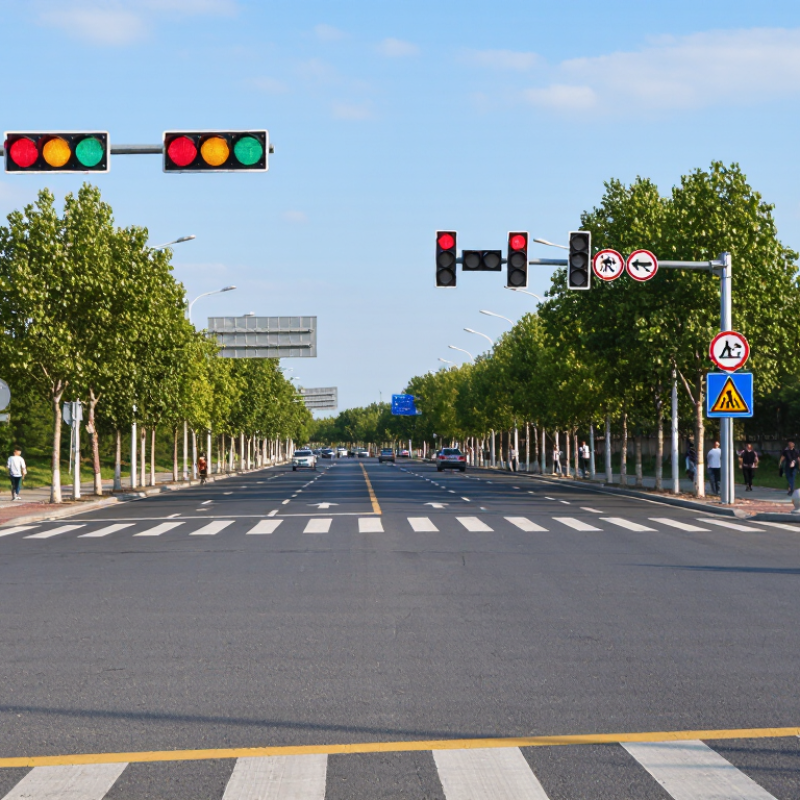
Choosing traffic signals and road signs starts with observing the street at different times, not just during a quiet site visit. Record vehicle speeds, turning movements, queues, and pedestrian crossings during peak and off-peak periods. FHWA’s Manual on Uniform Traffic Control Devices, 11th Edition, provides national guidance for consistent traffic-control devices. But a manual cannot replace a site-specific engineering study. Watch what drivers actually do.
Road geometry matters. A crest, sharp bend, tree canopy, or parked delivery truck can hide a sign or signal head. Check sight distance in daylight and after dark, then look for glare and confusing sign clutter. Count pedestrians and cyclists, including people crossing outside marked crossings. NHTSA’s Traffic Safety Facts reported 7,522 pedestrian deaths in 2022. That figure makes crossing visibility and adequate signal timing essential considerations, especially near bus stops, schools, and shops. Small details matter.
Match the device to the users and the conflict. A busy intersection with frequent turning traffic may need protected signal phases; a low-volume road may call for clear, well-placed warning signs instead. Review accessible crossing times, audible or tactile cues where appropriate, and sign legibility for older adults and people with low vision. Recheck the plan with local crash records and field observations. A tidy traffic count can still miss a school dismissal surge. That is worth questioning.

Compare the relative screening emphasis of signals and signs across common road conditions, traffic patterns, and user needs.
How to read this: Scores are an illustrative planning index from 1 (lower emphasis) to 5 (higher emphasis), not measured data or installation thresholds. Signals may warrant closer evaluation at busy intersections and complex crossings; signs are especially useful for communicating speeds, regulations, and temporary hazards. Select controls through a site-specific engineering study and applicable traffic-control standards.
Before selecting a signal or sign, confirm the rules that govern the specific road. In the United States, the Federal Highway Administration’s 11th Edition of the Manual on Uniform Traffic Control Devices, published in December 2023, sets national guidance for traffic control devices on roads open to public travel. States may adopt it with amendments, so check the current state version, local agency specifications, and project permits. A compliant symbol can still be wrong for a particular road.
Check more than the sign face. Review required dimensions, colors, placement, visibility distance, mounting height, and maintenance rules. At a signalized crossing, verify pedestrian indications and accessibility requirements against the standards that apply to the project. The National Highway Traffic Safety Administration reported 40,901 U.S. traffic deaths in 2023 in its annual traffic-safety data. That figure signals the stakes, but it does not tell you which device belongs at a particular intersection. Field conditions matter. Photograph sightlines from a driver’s approach, note trees or parked vehicles, and document why each device meets the governing standard. I would still recheck the adopted rules before ordering; updates and local exceptions are easy to miss.
A traffic signal must be easy to see before a driver reaches the stop line. Check the approach from a car, a bicycle, and the sidewalk. Look for branches, glare, curves, parked vehicles, and nearby lights that could compete with the signal. A clear view in daylight may disappear at dusk. Small details matter.
Choose signal placement and display size to suit road speed, lane layout, and viewing distance. Then assess brightness in both sun and darkness; overly dim indications can vanish, while excessive brightness may cause glare. Timing needs the same care. Observe actual traffic during busy and quiet periods, and allow enough time for people to cross at a comfortable pace. Avoid relying on one short site visit. Traffic patterns change, and field observations can miss them.
Accessibility should shape the design, not be added as an afterthought. Consider audible or tactile pedestrian indications where appropriate, clear crossing instructions, and controls that people can reach from a wheelchair. Keep the route to each button level and unobstructed. Test the crossing in person. A plan may look excellent on paper and still feel confusing beside moving traffic. No single setup suits every intersection; revisit it after installation, listen to user feedback, and adjust when real conditions reveal a weakness.
Choose a road sign by the action drivers need to take, not by how much information it can hold. A curve warning should appear before the bend, with enough distance for drivers to respond comfortably. At a school crossing, a clear pedestrian message is easier to process than several competing instructions. Keep wording brief. Every extra word takes attention from the road.
Placement matters as much as the message. Check the approach from a driver’s eye level, including at night and in wet weather. Trees, parked vehicles, glare, and road geometry can hide a sign that looks obvious on a plan. Where routes are complex, repeat or confirm essential guidance only when it supports a clear decision. More signs are not always better.
Visibility depends on contrast, size, lighting, and the time available to read the sign. Review the site at realistic travel speeds, and consider people walking, cycling, or using larger vehicles. Traffic signals should also fit the junction’s movement patterns and sightlines; signs must not compete with signal displays. Local standards and a qualified road-safety review can guide final choices. Field checks sometimes reveal awkward details that drawings miss. That is worth admitting. A small adjustment in placement may prevent confusion, but assumptions should be tested before installation.
Choosing traffic signals and signs in 2026 means planning beyond installation day. Start with a field review: check approach speeds, sightlines, pedestrian paths, night lighting, drainage, and nearby construction. Match sign size and signal visibility to actual conditions, not just a drawing. The FHWA’s 11th Edition MUTCD (2023) sets national guidance for traffic control devices, including their placement and maintenance. Small details matter. A tree that grows across a sign can undo a careful installation.
Set inspection intervals before equipment goes live. Walk each approach in daylight and after dark; look for faded sign faces, blocked sightlines, cracked lenses, loose hardware, and water in controller cabinets. Record the location, defect, photo, and repair date. FHWA’s Traffic Signal Timing Manual recommends reviewing signal timing about every three to five years, and sooner after major changes in traffic or street layout. That review should include pedestrian crossing time and observed queues, not only vehicle flow.
Maintenance plans need named staff, spare parts, and a way to report faults after hours. NHTSA recorded 40,901 U.S. traffic deaths in 2023; that figure is not a count of sign or signal failures, but it shows the safety stakes. A checklist can still miss a problem. Recheck repairs in the field, especially where glare, rain, or seasonal foliage changes visibility. Keep the records, and revise inspection routes when recurring defects appear.
| How to Choose Traffic Signals and Road Signs in 2026? - Plan Installation, Inspection, and Ongoing Maintenance | ||||
|---|---|---|---|---|
| Practical planning matrix for selecting, installing, inspecting, and maintaining common roadway traffic-control assets. | ||||
| Asset or decision | Selection and planning considerations | Installation checks | Suggested inspection routine | Maintenance actions and triggers |
| Traffic signal system | Use an engineering study to assess traffic volumes, crash history, pedestrian needs, and intersection operations. Confirm that a signal is warranted and coordinate the design with the roadway authority. | Verify approved signal plans, pole and foundation locations, clear sight lines, wiring, grounding, controller configuration, and conflict-monitor operation before opening. | Check signal operation during routine roadway visits; conduct a more detailed functional review at intervals set by the road authority and after reported failures or major changes. | Repair failed indications, damaged wiring, loose hardware, or cabinet faults promptly. Recheck timing and phasing after changes in traffic patterns or intersection layout. |
| Signal heads and lenses | Select signal displays and mounting arrangements appropriate to the approach, viewing distance, lane alignment, and applicable local standards. | Confirm each indication is visible from the intended approach, correctly aligned, securely mounted, and free from obstruction by trees, signs, or street furniture. | Include lenses, visors, backplates, mounting hardware, and indication operation in routine visual checks. | Replace cracked, faded, water-damaged, or malfunctioning components. Trim vegetation or adjust mounting where visibility is reduced. |
| Pedestrian signals and accessible features | Consider pedestrian crossing distance, crossing time, accessibility, and the needs of people with visual, hearing, or mobility disabilities. Apply adopted accessibility and signal requirements. | Check push-button location and reach, clear path to the crossing, audible and vibrotactile indications where required, and correct association with the crosswalk. | Test pedestrian indications and push buttons during routine checks; verify accessibility features after repairs or configuration changes. | Repair unresponsive buttons or failed indications. Reassess timing and accessible operation when crossing geometry or signal phasing changes. |
| Regulatory signs | Choose signs that communicate applicable rules, such as speed limits, stop control, or turn restrictions. Confirm the sign is authorized and consistent with local regulations. | Install at the location, height, orientation, and lateral clearance specified by the governing road authority and applicable standards. | Look for legibility, visibility, correct placement, vandalism, and damage during scheduled roadway inspections and after complaints or collisions. | Replace signs that are missing, unreadable, bent, or obscured. Restore visibility by clearing vegetation or correcting nearby obstructions. |
| Warning signs | Select the warning type and placement to match the actual hazard, such as a curve, intersection, crossing, or changing road condition. Avoid signs that could create unnecessary clutter. | Confirm the warning is visible with adequate advance notice for the road environment and is not concealed by other roadside features. | Inspect for readability, alignment, obstruction, and continued relevance when road geometry or nearby land use changes. | Replace damaged or faded signs and remove or update warnings when the hazard or roadway conditions have changed. |
| Sign materials and retroreflectivity | Choose a sign sheeting type and sign material that meet the road authority’s specifications for the sign use, environment, and expected service conditions. | Check that the sign face, legend, color, and sheeting match the approved design and that the installed face is oriented toward approaching traffic. | Use a documented inspection or management method to monitor nighttime visibility and condition. Inspection intervals and evaluation methods should follow the agency’s adopted program. | Replace signs that fail the agency’s applicable minimum retroreflectivity or condition criteria. Record the replacement date and sign location. |
| Posts, poles, and foundations | Specify supports and foundations for the site conditions, required clearances, and applicable breakaway or structural requirements. | Verify foundation placement, plumb alignment, fasteners, clearances, and protection of underground utilities before and after installation. | Check for corrosion, loose connections, impact damage, leaning, settlement, and exposed or deteriorated foundations. | Secure loose hardware and repair corrosion or foundation damage. Replace supports when structural integrity or required safety performance is compromised. |
| Work-zone traffic control | Develop a temporary traffic-control plan suited to the work duration, road type, traffic exposure, pedestrian access, and local requirements. | Set up devices in the approved sequence; verify sign placement, channelization, sight distance, and safe pedestrian routing before work begins. | Inspect the work zone at setup, during active work, and when conditions change; increase checks when devices are disturbed or visibility is poor. | Reset displaced devices, replace damaged signs or channelizers, and revise the setup when work limits, traffic conditions, or pedestrian routes change. |
| Asset records and maintenance planning | Maintain an inventory with asset type, location, installation date, specifications, and responsible maintenance unit to support budgeting and lifecycle planning. | Capture as-built locations, configuration details, test results, and acceptance records at handover. | Log inspection date, condition, defects, priority, and follow-up status in a consistent asset-management system. | Use defect severity and exposure to prioritize work. Review recurring failures and replacement needs as part of annual maintenance planning. |
| Implementation note: Inspection frequencies, installation dimensions, signal warrants, accessibility provisions, and sign performance requirements vary by jurisdiction and roadway context. Treat the routines above as planning guidance and verify all designs and maintenance decisions against current standards adopted by the responsible road authority. | ||||