How to Choose the Best Speed Detector in 2026?
In 2026, choosing the best speed detector requires careful consideration. With advancements in technology, the landscape of speed detection has evolved dramatically. Renowned expert Dr. Lisa Bennett, a leading figure in traffic safety technology, once stated, "The right speed detector can significantly reduce accidents and improve road safety." This highlights the importance of making an informed choice in selecting speed detectors.
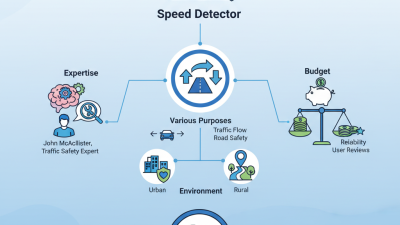
When assessing a speed detector, focus on accuracy, range, and ease of use. An effective device should offer precise readings in various conditions. Users often overlook the need for reliable data during different weather situations. Additionally, look for features that enhance usability. Some devices may have complex interfaces, which can be frustrating. A user-friendly design can make a significant difference.
It's important to note the pitfalls in making your selection. Many consumers are drawn to the latest models without understanding their actual benefits. Not all new technology guarantees improvements in performance. Reflect on your specific needs and the environments where you will use the speed detector. Being critical of marketing claims can lead to better decisions for personal or professional use.
Understanding Speed Detectors: Types and Technologies Available in 2026
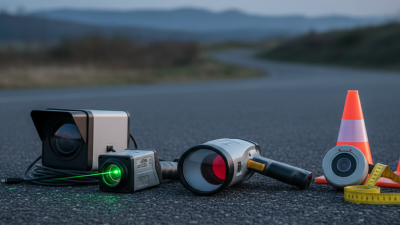
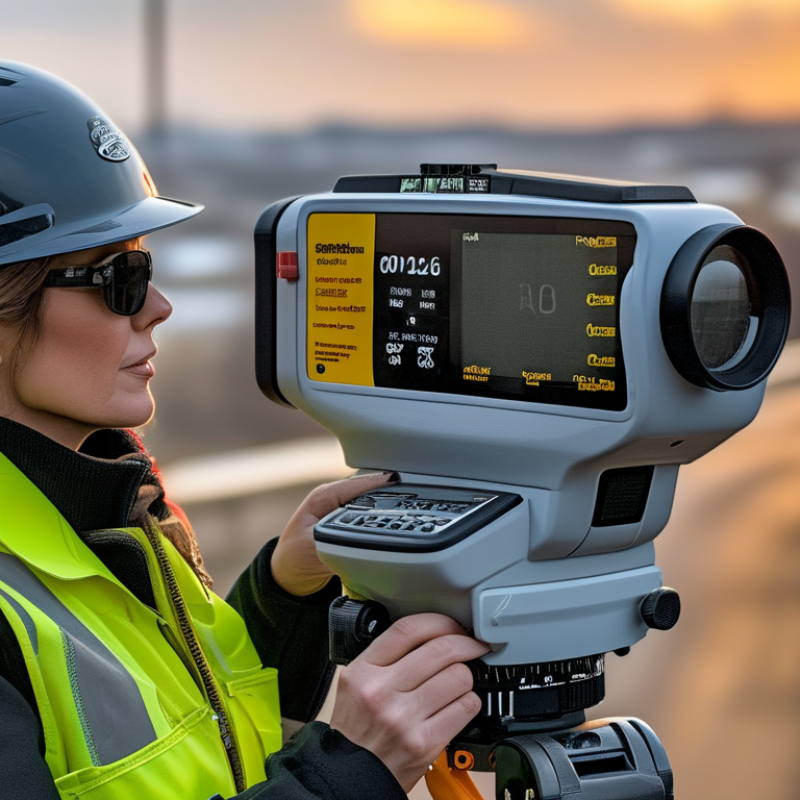
Speed detectors have evolved significantly, offering various types and technologies for 2026. Understanding these options helps in making informed choices. Traditional radar speed detectors remain popular for their reliability. They measure vehicle speed using microwave signals. These devices are widely used by law enforcement agencies and have proven effectiveness in speed monitoring.
Lidar technology is gaining traction due to its precision. Lidar speed detectors emit light pulses to measure the distance and speed of vehicles. Studies indicate that they can provide accuracy within 1 km/h. This technology addresses some drawbacks of radar systems, such as interference in heavy traffic. Interestingly, a recent report from the National Highway Traffic Safety Administration highlighted that lidar can provide better data under diverse conditions.
Another emerging solution is the use of smartphone apps, leveraging GPS data to monitor speed. Such apps offer convenience for personal use and help in raising awareness. However, these solutions might lack the reliability seen in professional devices. The variability in smartphone capabilities can affect accuracy. As users evaluate these technologies, weighing the pros and cons is crucial for making effective decisions on speed detection in 2026.
How to Choose the Best Speed Detector in 2026?
| Type of Speed Detector |
Technology Used |
Detection Range |
Price Range |
Key Features |
| Radar Detectors |
Ka, K, X-Band |
1,000 feet to 5,000 feet |
$150 - $600 |
Real-time alerts, GPS integration |
| Lidar Detectors |
Laser Technology |
600 feet to 2,000 feet |
$300 - $800 |
High accuracy, quick response time |
| GPS Speed Detectors |
Satellite Technology |
Unlimited, depending on satellite network |
$100 - $500 |
Mapping features, speed limit alerts |
| Bluetooth Speed Detectors |
Bluetooth Technology |
Varies with phone connectivity |
$50 - $200 |
Integration with mobile apps |
Key Features to Consider When Selecting a Speed Detector
When selecting a speed detector in 2026, several key features should be top of mind.
Accuracy is critical. A reliable speed detector should show precise readings
under various conditions. Inaccuracies can lead to dangerous situations. Look for devices that have been rigorously
tested for performance. This can often be found in user reviews or expert assessments.
Ease of use is another important factor. A user-friendly design can make all the difference.
Check for clear display options and straightforward controls.
If a speed detector is complicated, it can distract from the road. You want a tool that supports your driving
experience, not complicates it.
Lastly, consider the detector’s range. A device should effectively monitor a variety of distances,
particularly in high-speed zones. Do not rely solely on features that sound
great on paper; validate them through real-life testing if possible.
Tips: Always read user feedback thoroughly. Real experiences
can highlight strengths and weaknesses. Compare numerous options before making a decision. The perfect speed
detector combines reliability, design, and range to enhance your journey safely
on the road.
Evaluating Accuracy and Reliability in Speed Detection Devices
When considering speed detection devices, accuracy and reliability are paramount. Recent industry reports indicate that devices with a stated accuracy of within ±1 mph are more reliable. This level of precision is crucial for law enforcement and personal use alike. Many consumers may overlook the importance of calibration. Regular calibration ensures that devices continuously perform within their specified accuracy thresholds.
Tips: Always check if the device requires calibration. Some models may need adjustments after significant environmental changes.
Reliability is evaluated through comprehensive testing. Devices undergo rigorous evaluations under various conditions. According to a 2023 report by the National Institute of Standards and Technology, devices tested in diverse environments showed varying reliability rates. Some performed well in urban settings but faltered in rural areas. Investigate how a detector has been tested before purchase. Misleading marketing claims can result in subpar choices.
Tips: Look for reviews from credible sources. User feedback often highlights practical reliability missed in technical specs.
Comparing Price Ranges and Affordability of Speed Detectors
When considering speed detectors in 2026, price and affordability are critical factors. The market offers a variety of models, catering to different budgets. It’s essential to assess what features are necessary versus what may inflate costs unnecessarily. Many high-end detectors boast advanced features. However, basic models can still effectively alert users to speed limits without breaking the bank.
Affordability does not merely mean low price. Consider long-term costs, including maintenance and potential upgrades. A cheaper detector might save initial costs but could lead to more frequent replacements. Find a balance that suits your financial situation and usage patterns. Customer reviews can provide insight into both performance and durability.
Another aspect to reflect on is the value of investing in a quality product. Sometimes, a lower price might reflect compromises in accuracy and reliability. Striking a balance that prioritizes essential features without overspending is crucial. It’s a process that may require reevaluation as new models emerge. Seek to make informed decisions based on thorough research.
Comparing Price Ranges and Affordability of Speed Detectors in 2026
User Reviews and Recommendations: Finding the Best Model for Your Needs
When selecting a speed detector for 2026, user reviews can be invaluable. Real-life experiences often provide insight that technical specifications cannot. Many users emphasize ease of use as a critical factor. If a speed detector is hard to operate, frustration may overshadow its effectiveness. Some have noted that features like voice alerts or visual displays enhance usability and safety.
Reliability is equally important. Several reviews highlight how certain models perform well under various conditions. Users recommend paying attention to battery life and durability. One user's experience with a faulty unit after a few months raises questions. It's essential to consider long-term performance and warranty options. Questions about customer service responsiveness also arise. A reliable detector often comes with solid support.
Additionally, consider the detector's design. A compact size is a notable preference among users. They argue that a lightweight model is easier to carry. Others recommend adaptability for different environments. Reviews indicate that versatile devices can save money in the long run. However, users caution against overcomplicating features. A straightforward model often serves basic needs best.