How to Use a Speed Detector to Improve Your Driving Safety?
Driving safety is a critical concern for everyone. A Speed Detector is a valuable tool to help enhance that safety. It monitors your vehicle's speed and alerts you when you exceed the limit. This awareness encourages safer driving habits.
Using a Speed Detector can significantly reduce the risk of accidents. Many drivers struggle with speed regulation, especially in high-risk areas. Such devices provide real-time feedback, allowing drivers to adjust accordingly. This proactive approach can prevent costly mistakes and potentially save lives in the process.
Incorporating a Speed Detector into your driving routine may feel cumbersome at first. Adapting to its alerts takes practice. However, the long-term benefits far outweigh the initial discomfort. Ultimately, improving your driving safety should be a priority. A Speed Detector can play an essential role in achieving that goal.
Understanding the Basics of Speed Detectors and Their Functionality
Speed detectors are essential tools for enhancing driving safety. They monitor vehicle speed in real time, alerting drivers when they exceed safe limits. The National Highway Traffic Safety Administration (NHTSA) reports that speeding contributes to nearly one-third of all traffic fatalities in the United States. Understanding how these devices work can help drivers make informed decisions on the road.
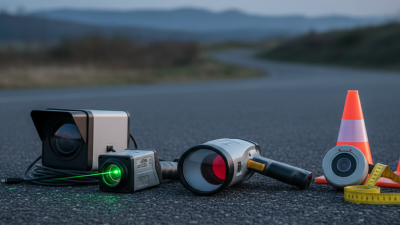
Speed detectors typically use radar or laser technology. This allows them to gauge the speed of oncoming vehicles accurately. Adequate driver feedback is crucial. The sight of a speed limit sign is often not enough. Studies show that when drivers receive immediate feedback from a speed detector, they are more likely to adjust their speed accordingly. It makes a tangible difference. A report by the Insurance Institute for Highway Safety indicates that speed limit adherence improves by 20% with these devices in use.
However, awareness about speed detectors is still limited. Some drivers may doubt their accuracy or effectiveness. This skepticism can lead to poor decision-making. Recognizing the technology's potential can foster a safer driving culture. Bridge the gap between doubt and understanding. Educating yourself about speed detectors can pave the way for smarter driving habits.
Types of Speed Detectors Available for Drivers
Speed detectors play a crucial role in enhancing driving safety. For drivers, understanding the types of speed detectors available can improve their on-road experience. Most commonly, there are radar detectors, laser detectors, and GPS-based speed detectors.
Radar detectors use radio waves to detect police speed traps. According to a report by the National Highway Traffic Safety Administration, these devices can reduce speeding incidents by approximately 25% among users.
Laser speed detectors use light pulses to measure speed. They are highly accurate and can pinpoint a vehicle's speed from over a thousand feet away.
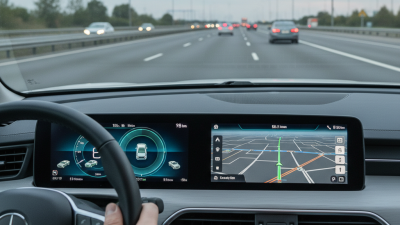
A study from the Insurance Institute for Highway Safety found that areas with laser enforcement saw a 20% decrease in traffic accidents. On the other hand, GPS-based speed detectors not only monitor speed but also provide real-time data on traffic conditions. This is an essential tool for long-distance drivers.
Despite these benefits, not all drivers use speed detectors responsibly. Some may become overly reliant on them, leading to complacency. Data shows that while speed detectors can help, they do not eliminate the need for attentive driving. Finding a balance between utilizing technology and maintaining awareness is key to driving safely.
Speed detectors are tools, not crutches.
How to Properly Install and Use a Speed Detector
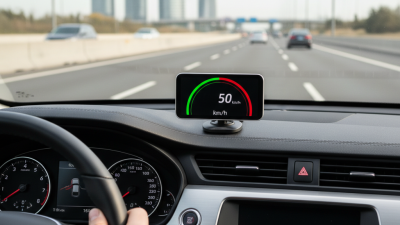
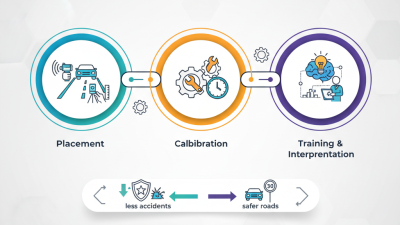
To effectively use a speed detector, proper installation and usage are key. Start by selecting a location where your device will have a clear line of sight. This ensures accurate readings. Mount the speed detector securely, preferably on the dashboard or windshield, using strong adhesive or a cradle. Check the angle; it should face straight ahead for the best results.
When using the speed detector, be proactive. Pay attention to the alerts it provides. If the device beeps or flashes, adjust your speed accordingly. Many drivers forget to glance at their detectors regularly, which reduces their effectiveness.
Tips: Regularly check the device’s battery life. A low battery can lead to false readings. Familiarize yourself with the features. Advanced models may offer various settings for different driving conditions. Always remember to calibrate the device as per the manufacturer's guidelines; improper calibration can mislead your speed perception. Take time to reflect on how often you rely on technology. It’s easy to let devices do the thinking, but staying engaged is crucial for safe driving.
Speed Detector Usage Impact on Driving Safety
This chart illustrates the impact of using speed detectors on reducing accident rates over time. As shown, drivers experience a significant reduction in accident rates shortly after implementing speed detectors into their driving habits, with a notable improvement seen at each subsequent timeframe.
Integrating Speed Detectors with Safe Driving Habits
Integrating speed detectors into your driving routine can enhance safety significantly. These devices alert you when you exceed the speed limit, allowing you to adjust your driving habits in real-time. By consistently checking your speed, you develop a better awareness of your driving patterns. This newfound awareness can lead to more responsible driving choices.
Creating safe driving habits goes hand-in-hand with using speed detectors. For instance, if you notice frequent alerts, it might be time to reflect on your speed management. Are you rushing to meet deadlines? This can lead to reckless behavior. Setting personal speed limits below the posted ones could be an effective strategy. Such small adjustments make a big difference on the road.
Being mindful of speed is not just about obeying laws; it's about protecting lives. Engaging in regular conversations about safe driving can foster a supportive community. This encourages accountability among friends and family. Embracing a culture of safety is essential, and using speed detectors is a practical step towards this goal.
Benefits of Using a Speed Detector for Enhanced Road Safety
Using a speed detector can significantly enhance road safety. This tool alerts drivers when they exceed speed limits, helping prevent accidents. Speed detectors promote awareness, making drivers more mindful of their speed. This can reduce the likelihood of collisions and save lives.
Incorporating speed detectors into your driving routine is essential. Here are some tips to maximize their benefits. Regularly check your device for updates. Ensure it functions correctly. Make a habit of reviewing your driving speed. Observing your speed can lead to better control. Additionally, educate passengers on the importance of safe driving.
Stay focused on the road. Distractions can lead to speeding. Being conscious of your speed helps maintain safe driving habits. Remember, safety should always come first. Engaging in discussions about speed limits with friends can strengthen your commitment.
Driving within limits is crucial. Speed detectors offer peace of mind, but they need your attention. Reflect on your driving behavior periodically. Are you too comfortable going over the speed limit? Such reflections can lead to a safer driving experience for everyone.
How to Use a Speed Detector to Improve Your Driving Safety? - Benefits of Using a Speed Detector for Enhanced Road Safety
| Benefit |
Description |
Impact on Safety |
| Increased Awareness |
Speed detectors alert drivers when they exceed the speed limit, promoting mindfulness of driving speed. |
Reduces the risk of speeding-related accidents. |
| Data Recording |
Many speed detectors log speed history, allowing for better analysis of driving patterns. |
Helps in identifying and correcting unsafe driving behaviors. |
| Feedback Mechanism |
Audible or visual alerts from the detector provide immediate feedback on speed. |
Encourages compliance with traffic laws. |
| Enhanced Decision Making |
Real-time speed data helps drivers make informed decisions regarding speed adjustments. |
Improves overall road safety for drivers and pedestrians. |
| Cost Savings |
Using a speed detector can minimize the risk of fines and accidents. |
Financial savings from avoiding penalties and insurance claims. |