What are the Best Stop Sign Types for Global Buyers in 2026?
In the fast-evolving landscape of traffic safety, the importance of Stop Signs cannot be overstated. According to a 2023 study by the Global Traffic Safety Association, properly designed and placed Stop Signs can reduce intersection accidents by up to 30%. Expert Linda Carter, a leading authority in traffic safety, emphasizes, “The right Stop Sign type is crucial for effective risk management.”
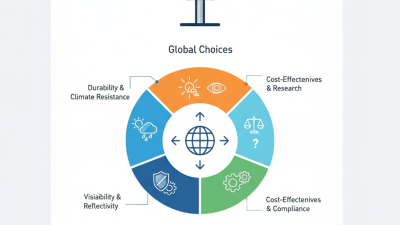
As we approach 2026, global buyers face a multitude of choices in Stop Sign types. Materials, sizes, and reflectivity levels vary widely, impacting visibility and durability. Recent reports highlight that retroreflective signs are now favored, as they enhance visibility in low light conditions. However, some regions still rely on older models that may not meet current safety standards.
Navigating this market requires careful consideration. While traditional Stop Signs have served communities for decades, innovation in design and materials could enhance safety. Evaluating the best Stop Sign types involves weighing reliability and cost. The future of traffic safety largely hinges on informed decisions made by stakeholders. Revisiting the effectiveness of existing signs could usher in significant improvements.

Overview of Global Stop Sign Standards and Regulations in 2026
In 2026, global stop sign standards are evolving. Many countries are revisiting their traffic regulations. This shift aims to improve road safety. Design elements are crucial for visibility. Countries may use distinct colors or reflectivity. Consistency is key for a clearer driver understanding.
Regulations often vary by region. Some areas follow the Vienna Convention on Road Signs. Others have their own rules, leading to potential confusion. It’s essential to ensure that stop signs meet local criteria. This increases recognition and compliance. Reflective materials are becoming standard worldwide. They enhance visibility at night and during adverse weather conditions.
While many efforts are underway, challenges remain. Diverse languages create barriers in multicultural areas. Some regions may lack resources to implement changes. Stakeholders must work together on solutions. Innovative designs could bridge these gaps. Incorporating local feedback is vital for successful implementation.
Emerging Stop Sign Technologies: Innovations and Trends for Buyers
Emerging stop sign technologies are reshaping road safety for global buyers. In 2026, advanced materials and smart technology are expected to lead the way. New reflective coatings can enhance visibility in low-light conditions. These innovations make stop signs clearer, reducing accidents at critical intersections.
Solar-powered and GPS-enabled signs offer even more benefits. They can adjust brightness based on environmental conditions. This adaptability is crucial in diverse climates. Buyers should consider ease of installation and maintenance. Innovative designs are often more durable but can also be harder to replace or repair.
Another area of innovation is the integration of digital displays. These signs can convey messages based on traffic conditions. While this technology is promising, it raises questions about reliance on digital systems. Battery failures or software bugs could create new risks on the road. It’s essential for buyers to weigh these factors against the potential benefits to enhance roadway safety effectively.
Comparative Analysis of Material Durability in Stop Sign Production
When choosing the best stop sign types for global buyers in 2026, material durability stands out as a crucial factor. Durable materials ensure signs withstand various weather conditions. Common materials include aluminum, fiberglass, and high-impact plastic. Each option has strengths and weaknesses. For instance, aluminum is lightweight yet prone to corrosion. In contrast, fiberglass offers resilience, but its cost can be prohibitive.
A closer examination of materials reveals some surprising insights. High-impact plastics can be surprisingly effective, often lasting longer than expected. However, their resistance to fading varies greatly with environmental factors. Buyers must consider the specific climate of their regions when making choices. Sign longevity hinges not just on material but also on proper installation and maintenance.
Choosing the right material involves more than cost analysis. It's essential to recognize potential vulnerabilities in all materials. Corrosion from salt in coastal areas can deteriorate certain metals quickly. Frequent exposure to extreme temperatures may warp plastics. Understanding these challenges will aid buyers in making informed decisions. Regular assessments of installed signs can prevent unexpected replacements, ensuring road safety remains a priority.
Cost Considerations for Purchasing Stop Signs: A Global Perspective
In 2026, the landscape of stop sign procurement will evolve, driven by cost considerations. Global buyers will need to analyze the significant factors impacting pricing. Reports indicate that the average cost of a stop sign can range from $100 to $300, but variations exist based on materials and regulations. For instance, reflective materials command a premium due to their enhanced visibility, crucial for safety.
When evaluating options, buyers should consider local regulations that may influence costs. Different countries have unique standards for signage. Additionally, bulk purchases can decrease unit prices, yet initial investment remains a key concern. A 2023 industry analysis found that organizations often overlook ongoing maintenance costs, which can amount to 15% of the initial purchase price over a sign's lifespan.
Logistics also play a critical role in cost. Import taxes and shipping fees can inflate expenses for international buyers. A clear cost structure helps ensure that all potential expenditures are accounted for when placing an order. Transparency in pricing from suppliers enhances trust but requires thorough research and due diligence from buyers. Calculation of total costs is essential to making informed decisions in this specialized market.
Eco-Friendly Stop Sign Options: Sustainability in 2026
In 2026, eco-friendly stop signs are set to become a key focus for global buyers. Sustainability is now more important than ever. Many countries are adopting materials that are less harmful to the environment. These signs are made from recycled materials and are designed to minimize their carbon footprint.
Investing in solar-powered stop signs is another great step forward. These signs use renewable energy for enhanced visibility, especially at night. Additionally, the integration of reflective materials can further reduce energy usage. However, it's vital that these signs undergo rigorous testing to ensure they meet safety standards in diverse weather conditions.
When selecting eco-friendly stop signs, consider the longevity of the materials used. Some signs might require more frequent replacements than others, leading to more waste. Look for options that provide durability without compromising on environmental integrity. Prioritize suppliers who transparently share their production processes. A deeper understanding of how products are made can help buyers make informed decisions.