2026 Best Stop Sign Buying Guide for Global Buyers
In the world of traffic safety, the importance of a well-placed Stop Sign cannot be overstated. Renowned traffic safety expert, Dr. Emily Carter, asserts, "A Stop Sign is often the first line of defense for pedestrians and drivers alike." Her insights highlight the critical role these signs play in minimizing accidents on the road.
Choosing the right Stop Sign requires careful consideration. Material, visibility, and compliance with local regulations are key factors. Misjudgments in these areas can lead to ineffective traffic management. Many buyers overlook the significance of reflective materials, which enhance visibility at night.
Moreover, the competitive landscape for Stop Sign manufacturers is evolving. New technologies and designs challenge traditional options. Buyers must stay informed about these changes. Rushing the purchasing process can result in compromised safety standards. Thoughtful selection is crucial to ensure community safety and compliance with traffic laws.

Understanding the Importance of Stop Signs in Traffic Safety
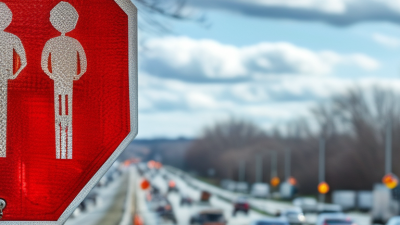
Stop signs play a crucial role in traffic safety. They instruct drivers to come to a complete stop at intersections, significantly reducing the risk of collisions. According to the National Highway Traffic Safety Administration (NHTSA), approximately 700 people die each year in stop sign-related crashes. This statistic underscores the necessity of effective stop sign placement and visibility.
Studies show that clear and well-maintained stop signs can decrease accidents by nearly 50%. Yet, many intersections still lack sufficient signage or proper maintenance. Poor visibility, due to weather or damage, can lead to tragic consequences. Moreover, there are cases where drivers ignore stop signs, either due to distractions or lack of awareness. This indifference contributes to a staggering number of traffic fatalities.
The importance of stop signs cannot be overstated. They are vital for vehicular and pedestrian safety. Community awareness campaigns have proven effective in increasing compliance with stop signs. Engaging the public can foster a culture of safety. Everyone has a role in traffic safety, whether as a driver, pedestrian, or community member. A collective effort is essential to enhance awareness and ensure a safer environment for all road users.
Types of Stop Signs Available for Purchase Worldwide
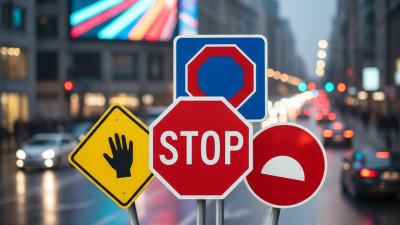
When selecting stop signs, buyers encounter various types suited for different environments. For instance, standard red octagonal signs are widely recognized and used globally. Reflective stop signs enhance visibility at night, crucial for preventing accidents. Moreover, solar-powered stop signs are gaining popularity, allowing for sustainable energy use in remote locations. Research indicates that reflective materials can reduce crash risk by up to 50% during nighttime.
Tips for choosing the right stop sign include considering the installation area. If the location has poor lighting, opting for reflective or illuminated signs is essential. Always check for local regulations, as sign specifications may vary. A visual inspection of the sign's condition can reveal potential issues. Unexamined damages could lead to ineffective communication of traffic rules.
Additionally, smart stop signs equipped with sensors are emerging. They can adapt to traffic flow and notify drivers. Early adoption of such technology may enhance road safety. However, potential maintenance costs are factors to weigh. Balancing innovation with reliability remains key for buyers in the market.
Key Features to Consider When Buying Stop Signs
When purchasing stop signs, consider visibility. A bright finish ensures high visibility in various weather conditions. Retroreflective materials enhance the sign's effectiveness at night. Without proper visibility, accidents may happen.
Next, think about the sign's size. Standard sizes usually provide the best clarity. They should meet regional guidelines for optimal safety. Oversized or undersized signs can confuse drivers. Signs made from durable materials last longer, resisting fading and damage.
Lastly, consider installation factors. Some signs are easier to install than others. Ensure that you have the right tools and knowledge for proper setup. A poorly installed sign might not convey the intended message. Regular checks on positions and conditions also help maintain their effectiveness.
Materials and Durability: Choosing the Right Stop Sign for Your Needs
When selecting a stop sign, materials play a crucial role in ensuring durability and visibility. Traditional aluminum signs are common due to their lightweight and resistance to rust. They are perfect for standard road conditions. However, plastics like polycarbonate offer higher impact resistance. This can be beneficial in areas prone to vandalism or severe weather.
Reflective coatings enhance visibility at night. Look for signs with engineering-grade reflectivity for urban settings. High-intensity options are ideal for highways. The right choice depends on the traffic volume and local conditions. Consider how weather patterns affect sign wear over time.
It's essential to balance cost and quality. Cheaper options may save money initially but often require replacements sooner. Investing in high-quality materials may lead to long-term savings. Regular maintenance can also extend a sign's life, prompting reflection on the true value of durability over cheap alternatives.
Regulatory Compliance and Standards for Stop Signs Globally
When considering stop signs, regulatory compliance is crucial. Different countries have distinct standards. In the United States, for instance, the Manual on Uniform Traffic Control Devices dictates specifications. This document outlines size, color, and material requirements. Understanding these local regulations ensures safety for drivers and pedestrians alike.
Globally, European countries may follow different guidelines. The Vienna Convention on Road Signs and Signals provides an international framework. It promotes uniformity, aiming to reduce confusion for travelers. Yet, compliance can be a challenge. Not all nations adopt the same measures, leading to inconsistent signage.
Choosing the right stop sign also requires attention to detail. Reflective materials may be mandated in certain regions. Factors like visibility and durability affect how long the sign lasts in various weather conditions. Inadequate research can result in poor decision-making. Buyers must evaluate their specific needs against global standards.
2026 Best Stop Sign Buying Guide for Global Buyers - Regulatory Compliance and Standards for Stop Signs Globally
| Country |
Regulatory Body |
Standard Compliance |
Size (mm) |
Material |
Reflectivity |
| United States |
Federal Highway Administration |
MUTCD |
600 x 600 |
Aluminum |
High Intensity |
| Canada |
Transport Canada |
Canada Traffic Control Devices |
750 x 750 |
Steel |
Engineering Grade |
| United Kingdom |
Department for Transport |
Traffic Signs Regulations |
600 x 600 |
Aluminum |
High Visibility |
| Australia |
Austroads |
AS 1742.2 |
600 x 600 |
Plastic |
Reflective |
| India |
Ministry of Road Transport and Highways |
IRC:67 |
600 x 600 |
Aluminum |
Engineering Grade |