Top 5 Speed Detector Devices for Accurate Road Monitoring?
In the realm of road safety, speed detection is crucial. Experts emphasize the importance of reliable speed detection devices. "Speed detectors are vital for accurate monitoring," says Dr. Laura Marshall, a leading authority in traffic safety technology.
Effective speed detectors improve awareness of road conditions. They help reduce accidents by ensuring compliance with speed limits. Many devices excel in precision and adaptability. They monitor traffic flow and provide real-time data, enabling swift responses to violations.
However, challenges persist. Some detectors can be prone to inaccuracies in certain environments. Additionally, maintenance and calibration are often overlooked, leading to potential faults. Adopting technology is essential, yet users must remain aware of these limitations. The quest for the perfect speed detector continues, as we strive for safer roads.
Overview of Speed Detector Devices and Their Importance
Speed detector devices play a critical role in maintaining road safety. These devices monitor vehicle speeds, helping law enforcement manage traffic effectively. Accurate data from speed detectors can lead to reduced accidents and improved compliance with speed limits. They serve as a deterrent for reckless driving, promoting safer roads for everyone.
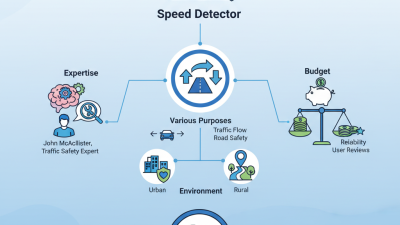
When selecting a speed detector device, consider the type of environment it will be used in. Urban areas may require portable options, while highways might benefit from fixed devices. Additionally, ensure that the accuracy of the device is validated. This is vital for effective enforcement and data collection.
**Tips:** Regular maintenance is essential for reliable performance. Outdated devices may provide misleading data, affecting road safety measures. It’s important to stay updated with technological advancements in this field. Investing in modern speed detectors ensures accuracy and reliability. Remember, not all devices are equally effective. Take the time to assess your options thoroughly.
Criteria for Selecting the Best Speed Detector Devices
When selecting speed detector devices for accurate road monitoring, several key criteria emerge. Accuracy is paramount. A reliable speed detector must consistently provide precise readings. According to the National Highway Traffic Safety Administration, devices with a margin of error of less than 2% are ideal. Precision ensures that data collected can effectively inform traffic management strategies.
Additionally, ease of installation and integration plays a critical role. A cumbersome setup can lead to prolonged road disruptions. Ideally, devices should support wireless connections and be compatible with existing traffic systems. Reports indicate that 70% of road monitoring initiatives fail due to ineffective installation processes.
Durability is another consideration. Given varying weather conditions, devices must withstand extreme temperatures and moisture. The IP rating is a useful measure here; a rating of IP67 indicates a higher level of protection against dust and water. Collective research shows that devices with high durability ratings have longer lifespans, reducing long-term costs. Maintenance frequency is also essential; less frequent upkeep allows for uninterrupted monitoring.
Top 5 Speed Detector Devices for Accurate Road Monitoring
Speed detection technology has greatly evolved over the years. Today, there are numerous devices that offer reliable monitoring of road speed. These devices can be essential for improving road safety and understanding traffic patterns. They are designed to capture data accurately and provide valuable insights.
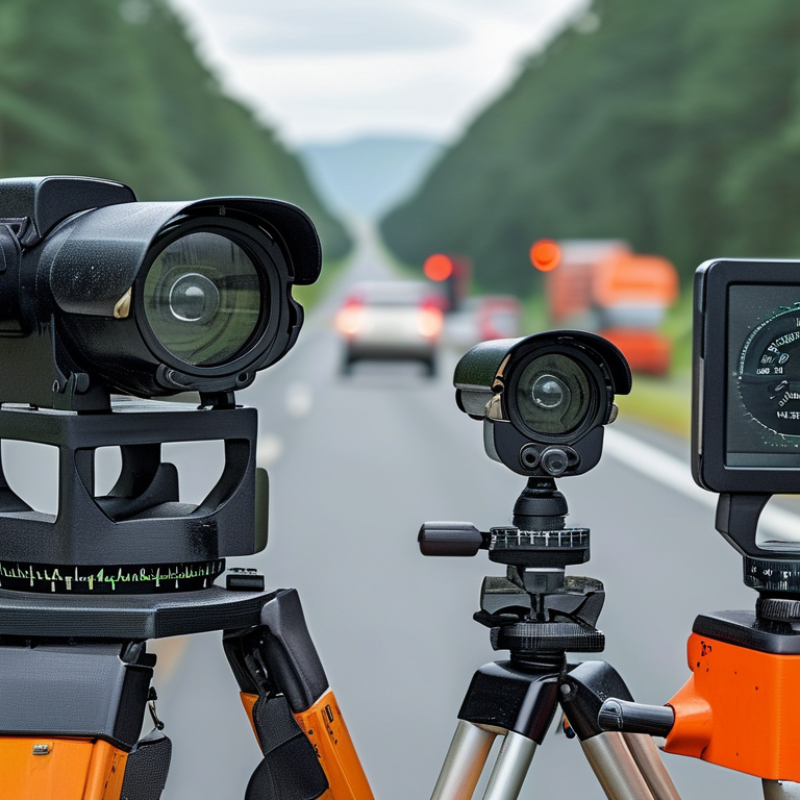
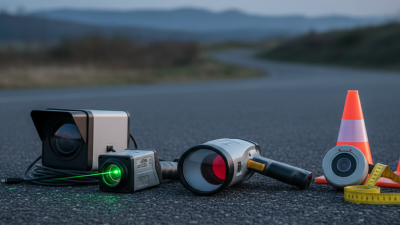
Innovative speed detectors often utilize advanced sensors and radar technology. Some devices can automatically alert authorities if speeds exceed limits. This functionality enhances the response time to potential violations. Additionally, portable options are available for temporary setups. They can be quickly deployed in areas where speed has been a concern.
Reflectively, while these devices improve safety, they sometimes generate controversy. Some drivers may feel uneasy knowing their speed is constantly monitored. There is an ongoing debate about how this data should be used. Balancing privacy with public safety remains a complex issue. The effectiveness of speed detectors can also vary based on environmental factors. Weather conditions like rain or fog may affect their accuracy.
Features and Specifications of Each Recommended Device
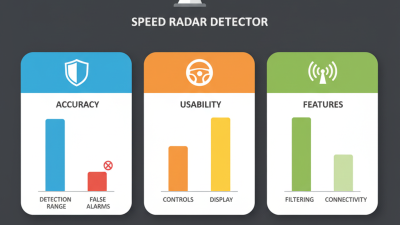
When choosing speed detector devices, several features are vital for accurate road monitoring. One essential aspect is the measurement range. Devices typically cover a range from a few meters to several kilometers. This range ensures that they can capture vehicle speeds from a safe distance. Another feature to consider is the detection accuracy. High-quality devices can often measure speeds within a margin of error of one to two kilometers per hour. This level of precision is crucial for reliable data collection and enforcement.
The display and data storage capabilities also play significant roles in effectiveness. A user-friendly interface makes operation easier. Some devices offer real-time data display, which is helpful for immediate analysis. Data storage features vary greatly. Many modern devices can store multiple data points for later review. Furthermore, battery life is an area for reflection. Longer battery life leads to less frequent charging and uninterrupted monitoring. However, many devices can experience performance drops over time.
Durability is another factor that cannot be overstated. Devices should withstand various weather conditions. This ensures longevity and reliability in outdoor settings. Sensors that can handle moisture and temperature fluctuations are crucial. Additionally, maintenance needs should be manageable. Frequent upkeep can lead to downtime, affecting the effectiveness of speed monitoring efforts. Overall, choosing the right speed detector device requires careful consideration of these essential features.
Comparative Analysis of Performance and User Reviews
When selecting a speed detector device, performance and user reviews are crucial. Accuracy matters in road monitoring. Devices often differ significantly in how well they detect speed. Users frequently report discrepancies between readings and actual speeds. Some devices excel in urban environments, while others perform better in rural areas.
Many users appreciate devices that offer clear displays. Readability can enhance safety during rapid assessments. Some models are praised for ease of installation. On the other hand, complexity in user interfaces can frustrate individuals. Features like data logging and alerts can enhance the overall functionality, but they also add layers of complexity.
In terms of user reviews, reliability is a key factor. Positive reviews often highlight durability and battery life. However, negative feedback can reveal limitations, like inconsistent performance in different weather conditions. Real-world testing often shows that users must recalibrate devices periodically. Additionally, user experience may vary widely based on personal expectations and usage scenarios.
Top 5 Speed Detector Devices for Accurate Road Monitoring
| Device Model |
Accuracy (km/h) |
Range (m) |
Battery Life (hrs) |
User Rating |
| Model A |
+/- 1 |
50 |
20 |
4.5 |
| Model B |
+/- 2 |
100 |
15 |
4.1 |
| Model C |
+/- 1.5 |
75 |
18 |
4.3 |
| Model D |
+/- 1 |
120 |
22 |
4.7 |
| Model E |
+/- 2 |
90 |
16 |
4.0 |