What is a Stop Sign and Why is it Essential for Road Safety?
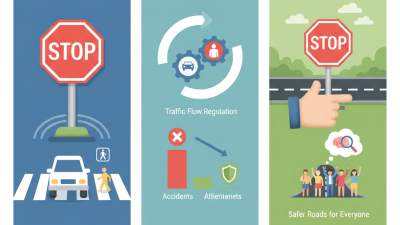
A Stop Sign is a critical element in roadway safety. It serves as a clear indicator for drivers to halt, ensuring they assess the intersection before proceeding. According to the National Highway Traffic Safety Administration (NHTSA), intersections are sites for 40% of all crashes in the United States. A simple red octagon can significantly reduce these incidents.
Effective use of Stop Signs can prevent accidents. In fact, research from the Insurance Institute for Highway Safety (IIHS) shows that compliance with Stop Signs can decrease collision rates by as much as 70%. Despite their importance, many drivers fail to stop completely, highlighting the need for continual education and enforcement.
The role of a Stop Sign is not just regulatory; it is a vital safety tool. However, there is room for improvement in driver behavior and awareness. Recognizing the value of Stop Signs can truly enhance safety on our roads. It’s essential to reflect on our driving habits and the impact they have on overall road safety.
What is a Stop Sign? Definition and Purpose in Traffic Control
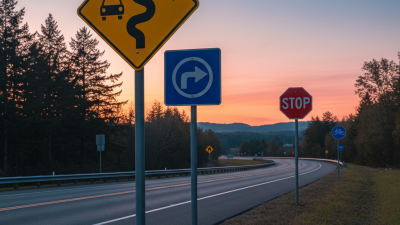
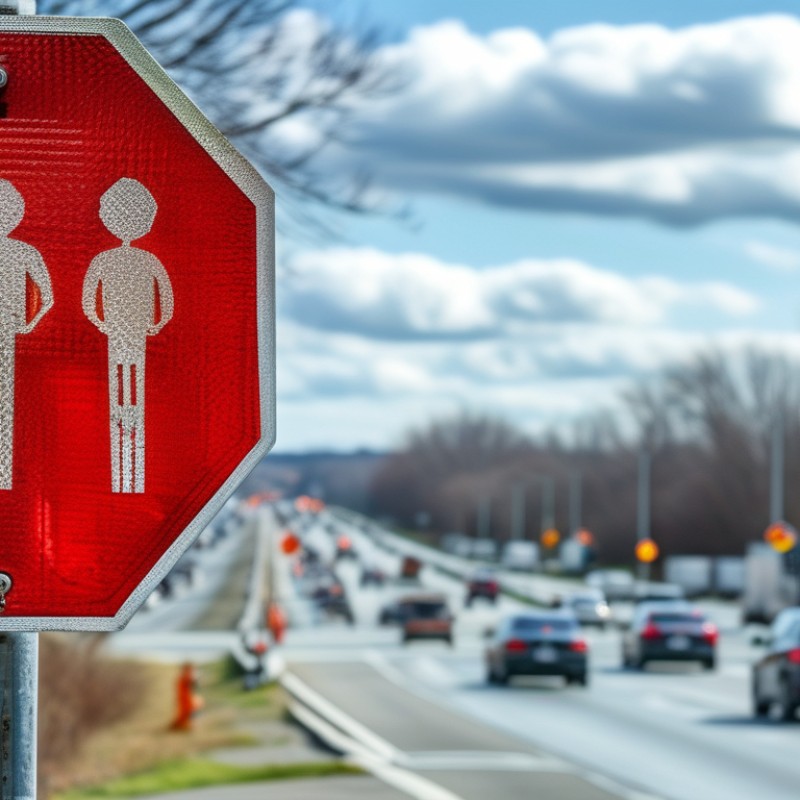
A stop sign is a crucial element of traffic control. It is a red octagonal sign that indicates drivers must come to a complete stop. This simple yet effective signal plays a vital role in preventing accidents. Its purpose extends beyond mere compliance. It ensures that vehicles yield the right of way at intersections.
Understanding the role of stop signs can help drivers make safer choices. When approaching a stop sign, drivers should look left, right, and then left again before proceeding. This habit prevents collisions with other vehicles or pedestrians. Many accidents occur when drivers ignore these signs or fail to stop completely. However, not everyone follows the rules consistently. This inconsistency can lead to dangerous situations.
Road safety education is essential for promoting the proper use of stop signs. Awareness can reduce risks on the road. Often, new drivers are less familiar with these signs. They might hesitate or misunderstand their importance. Therefore, ongoing education about stop signs can encourage safe driving practices for everyone. Road safety relies on a collective commitment to following these vital rules.
Historical Evolution of Stop Signs and Their Standardization
The stop sign has undergone significant changes since its inception. Initially, signs were simple, with varying shapes and colors. The first recognized stop sign appeared in Michigan in 1915. It was rectangular and featured the word "STOP" in black letters. Over time, the need for standardization became evident as different regions used various designs.
By the 1920s, traffic congestion increased. State and city officials recognized the need for uniform traffic control. In 1924, the American Association of State Highway Officials standardized the octagonal shape in red with white lettering. This was revolutionary. The design was clear and noticeable, leading to better compliance by drivers.
Despite this progress, some issues persist today. Not all drivers fully understand the importance of stop signs. Some approach intersections without sufficient caution. The intersection of evolving traffic patterns and the design of stop signs indicates a need for ongoing education. It’s crucial for communities to reinforce their importance consistently.
Statistical Impact of Stop Signs on Accident Reduction Rates
Stop signs play a vital role in maintaining road safety. They serve as clear signals to drivers, indicating the need to yield or come to a complete stop. According to the National Highway Traffic Safety Administration (NHTSA), intersections without stop signs can be sites of significant risk. Approximately 40% of collisions occur at intersections. This statistic highlights the importance of stop signs in accident prevention.
Research from the Federal Highway Administration (FHWA) provides further evidence of their effectiveness. Communities that installed stop signs saw a reduction in accidents by nearly 25%. Yet, it's essential to recognize that their impact varies. Not every intersection benefits equally from a stop sign, and improper placements can lead to confusion. Some drivers may even roll through stop signs, increasing the risk of accidents.
Local studies often reflect this disparity. In places where stop signs are ignored or not well-placed, the accident rates can remain stubbornly high. It underscores the need for continued evaluation of road signage and driver behavior. Authorities must adapt to local traffic patterns for stop signs to be truly effective in enhancing safety on the roads.
What is a Stop Sign and Why is it Essential for Road Safety? - Statistical Impact of Stop Signs on Accident Reduction Rates
| City |
Accident Rate Before Stop Signs (per 100,000 population) |
Accident Rate After Stop Signs (per 100,000 population) |
Reduction Rate (%) |
Year Implemented |
| City A |
300 |
180 |
40% |
2015 |
| City B |
250 |
150 |
40% |
2016 |
| City C |
400 |
240 |
40% |
2018 |
| City D |
500 |
300 |
40% |
2017 |
| City E |
350 |
210 |
40% |
2019 |
Legal Requirements for Stop Sign Placement and Visibility Regulations
Stop signs are critical for maintaining road safety. They help manage traffic flow and prevent collisions. However, the effectiveness of these signs largely hinges on their legal placement and visibility regulations. According to the Manual on Uniform Traffic Control Devices (MUTCD), stop signs must adhere to specific standards regarding size, color, and positioning. For instance, a standard stop sign is an octagon, with a minimum size of 30 inches. This ensures that drivers can see them from a distance, providing ample time to respond.
Visibility is another key element. Studies show that approximately 30% of accidents occur at intersections. Properly placed stop signs can significantly reduce this number. The height of the sign matters. Signs should be positioned between 7 feet and 10 feet from the ground. Moreover, reflective materials are essential; these increase visibility, especially at night or during bad weather. A report by the National Highway Traffic Safety Administration (NHTSA) indicates that reflective stop signs can improve visibility by 200% compared to standard materials under low-light conditions.
Despite regulations, many stop signs remain poorly placed or inadequately visible. Some signs are hidden by foliage or positioned too close to intersections. This oversight can lead to dangerous situations. Ongoing reviews are essential to assess whether current placements meet safety standards. Engaging local communities for feedback could prove beneficial. Road safety relies on strict adherence to regulations and a shared commitment to clarity and visibility.
Driver Behavior and Compliance with Stop Sign Instructions and Safety
Stop signs play a crucial role in maintaining road safety. Compliance with stop sign instructions can significantly reduce accidents. According to the National Highway Traffic Safety Administration (NHTSA), nearly 700 fatal accidents involve disregarded stop signs every year. Driver behavior at these intersections is crucial and can be influenced by several factors, including rush behavior and distraction.
Studies indicate that many drivers fail to fully stop at these signs. A survey showed that around 40% of drivers admit to rolling through stop signs. This lack of compliance can stem from impatience or a belief that it is safe to bypass them when the road appears clear. Educating drivers about these tendencies is essential.
Tips: Always approach a stop sign with caution. Look not just for other vehicles, but also for pedestrians and cyclists. It’s vital to make a complete stop, even when the road seems clear. Remember, taking an extra few seconds could save lives.
Also, consider your surroundings. Reckless behavior, like zooming through a stop sign, can lead to severe consequences. Reflect on your driving habits to ensure you prioritize safety over speed.