





How LED Traffic Lights Work and Their Key Advantages
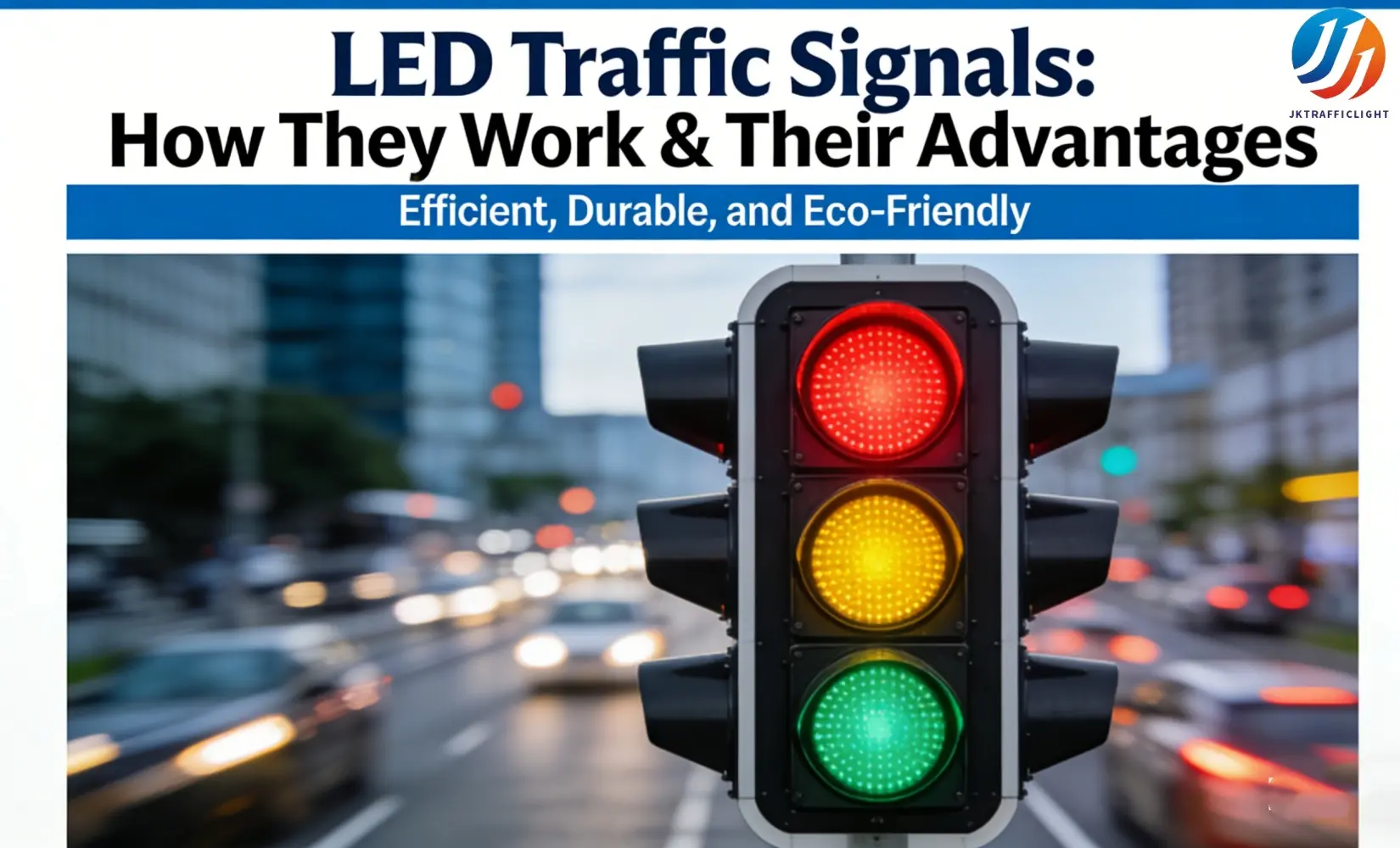
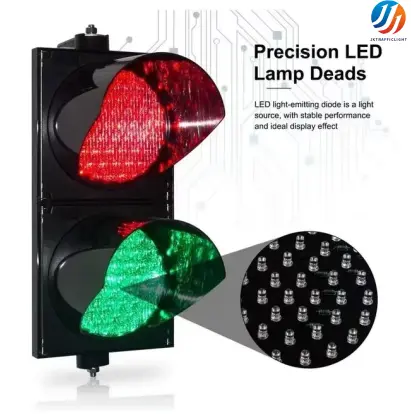
LED traffic lights (also known as LED red-amber-green signals) use light‑emitting diodes as their light source. As cities grow and traffic increases, traffic signals have become essential for road safety. Founded in 2002, JKTRAFFICLIGHT is a specialist manufacturer of high‑quality LED traffic lights, radar speed signs, Traffic Signs, and other safety products. Today, LED traffic lights have largely replaced traditional signals thanks to their high brightness, low energy consumption, long life, and easy maintenance. This article explains how they work and why they are superior.
1. What Are LED Traffic Lights?
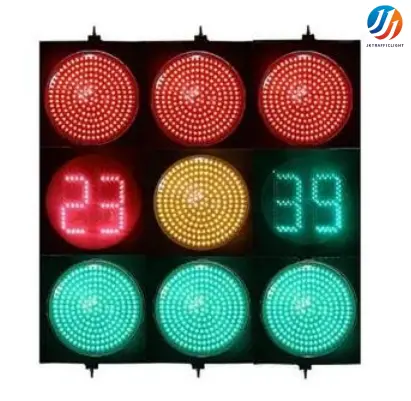
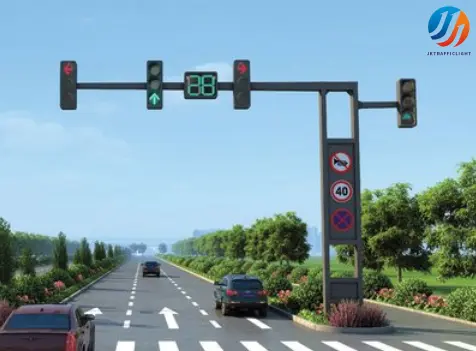
LED traffic lights are signals that use LEDs (light‑emitting diodes) instead of traditional incandescent bulbs. With more vehicles on the road, traffic lights play a critical role in keeping intersections safe. LED traffic lights have now become the mainstream choice worldwide.
2. How Do LED Traffic Lights Work?
The working principle of an LED traffic light can be broken down into four simple steps:
2.1 Power Supply
LED traffic lights need a power source to operate. They are usually connected to the city’s electricity grid or a solar power system, which provides AC or DC voltage to drive the LEDs.
2.2 Control Circuitry
Inside each LED traffic light is a control circuit that turns the LEDs on and off according to signal changes. The control circuit typically uses a microprocessor or a dedicated control chip. It receives commands from the traffic control centre and switches between red, amber and green.
2.3 LED Light Emission
When the control circuit receives a signal, it activates the corresponding LEDs. LEDs produce light because their semiconductor material is “doped” to create a P‑N junction. When current flows across this junction, electrons and holes recombine and release energy in the form of light. Different doping materials produce different colours – so red, yellow and green signals are possible.
2.4 Optical Design
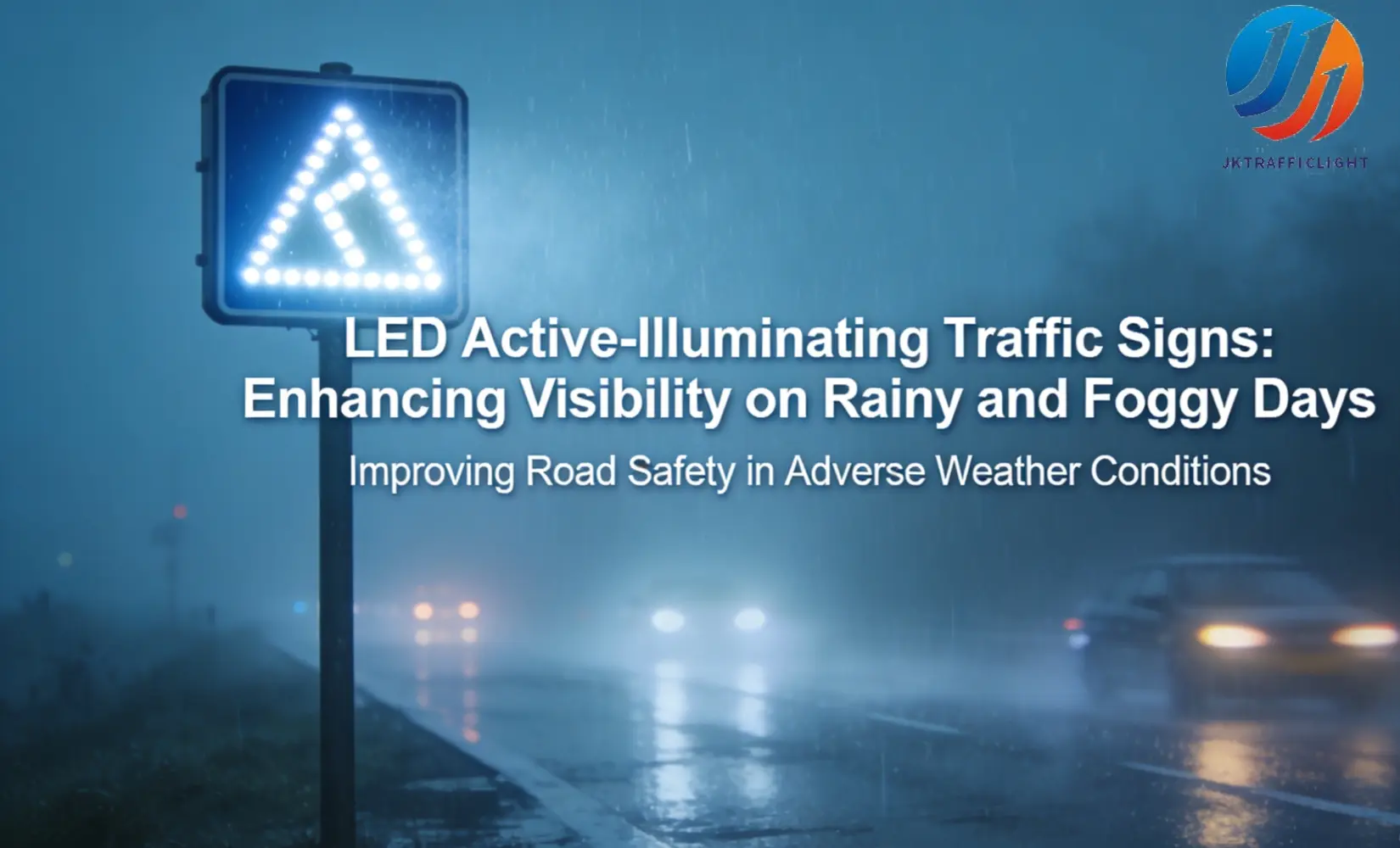
The external lens and reflector system are also important. Good optical design focuses and spreads the light correctly, ensuring the signal is bright and even. This makes the light clearly visible in all weather conditions – rain, fog, or bright sunshine.
3. Main Advantages of LED Traffic Lights
Compared with traditional traffic lights, LED signals offer clear benefits:
✅ High Brightness – Easy to See
Even in direct sunlight, LED signals remain bright and clearly visible. This helps drivers and pedestrians react correctly, improving intersection safety.
✅ Low Power – Saves Energy
LEDs convert most of the electricity they use directly into light, wasting very little as heat. This makes them far more efficient than incandescent bulbs. Over time, the electricity savings are substantial.
✅ Long Life – Low Maintenance
An LED traffic light can last for tens of thousands of hours. There is no need to change bulbs frequently, which reduces maintenance costs and avoids traffic disruptions.
✅ Reliable – Works in Harsh Conditions
LEDs are solid‑state lights with no fragile filaments or glass envelopes. They perform well in high heat, freezing cold, and even in vibration‑prone environments. In earthquakes or other disasters, they are much more durable than traditional signals.
✅ Environmentally Friendly
Because LED signals use less electricity, they help reduce carbon emissions from power generation. They also contain no mercury or other hazardous substances, making them cleaner for the environment.
4. Conclusion
LED traffic lights are a key part of modern urban transport. Their many advantages – better safety, lower operating costs, and energy savings – make them an excellent choice for any city’s traffic infrastructure.
With over 24 years of manufacturing experience, JKTRAFFICLIGHT produces reliable, cost‑effective LED traffic lights. For detailed product information, pricing, or a custom solution, please contact us.