Top Speed Detector Tips for Accurate Measurements?
In the world of road safety, accurate measurements are crucial. Speed detectors play a key role in monitoring vehicle speeds. Renowned traffic safety expert, Dr. Emily Carter, notes, "Understanding the nuances of speed detection can significantly reduce accidents." Her insights shed light on the complexity of ensuring reliable data from speed detectors.
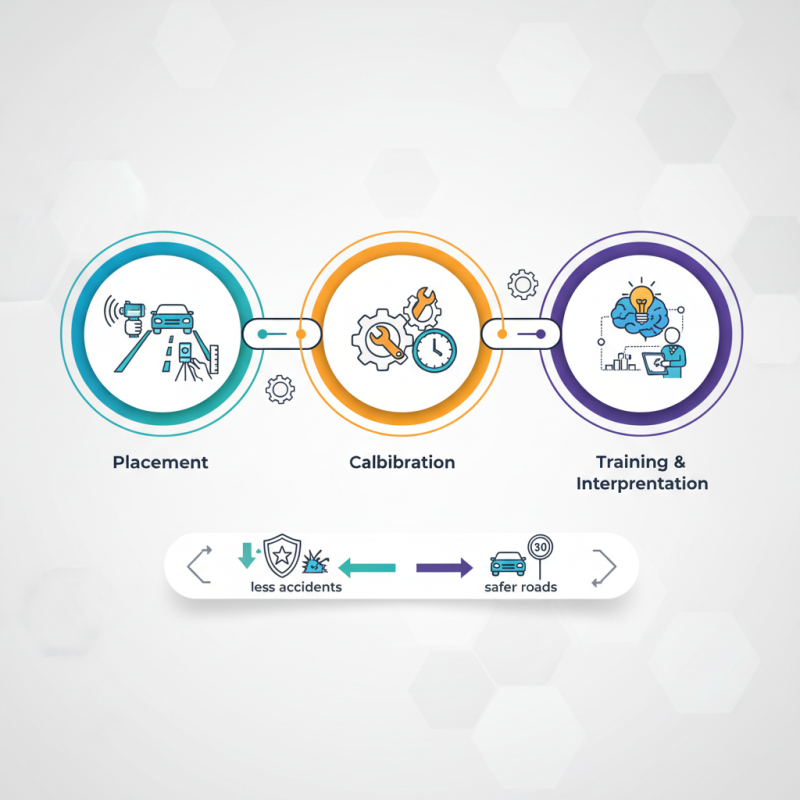
The effectiveness of speed detectors often relies on various factors. The placement of the device, for example, can impact readings. A poorly positioned detector might yield misleading results, leading to potential safety issues. Calibration is another critical aspect. Many overlook the need for regular checks, which can lead to inconsistencies in speed measurement.
Beyond technicalities, there are human elements at play. Operators need proper training to interpret speed detector data correctly. Misunderstandings or misinterpretations can arise without adequate knowledge. Therefore, taking time to understand these devices is essential for their effective use. Investing in education and awareness can enhance accuracy in speed detection, ultimately promoting safer roadways.
Understanding Speed Detection Technology and Methods
Speed detection technology has evolved significantly over the years. There are various methods such as radar, lidar, and even GPS. Each technology has its strengths and weaknesses, influencing how accurate the measurements can be. For instance, radar systems often struggle with tracking multiple vehicles. This can lead to errors, particularly in busy areas.
Lidar technology, on the other hand, uses laser pulses for precise measurements. It can discern individual vehicles even in heavy traffic. However, it requires a clear line of sight to function effectively. This dependence on visibility can sometimes result in missed data during adverse weather conditions. Accurate speed detection also depends on properly calibrated devices. Regular maintenance and calibration checks are crucial.
GPS-based systems offer convenience and can provide real-time speed data. Yet, they may be less reliable in urban environments, where satellite signals can be obstructed. Reflecting on these aspects encourages a critical approach to speed detection. Understanding limitations helps users make better decisions.
Top Speed Detector Tips for Accurate Measurements
| Measurement Method |
Accuracy (%) |
Range (km/h) |
Distance to Target (m) |
Environmental Factors |
| Radar |
95 |
20-250 |
50-1500 |
Weather conditions, signal interference |
| Laser |
98 |
10-300 |
10-800 |
Line of sight, atmospheric conditions |
| GPS |
90 |
0-180 |
20-500 |
Signal interference, satellite visibility |
| Inductive Loop |
85 |
5-120 |
Permanent installation |
Traffic flow variations, installation precision |
Types of Speed Detectors: Pros and Cons
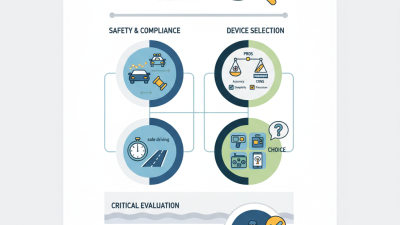
When exploring types of speed detectors, it's essential to consider their pros and cons. Radar detectors, for example, are widely used for their accuracy and reliability. A study by the Highway Safety Institute reveals that radar systems achieve over 95% accuracy in measuring vehicle speed under optimal conditions. However, they can be affected by weather and interference from other signals. This limitation is noteworthy; rain or heavy traffic could skew results.
Laser speed detectors are another option, known for their precision. They can pinpoint a vehicle's speed from a long distance, with an accuracy rate nearing 99%. Nevertheless, their effectiveness diminishes if the vehicle is moving erratically or if the operator lacks experience. Observations indicate that almost 30% of readings can be miscalculated in such situations. Additionally, laser detectors require a direct line of sight, which can be a drawback in complex environments like urban areas.
Lastly, loop detectors provide reliable data through embedded sensors in the road. They are popular in traffic management systems. Their effectiveness is around 90%, but maintenance challenges can surface, impacting performance. Regular calibration is necessary, which can lead to downtime. Understanding these trade-offs is crucial for achieving accurate measurements in speed detection.
Top Speed Detector Types Comparison
Factors Influencing Speed Measurement Accuracy
When measuring speed, several factors can significantly influence accuracy.
Environmental conditions play a crucial role.
For instance, wind can disrupt signals, leading to incorrect readings.
Rain or snow can further complicate measurements. A good detector should be able to compensate for these elements, but not all do.
Calibration is another key aspect often overlooked.
Regular checks ensure that the device maintains its accuracy.
Users must understand the importance of calibration intervals.
A device out of calibration may yield results that reflect past errors.
Inaccurate measurements can lead to misinterpretations and poor decisions.
User experience also affects speed measurement.
A well-trained operator can maximize the device’s potential.
Familiarity with the surroundings enhances accuracy.
Users should be aware of their own limitations.
Recognizing mistakes during operation is essential for improvement.
Each measurement can be a learning opportunity, fostering better practices in the future.
Best Practices for Calibrating Speed Detectors
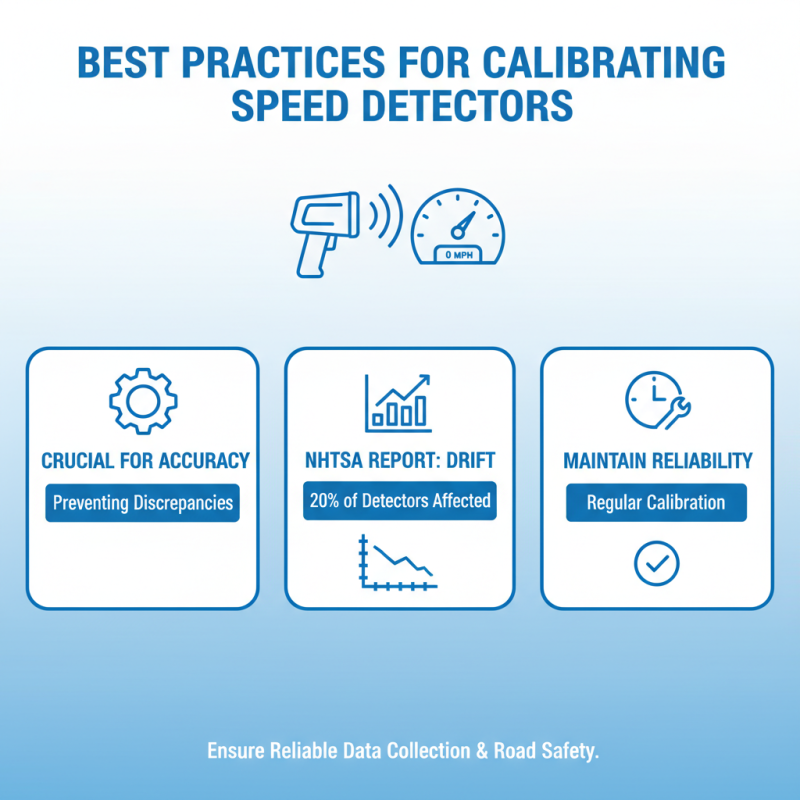
Calibrating speed detectors is crucial for accurate measurements. A report from the National Highway Traffic Safety Administration (NHTSA) states that nearly 20% of speed detectors may experience calibration drift over time. This can lead to significant discrepancies in speed readings. Regular calibration ensures that these devices maintain their accuracy, allowing for reliable data collection.
One effective practice involves conducting calibrations at different times of the day. Environmental factors can influence measurements. For instance, temperature variations can impact sensor performance. A study published in the Journal of Transportation Engineering highlights that temperature changes by just 5°C can affect the readings by 3% to 5%. Utilizing multiple calibration sessions helps mitigate this issue.
It is also essential to document each calibration process meticulously. Records should include date, time, ambient conditions, and specific adjustments made. This transparency builds reliability in the data gathered. Moreover, consider periodic reviews of calibration procedures. An annual assessment can reveal any persistent issues that need addressing. Further insights can be derived from industry analysis, which indicates that around 15% of accuracy issues stem from neglected maintenance. Enhancing calibration processes can ultimately lead to improved safety outcomes on the road.
Common Mistakes to Avoid in Speed Detection
In speed detection, accuracy is critical. However, common mistakes can lead to unreliable results. One frequent issue is calibration. Regular calibration ensures devices perform optimally. According to a report by the International Association of Chiefs of Police, 30% of speed detection errors arise from inadequate calibration.
Another mistake involves environmental factors. Weather conditions, such as rain or fog, can interfere with detection. Moreover, positioning is key. Devices should be placed in ideal locations, as obstructions can distort measurements. A study by the National Highway Traffic Safety Administration found that nearly 25% of speed readings were inaccurate due to poor positioning.
It’s essential to consider user error as well. Operators must receive proper training to avoid misinterpretation of data. A lack of knowledge about device operations can introduce significant errors. Continuous education can mitigate this risk, but many officers still overlook it. Being aware of these common pitfalls enhances the reliability of speed detection efforts.