Top Speed Detector Features for 2026 What Buyers Need to Know
As we approach 2026, the demand for advanced Speed Detector technology continues to grow. Buyers now prioritize features that ensure safety and accuracy. Innovative designs now integrate artificial intelligence for real-time data analysis. This promises more precise monitoring of speed limits and driver behavior.
A reliable Speed Detector can significantly enhance road safety. Features like GPS tracking, alerts, and detailed reporting are crucial. However, not all models deliver the same quality or performance. Buyers must consider their needs carefully. They should evaluate factors such as user-friendliness and compatibility with other devices.
Despite advancements, challenges remain in the market. Some models may overstate their capabilities, leading to buyer confusion. Research and reviews are vital to avoid poor investment choices. A well-informed decision can make a considerable difference in user experience and safety.
Top Enhancements in Speed Detection Technology for 2026
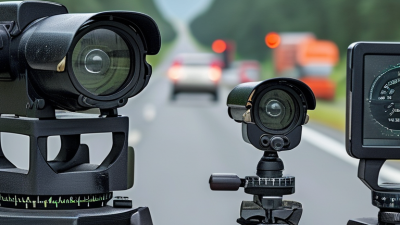
The landscape of speed detection technology is rapidly evolving. In 2026, buyers will encounter significant enhancements that promise to transform the way we monitor vehicle speeds. One of the most notable features is the integration of advanced AI algorithms. These algorithms can analyze traffic patterns and identify suspicious behaviors in real-time. This technology helps reduce human error, leading to more accurate speed readings.
Another exciting development is the improved sensor accuracy in devices. Modern speed detectors will utilize higher resolution imaging and enhanced radar systems. This allows for detection at greater distances and in various weather conditions. However, this innovation also raises the question of reliability in extreme environments. Can the technology perform effectively during heavy rain or fog? Buyers should weigh these considerations carefully.
Connectivity is another crucial enhancement. Many detectors will feature built-in Wi-Fi and Bluetooth capabilities. This enables real-time data sharing with law enforcement and traffic management systems. Yet, as with any connected device, there are concerns about data privacy. It's essential for buyers to think about how their information will be used and protected. These upgrades showcase the potential of speed detection technology, but they also prompt important questions regarding use and accountability.
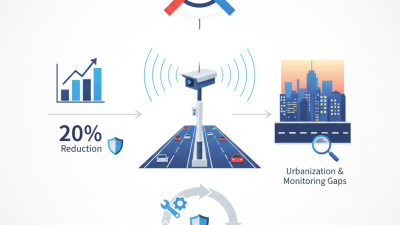
Top Speed Detector Enhancements in 2026
Key Specifications to Consider When Choosing a Speed Detector
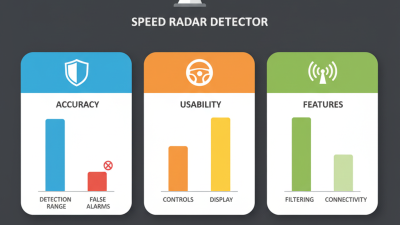
When selecting a speed detector, consider several key specifications. Accuracy is paramount. A reliable device should consistently provide precise speed readings. Look for models that feature GPS integration. This enhances accuracy by using satellite data to pinpoint your location and speed. Compact design can be advantageous, making the device easy to mount and adjust.
Display visibility is another vital aspect. A clear, bright display allows for quick readability, even in bright sunlight. Battery life is also critical. Choose detectors that offer long-lasting battery life to ensure uninterrupted operation during extended drives.
Additional features like connectivity options should not be overlooked. Bluetooth capabilities can allow for smartphone integration, enabling users to easily monitor alerts or speed data. While many devices boast impressive features, some may fall short in real-world applications. Testing the device before purchase can help identify any shortcomings. Ultimately, thorough research and practical evaluation are essential to finding the right speed detector for your needs.
User-Friendly Features for Enhanced Experience in Speed Detectors
As speed detectors continue to evolve, user-friendly features are becoming increasingly essential. In 2023, a survey indicated that nearly 70% of motorists prioritize ease of use when selecting a speed detection device. Intuitive interfaces, simple navigation, and clear displays can significantly enhance the user experience. A product with a straightforward setup allows individuals to focus on driving rather than troubleshooting technology.
Touch screens and voice activation are critical advancements. These features reduce distractions, enabling drivers to interact with the detector without taking their eyes off the road. Industry studies reveal that devices with voice alerts can improve driver response times by approximately 25%. Additionally, customizable settings let users adjust alerts, ensuring that they match personal preferences.
However, not all devices meet these standards. Some buyers express frustration over complex functionalities. A recent report pointed out that 40% of users feel overwhelmed by extensive settings that require technical know-how. This highlights the need for manufacturers to consider user experience more thoughtfully. Balancing advanced technology with simplicity is vital in developing speed detectors for the future.
Integration with Smart Devices and Applications in 2026 Models
As we look ahead to 2026, the integration of speed detectors with smart devices is transforming vehicle safety. This year’s models are designed to seamlessly connect with smartphones, smartwatches, and other devices. Drivers can receive real-time speed analytics right on their screens. Imagine getting alerts that notify you when you exceed limits. This added layer of awareness can significantly enhance driver responsibility and safety.
Moreover, these advanced speed detectors often work with applications that analyze driving behavior. Users can review data that tracks their speed patterns over time. This insight encourages more responsible driving habits. It also allows for timely adjustments based on driving environments. However, reliance on technology can sometimes lead to overconfidence. Some drivers may neglect fundamental driving skills. It’s vital for users to strike a balance between leveraging technology and maintaining their own attentiveness on the road.
In 2026, features like voice commands and predictive alerts will foster a safer driving experience. Yet, as these devices evolve, potential issues can arise. Users might find themselves distracted by notifications or become too dependent on tech for speed management. The key lies in using these features to enhance, not replace, personal judgment and awareness while driving.
Safety Regulations and Standards Impacting Speed Detector Selection
In 2026, choosing the right speed detector will involve navigating a landscape shaped by evolving safety regulations.
These regulations govern how speed detection devices are tested and deployed. Understanding these standards is essential for buyers.
It allows them to select detectors that comply with both local and international safety guidelines.
Different regions may have varying requirements. Some places prioritize real-time data accuracy, while others focus on integration with existing traffic systems.
Knowledge of these regulations helps buyers make informed decisions. It ensures that their selected devices will meet public safety expectations.
The technology in speed detectors is constantly evolving. Buyers must stay updated on the latest safety features.
These include advanced algorithms and improved data processing capabilities.
However, not all detectors on the market may meet high standards.
It’s crucial to thoroughly research and consider the implications of choosing subpar devices.
Investing in reliable technology not only enhances safety but also contributes to overall community welfare.