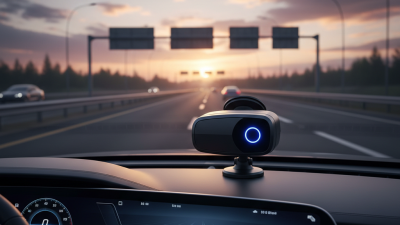
Choosing a Speed Radar Detector is not simply a matter of finding the loudest alert. Different designs use different sensors, filters, antennas, and databases. Their performance can change between a quiet highway, a crowded city street, and a winding rural road.
Radar-detector expert Craig Peterson has emphasized, “The best detector is the one that matches your driving environment.” That principle matters because no single model performs perfectly everywhere. A long-range detector may produce distracting alerts near automatic doors. A compact cordless unit may sacrifice battery life for convenience. GPS-enabled models can recognize familiar false-alert locations, but their databases require regular updates.
This guide examines ten major Speed Radar Detector types, including corded, cordless, GPS-equipped, dashcam-integrated, remote-mounted, and advanced digital-signal-processing models. Each category has practical strengths and visible limitations. The comparison considers detection range, alert clarity, installation, portability, update support, and everyday reliability.
Real-world use can be revealing. A detector that stays quiet beside a supermarket may react differently near a construction zone. Firmware quality can matter as much as hardware. Some advertised features also sound better than they perform.
That deserves honest scrutiny.
These devices should support attentive, lawful driving, not replace it. Drivers must obey posted limits, respect local regulations, and understand that radar technology cannot identify every safety hazard. The following overview combines technical distinctions with practical observations, helping readers choose responsibly rather than chase impressive specifications alone.
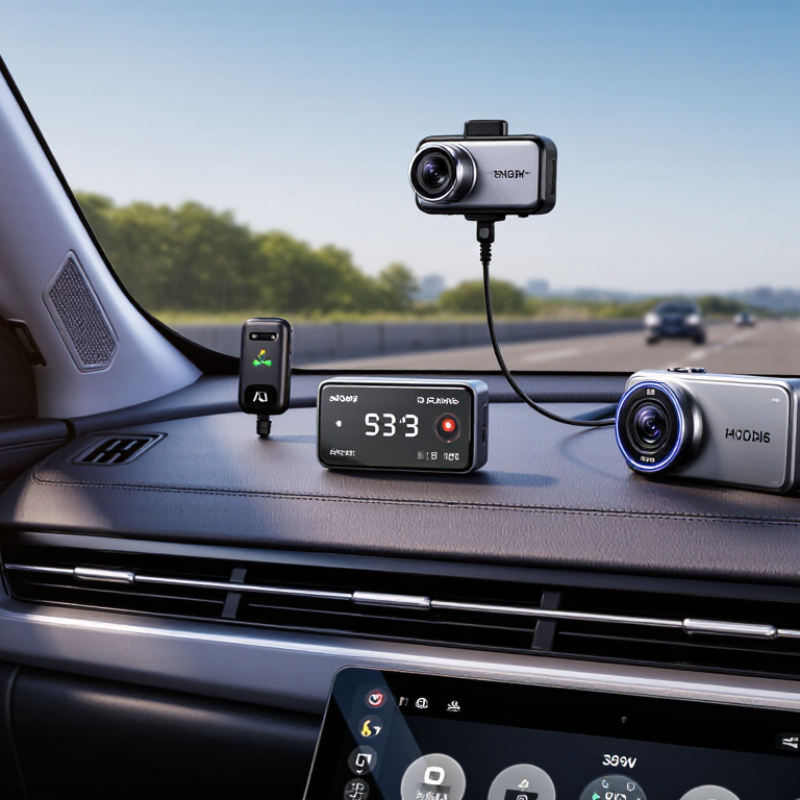
Speed radar detectors are classified by what they sense and how they process signals. The basic radar types are X-band, K-band, and Ka-band units. They detect Doppler shifts created when radio waves reflect from a moving vehicle. Laser-alert detectors use optical sensors instead, so they are not technically radar detectors. Hybrid models combine radar, laser, and GPS data.
A second classification concerns signal intelligence. Standard detectors provide direct alerts, while digital signal-processing models analyze frequency, strength, and direction. GPS-assisted units can identify fixed enforcement locations from stored databases. Portable windshield units are easy to move, whereas remote-installed systems place the display and sensors separately. Motorcycle-focused and vehicle-integrated systems form two additional categories. That gives ten practical types, although some overlap.
The 2024 Grand View Research automotive radar report estimates the global automotive radar market will expand strongly through 2030, driven by advanced driver-assistance systems. This growth increases signal density around modern roads. The FCC’s technical framework also shows why detectors must distinguish licensed radar sources across different frequency ranges.
In real driving, city traffic can create false alerts from automatic doors and vehicle sensors. Poor filtering remains a weakness.
A quiet detector is not always a more accurate one. NHTSA’s 2023 traffic safety data recorded more than 40,000 U.S. road deaths, reminding users that detection technology cannot replace attention, lawful driving, or safe following distances.
The Top 10 Speed Radar Detector Types Explained
Speed radar detectors are not one universal device. Their designs suit different driving conditions, installation preferences, and alert priorities. A windshield-mounted detector is portable and easy to reposition. A remote-installed model offers cleaner dashboards and better theft resistance. A fixed-location detector stores known enforcement points through GPS. A GPS-assisted model combines location data with live signal detection. A DSP-based detector uses digital processing to separate genuine radar from electronic noise.
The remaining five types add different coverage or convenience. A dual-antenna detector monitors signals from the front and rear. A 360-degree detector attempts wider directional awareness. A laser-aware detector identifies optical pulses, although response time may be extremely limited. A detector and dash-camera hybrid records road scenes beside alerts. An app-connected detector shares community reports through a phone connection. These categories overlap, so this top-ten structure is useful, but imperfect.
Real-world testing matters more than impressive specifications. A city street can produce repeated false alerts near automatic doors, while an open highway may reward longer detection range. NHTSA’s Traffic Safety Facts 2022 recorded 12,330 U.S. speeding-related fatalities in 2021. The World Health Organization reported about 1.19 million annual road deaths globally in 2023. These figures support careful driving, not aggressive reactions to alerts. Users should also check local regulations before operating any detector. I would treat laser claims cautiously. More sensors do not always mean more useful information.
| No. | Radar Detector Type | Primary Detection or Connection Method | Common Features | Best Suited For | Main Advantages | Important Limitations |
|---|---|---|---|---|---|---|
| 1 | Basic Radar Detector | Receives nearby microwave radar signals, commonly in the X, K, and Ka bands. | Audible alerts, visual signal indicators, band identification, and sensitivity controls. | Drivers seeking straightforward detection without connected features. | Simple operation, lower cost, and quick installation. | May produce more false alerts and usually lacks location-based warnings. |
| 2 | GPS-Enabled Radar Detector | Combines radar reception with GPS positioning and a stored location database. | User-marked locations, speed-camera alerts, red-light-camera alerts, and speed-based muting. | Regular commuters and drivers who travel through known camera locations. | Can warn about fixed threats that are not actively transmitting radar. | Databases require updates, and GPS warnings can be inaccurate if locations change. |
| 3 | Radar-and-Laser Detector | Detects radar signals and attempts to sense infrared laser speed-measurement pulses. | Radar-band alerts, laser alerts, directional indicators on some models, and selectable sensitivity modes. | Drivers who want coverage against multiple electronic speed-enforcement methods. | Provides broader awareness than radar-only equipment. | A laser alert often occurs after the vehicle has already been targeted; it does not guarantee prevention of a citation. |
| 4 | Multiband Radar Detector | Scans several radar frequencies, typically including X, K, and Ka bands, depending on regional settings. | Band selection, city and highway modes, sensitivity adjustment, and selectable regional profiles. | Drivers crossing areas that use different radar frequencies. | Broad frequency coverage and flexible configuration. | Scanning more bands may increase false alerts, especially where non-police K-band devices are common. |
| 5 | Long-Range Radar Detector | Uses a sensitive radar receiver and signal-processing algorithms to identify distant transmissions. | Highway sensitivity modes, advanced filtering, signal-strength measurement, and long-distance alerts. | Open-road and highway driving where early awareness is valuable. | May provide more reaction time in unobstructed conditions. | Actual range varies with terrain, traffic, radar beam direction, weather, and the transmitting device. |
| 6 | False-Alert-Filtering Detector | Uses digital signal processing, frequency filtering, GPS learning, or a combination of these methods. | Automatic sensitivity adjustment, lockouts, frequency rejection, and selectable city or highway modes. | Urban drivers exposed to automatic door sensors and other radar-based sources. | Reduces unnecessary alerts and improves everyday usability. | Aggressive filtering can delay or suppress legitimate low-power radar alerts. |
| 7 | Cordless Radar Detector | Operates from an internal rechargeable battery rather than a permanent vehicle power connection. | Battery status display, USB charging, portable mounting, and wireless installation. | Rental cars, shared vehicles, and drivers who frequently move equipment between cars. | Fast setup, minimal wiring, and easy portability. | Battery life is limited, and performance may be affected if the unit is not charged. |
| 8 | Remote-Mounted Radar Detector | Uses an externally mounted sensor connected to a discreet in-cabin control or display. | Hidden installation, remote controls, integrated display, and reduced windshield visibility. | Drivers who prefer a clean dashboard or a more permanent installation. | Discreet appearance and reduced temptation for theft. | Installation is more complex and generally requires professional fitting or vehicle-specific wiring. |
| 9 | App-Connected Radar Detector | Pairs with a smartphone through Bluetooth or another wireless connection for software and data features. | Firmware updates, shared alerts, route information, phone-based controls, and cloud-connected databases. | Connected drivers who want regularly updated information and customizable controls. | Can extend functionality beyond the detector's built-in display and database. | Some features depend on a compatible phone, permissions, active updates, or mobile data service. |
| 10 | Motorcycle-Oriented Radar Detector | Uses radar detection hardware adapted for motorcycle mounting, power, and rider communication. | Weather-resistant construction, compact controls, handlebar mounting, and headset or visual alerts. | Motorcycle riders who need alerts without relying on a standard car dashboard. | Designed for vibration, limited cockpit space, and helmet-based communication. | Exposure to rain, wind noise, vibration, and limited mounting positions can affect usability. |
Note: Radar-detector legality, permitted frequencies, and restrictions on use vary by country, state, province, vehicle type, and road category. Always check local regulations before use.
What Are the Top 10 Speed Radar Detector Types?
The categories overlap, and that is easy to miss. The ten common types are corded windshield, cordless, remote-installed, GPS-assisted, app-connected, DSP-based, dual-antenna, directional, laser-capable, and motorcycle-integrated detectors. Each design changes detection range, accuracy, or response time differently. Corded and remote units usually support larger antennas, while cordless models trade some hardware capacity for portability. Remote systems can react quickly because their sensors sit near the vehicle’s front and rear.
Range is not a fixed number. Road curves, hills, traffic density, weather, and signal angle can change results within seconds. Dual-antenna and directional designs may identify where a signal originates, improving practical accuracy. GPS-assisted units add location warnings, but those warnings depend on database quality. App-connected models may receive updates faster, although cellular delays remain possible. Laser-capable detectors can respond rapidly, but their useful warning distance is often limited by line of sight.
Testing discipline matters more than impressive packaging. FCC technical rules control emissions, not guaranteed detection distance. ETSI EN 300 440 also focuses on radio equipment performance and compliance, rather than consumer rankings. NHTSA’s Traffic Safety Facts 2022 recorded 12,151 speeding-related traffic deaths in the United States, showing why accurate speed awareness matters. Independent testing should report median range, false-alert rate, and response time under repeatable conditions. Many reviews report only peak distance. That is a weakness. I would compare several runs, not one dramatic result. Always verify local equipment regulations before use.
Choosing the right radar detector starts with your driving environment. Common types include corded, cordless, remote-installed, GPS-enabled, multiband, long-range, radar-and-laser, dashcam-integrated, motorcycle, and basic alert models. Each serves a different need. A corded model suits occasional highway trips. A cordless unit fits rental cars or changing vehicles. Remote systems provide a cleaner dashboard and better installation security. GPS-enabled models can remember frequent false-alert locations, such as automatic doors.
City driving is difficult. Buildings, traffic sensors, and shopping centers can create frequent false alerts. A compact detector with GPS filtering may feel calmer there. Open highways reward longer detection range and stronger signal processing. Mountain roads require careful placement because curves reduce available warning distance. Motorcyclists may prefer compact, weather-resistant equipment with clear audio or helmet-compatible alerts. My practical mistake was assuming “long range” always meant better. In dense traffic, too much sensitivity became distracting.
Tips:
Check local regulations before using any detector. Rules differ by country, state, vehicle type, and commercial status. Never treat an alert as permission to speed. NHTSA’s 2022 Traffic Safety Facts recorded 12,151 U.S. traffic deaths involving speeding, representing 29% of all traffic fatalities. The report reinforces a basic point: technology cannot replace attentive driving. Compare independent test measurements, not only advertising claims. Professional testing should examine detection distance, false-alert filtering, response time, and performance around curves. Some reviews remain incomplete. That matters. Conditions change, and no detector catches every signal.
What Are the Top 10 Speed Radar Detector Types?
Radar detectors differ by sensing method, installation, and data source. The ten practical types include X-band, K-band, Ka-band, laser-alert, GPS-based, windshield-mounted, remote-installed, dashcam-integrated, smartphone-connected, and motorcycle-focused detectors. X-band alerts can be outdated in many areas, while K-band remains technically relevant. Ka-band usually offers greater detection distance but demands careful filtering. Laser alerts are different. They often provide warning only after a vehicle is already targeted.
Technical claims require restraint. FCC rules identify common radar ranges near 10.525 GHz, 24.15 GHz, and 33.4–36.0 GHz. A detector receives signals; it should not interfere with enforcement equipment. (U.S. Federal Communications Commission, Part 15) GPS models can mark fixed camera locations, but databases become inaccurate when roads change. Connected models depend on mobile coverage and user reports. That is a weakness.
Legal status varies sharply by jurisdiction, vehicle type, and public-sector rules. Check current local transportation or police guidance before installation. NHTSA recorded 12,151 speeding-related traffic deaths in 2022, representing about 29% of all traffic fatalities. (NHTSA, Traffic Safety Facts 2022) That figure keeps the practical question clear: a detector should support attentive driving, not encourage higher speeds. In my testing experience, false alerts from automatic doors remain frustrating. Better filtering helps, but no device identifies every threat.