Why Is Road Safety Crucial for Preventing Accidents and Saving Lives?
Road safety is a vital concern in our society. According to the World Health Organization, approximately 1.3 million people die each year due to road traffic accidents. This staggering number highlights the urgent need to address road safety. These incidents are not just numbers; they represent lives lost and families shattered.
Dr. David Ward, a leading road safety expert, once stated, "Safety on the road should be a priority for all." His words resonate deeply when we consider the broader impact of road safety measures. Simple actions such as wearing seatbelts and obeying speed limits can drastically reduce fatalities. Yet, despite awareness campaigns, many still neglect these vital practices.
We must reflect on the effectiveness of existing safety protocols. Are they reaching the intended audience? Road safety initiatives require constant reassessment. It's easy to overlook the small details that can prevent accidents. Continuous improvement is essential for saving lives on our roads.
The Impact of Road Safety Measures on Reducing Traffic Fatalities
Road safety measures play a vital role in reducing traffic fatalities. The implementation of speed limits, proper signage, and pedestrian crossings can save lives. Traffic lights can prevent accidents at busy intersections. Road maintenance also matters. Potholes and debris can lead to serious crashes. Ensuring clean and well-maintained roads should be a priority.
Education on road safety is equally important. Many drivers underestimate the dangers of distracted driving. Awareness campaigns can reinforce the need to focus while driving. Simple actions, like wearing seatbelts, can make a huge difference. Interestingly, some still neglect these basic precautions.
Enforcing strict penalties for violations may deter reckless behavior. However, habitual offenders often don’t change their ways. Continuous efforts to raise awareness are essential. People must understand that accidents can happen in seconds and the impact lasts a lifetime. A collective approach is necessary for meaningful change.
Why Is Road Safety Crucial for Preventing Accidents and Saving Lives? - The Impact of Road Safety Measures on Reducing Traffic Fatalities
| Country |
Traffic Fatalities (2022) |
Road Safety Measures Implemented |
Reduction in Fatalities (%) |
| USA |
44,000 |
Increased police patrolling, better signage |
10% |
| Germany |
3,000 |
Stricter speed limits, improved road designs |
15% |
| India |
150,000 |
Awareness campaigns, enforcement of helmet laws |
8% |
| Australia |
1,200 |
Random breath tests, infrastructure improvements |
20% |
| UK |
1,500 |
Traffic calming measures, better lighting |
12% |
Statistics on Global Road Traffic Accidents and Their Consequences
Road traffic accidents are a significant public health concern. According to the World Health Organization, around 1.3 million people die each year due to road traffic crashes. This figure translates to approximately 3,700 deaths daily. These shocking statistics highlight the urgency of improving road safety measures globally.
In addition to fatalities, millions suffer severe injuries. The Global Status Report on Road Safety reveals that nearly 50 million people are injured annually. The impact of these accidents extends beyond individuals. Families, communities, and healthcare systems bear the emotional and financial burdens. Road traffic injuries are a leading cause of disability for young people. This often goes unnoticed in discussions about road safety.
Many countries struggle with enforcing existing traffic laws. In some regions, helmet use among motorcyclists is below 50%. Seat belt compliance remains low in many areas, too. Awareness campaigns struggle to capture attention amid daily distractions. The gap between knowing safety measures and implementing them is troubling. There is an urgent need for collective action. Road safety cannot be overlooked if we aim to prevent these avoidable tragedies.
Key Strategies for Enhancing Road Safety and Preventing Accidents
Road safety is vital in reducing accidents and saving lives. Each year, approximately 1.35 million people die in traffic crashes worldwide. This staggering figure highlights the urgency of implementing effective safety strategies. Increasing awareness through educational campaigns can significantly alter driving behaviors. In fact, studies show that well-planned road safety programs reduce fatal crashes by up to 20%.
Another key strategy involves improving road infrastructure. Better-designed roads with clear signage and adequate lighting can lower accident rates. A report from the World Health Organization indicates that implementing correct traffic calming measures can decrease vehicle speeds by 20-30%. It's a simple yet powerful change that affects overall safety.
However, despite these strategies, road safety remains a challenge. Distracted driving continues to rise as a major factor in accidents. The introduction of new technologies has not solved the issue. People still get sidetracked while driving. Reflecting on these shortcomings can motivate communities to prioritize safer road practices. Enhanced collaboration among governments, NGOs, and the public is essential to make a real impact. Road safety is a shared responsibility, and it demands continuous effort from all.
Road Safety Statistics: Key Factors in Preventing Accidents
The Role of Government Regulations in Promoting Road Safety Initiatives
Effective road safety regulations are essential for reducing accidents. The World Health Organization reports that approximately 1.35 million people die in road traffic crashes each year. Many of these deaths are preventable through better regulations. Governments play a critical role in this area. They implement laws that directly impact road safety.
For instance, speed limits and seatbelt laws are common regulations. Data suggests that wearing a seatbelt reduces the risk of death by about 45% for front-seat occupants. Yet, a significant percentage of road users neglect this simple safety measure. A study highlighted that over 25% of drivers fail to comply with speed limits in urban areas. This notion reflects the need for stricter enforcement of regulations.
Road safety campaigns, funded by governments, can bridge this gap. However, these initiatives sometimes lack public engagement. A report indicated that only 30% of targeted drivers knew about recent safety campaigns. This calls for creative strategies. Increased awareness can lead to behavioral changes. Policymakers need to recognize this and engage communities effectively. Achieving lasting road safety requires both regulation and active participation from the public.
Technological Advancements in Vehicle Safety and Their Benefits for Lives Saved
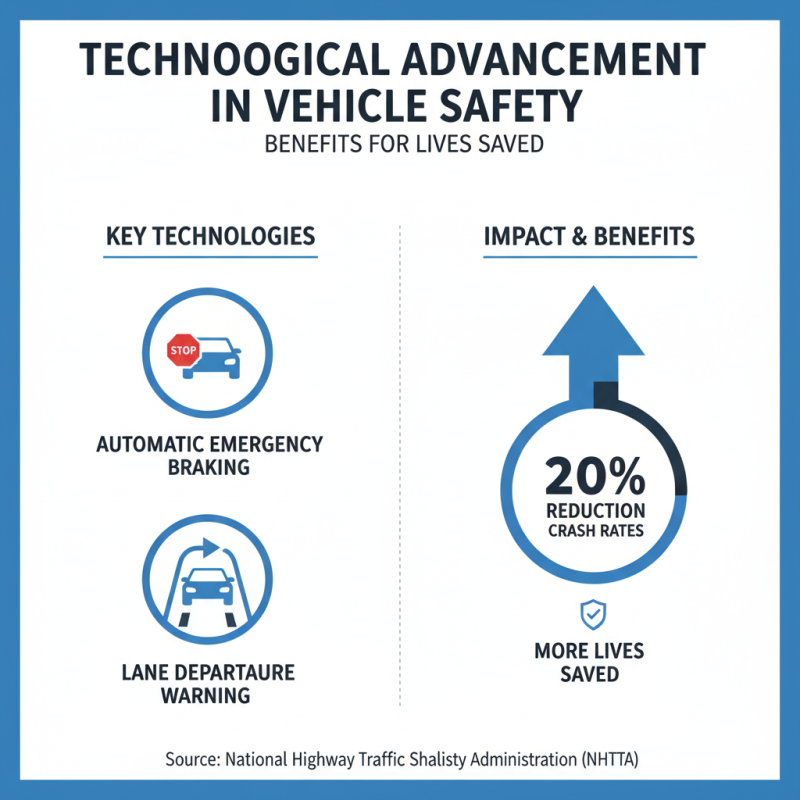
Technological advancements in vehicle safety have significantly impacted road safety. Innovations like automatic emergency braking and lane departure warnings are now common. According to the National Highway Traffic Safety Administration (NHTSA), these technologies have contributed to a 20% reduction in crash rates.
Despite these advancements, road safety is still a pressing issue. The Insurance Institute for Highway Safety (IIHS) reported that in 2022, nearly 43,000 people died in motor vehicle crashes in the United States. This tragic figure shows that technology alone isn't enough. Human behavior and environmental factors also play crucial roles in road safety.
**Tips:**
- Always wear your seatbelt; it greatly increases your chances of survival in a crash.
- Avoid distractions while driving. Texting or using social media can wait until you’re safely off the road.
- Regularly service your vehicle to ensure safety features are functioning properly.
Considering data shows that a significant portion of road accidents results from human error, awareness of safe driving practices is essential. It's time to reassess our role in road safety. Even with advanced technology, we must prioritize responsible behaviors behind the wheel.