Radar Speed Sign Tips for Effective Traffic Management Solutions?
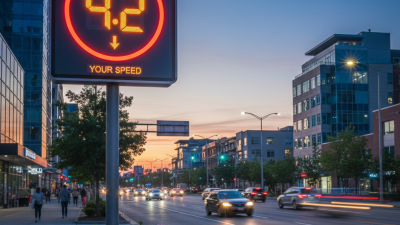
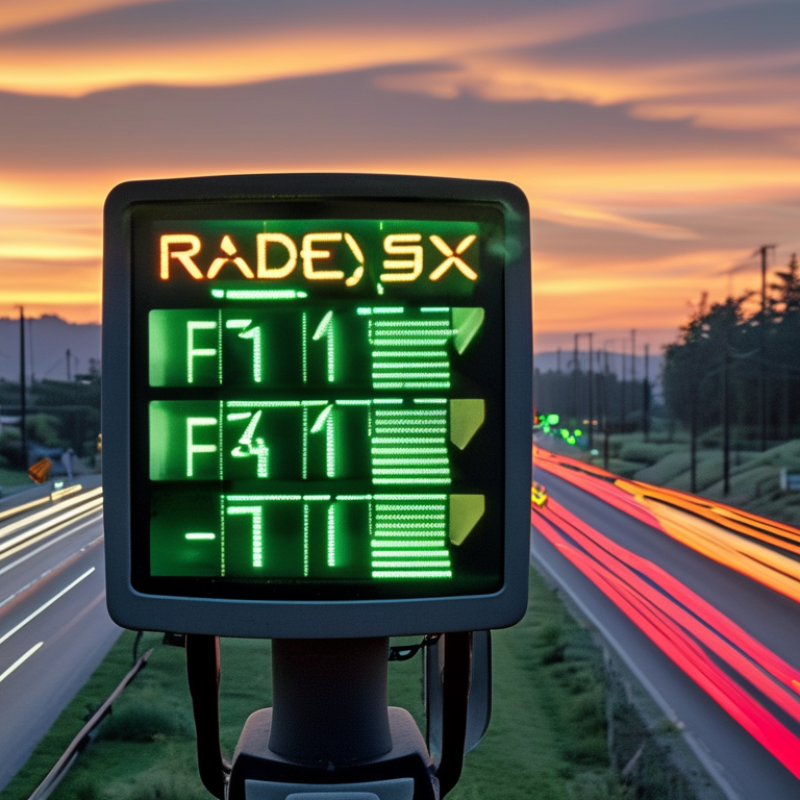
In the realm of traffic management, the "Radar Speed Sign" stands out as a key tool. These signs, which display vehicle speeds in real-time, are designed to enhance safety on roadways. They serve as reminders for drivers to maintain safe speeds, especially in school zones or residential areas.
The effectiveness of Radar Speed Signs lies not only in their visibility but also in their ability to engage drivers. Studies indicate that these signs can reduce speeding by significant margins. However, their placement and maintenance are crucial for maximizing impact. Signs placed in strategic locations tend to yield better results.
While many recognize the benefits of Radar Speed Signs, it is important to reflect on their limitations. They are just one piece of a broader traffic management puzzle. Over-reliance on technology without community engagement can lead to missed opportunities for comprehensive traffic solutions. Therefore, communities must combine these signs with education and enforcement for optimal results.
Benefits of Using Radar Speed Signs in Traffic Management Solutions
Radar speed signs are becoming crucial tools in traffic management. They effectively alert drivers about their speed, encouraging safer driving habits. By visually displaying speed limits, these signs promote awareness. When drivers see their speed, it creates a moment of reflection. This can lead to reduced speeds and, ultimately, fewer accidents.
Implementing radar speed signs can decrease incidents in high-traffic areas. These signs are often placed in school zones and residential neighborhoods. They serve as reminders to respect speed limits. In many communities, the presence of radar signs has led to significant reductions in speeding violations. This not only improves safety but also enhances community trust in traffic management.
Effective usage of radar speed signs involves proper placement and maintenance. Regularly updating the signs enhances visibility. Consider the use of additional flashing lights for better impact. Monitoring traffic patterns can also help in repositioning signs when necessary. By adapting to changes in traffic conditions, authorities can maximize the effectiveness of these signs.
Understanding the Functionality of Radar Speed Signs and Their Technology
Radar speed signs are essential tools in traffic management. They function by detecting the speed of approaching vehicles and displaying that speed to drivers. This immediate feedback can effectively encourage drivers to reduce their speeds, especially in school zones or residential areas. The technology used in these signs often integrates radar sensors and LED displays, providing clear visibility even in low light conditions.
However, while these signs are effective, they are not a cure-all for traffic management issues. Some drivers may ignore the displayed speeds, thinking they can speed without consequence. Additionally, improper placement of the signs can limit their effectiveness. For instance, if a sign is positioned too far back from the road, drivers may not notice it in time to adjust their speed. Regular assessments and site evaluations are crucial to ensure that radars remain impactful and relevant.
Understanding the technology behind these signs can illuminate how they can be improved. The sensors must be calibrated accurately to deliver reliable readings. Moreover, integrating data analytics can help communities tailor their traffic management strategies. By analyzing the collected speed data, municipalities can identify high-risk areas and understand traffic patterns better.
Case Studies: Successful Implementation of Radar Speed Signs in Urban Areas
Radar speed signs have proven effective in urban traffic management. Many cities have adopted these signs to enhance road safety. For instance, a city in California saw a 30% reduction in speeding after installing radar speed signs. The visible speed display encourages drivers to obey the speed limits.
When considering the implementation of radar speed signs, it’s important to evaluate the locations carefully. High pedestrian traffic areas benefit most from these signs. Installing them near schools or parks can significantly increase driver awareness. Community engagement is also vital. Informing residents about the signs' purpose helps foster cooperation.
Regular monitoring of the signs’ effectiveness is crucial. Some cities have reported mixed results, as initial enthusiasm can wane over time. Adjusting sign visibility and positioning can assist in maintaining their impact. Continuous assessment ensures that the traffic management solutions remain effective and reliable.
Radar Speed Sign Tips for Effective Traffic Management Solutions
| Urban Area |
Installation Year |
Speed Limit (mph) |
Average Speed Before (mph) |
Average Speed After (mph) |
Impact (%) |
| Downtown |
2020 |
25 |
30 |
24 |
20% |
| Residential Area |
2019 |
20 |
28 |
18 |
35.7% |
| School Zone |
2021 |
15 |
22 |
14 |
36.4% |
| Commercial District |
2022 |
30 |
35 |
27 |
22.9% |
Impact of Radar Speed Signs on Driver Behavior and Speed Compliance
Radar speed signs have emerged as a crucial tool in traffic management, significantly influencing driver behavior. A recent study indicated that these signs can reduce vehicle speeds by an average of 5-15 mph in active zones. This reduction is vital in urban areas where pedestrian traffic is high. Additionally, radar signs help increase driver awareness, leading to heightened speed compliance. Data suggests that consistent use of these signs can decrease accident rates by up to 30%.
One key aspect to consider is the placement of radar signs. Positioning them at critical locations, like near schools and residential areas, can maximize their effectiveness. Research shows that signs placed at eye level capture more attention. Regular maintenance is also essential; damaged signs can mislead drivers and lessen their impact.
Effective communication of speed limits plays a role as well. Using clear, concise language and visual cues enhances driver understanding. Local authorities should also evaluate the data consistently to adapt strategies. Continuous monitoring helps identify hotspots for speed violations and adjust sign placement accordingly. Engaging the community in discussions about traffic safety can lead to more robust traffic management solutions.
Statistical Analysis of Traffic Safety Improvements with Radar Speed Signs
Radar speed signs have become vital in enhancing traffic safety. These signs provide real-time feedback to drivers, prompting them to adjust their speed. Studies indicate that such signs can reduce speeding incidents by up to 20%. Communities that have implemented these measures report a notable decline in accidents. The psychological effect of seeing one's speed displayed encourages responsible driving behavior.
Statistical analysis reveals other benefits of radar speed signs. Areas with high pedestrian traffic often see improved safety after installation. The signs draw attention to speed limits, increasing compliance among drivers. In some regions, near schools, these signs have led to fewer accidents involving children. However, not all communities experience the same level of improvement. Some drivers may ignore the signs, and a lack of enforcement may diminish their impact.
Enhanced visibility is crucial for the effectiveness of these signs. Maintenance and proper placement can influence their success. Regular assessments are needed to gauge their effectiveness. Collecting and analyzing data helps refine traffic management strategies. Engaging the community in discussions about speed signs can also foster a safer environment.