How to Understand Traffic Signal Functions and Their Importance?
Traffic signals play a critical role in urban traffic management. According to Dr. Emily Greene, a leading expert in traffic engineering, "Traffic signals are the heartbeat of city transportation systems." By regulating vehicle and pedestrian movement, these signals ensure safety and efficiency on the roads.
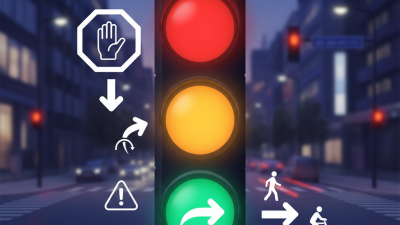
Understanding the functions of traffic signals is essential for both drivers and pedestrians. Each signal color has its own meaning and importance. A green light indicates go, but caution is still necessary. A yellow light warns of an upcoming change, while red means stop. Ignoring these signals can lead to accidents.
In urban environments, traffic signals also adapt to changing conditions. They can adjust timing based on real-time traffic data. However, not all signals operate flawlessly. Some may malfunction or become misconfigured, resulting in confusion. It's vital for city planners to continually assess and improve these systems. Even the best traffic signals require regular maintenance and updates to maintain their effectiveness.
Understanding the Basics of Traffic Signal Systems
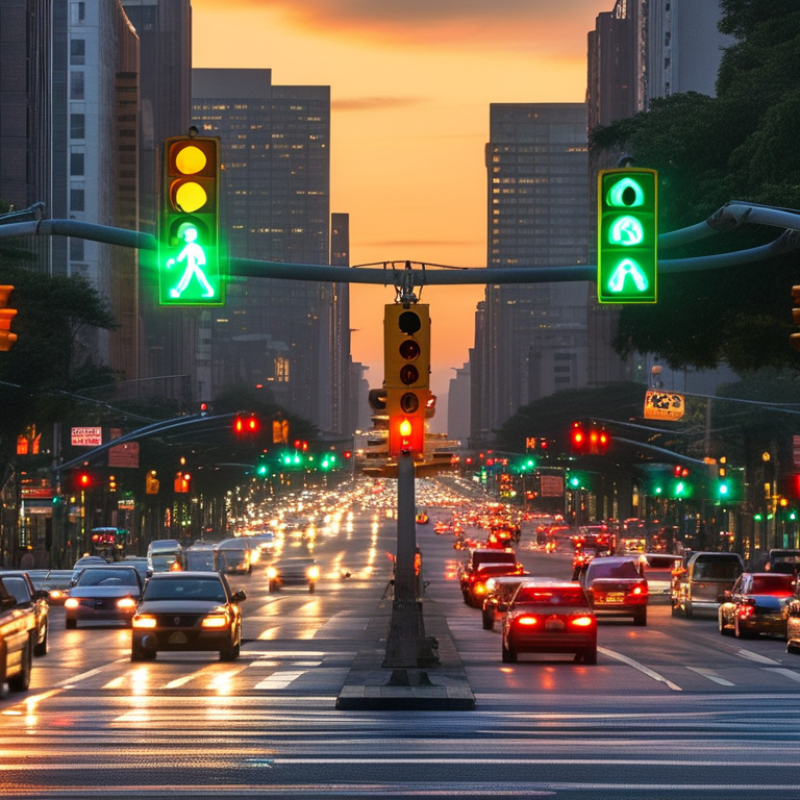
Traffic signal systems are essential for managing road safety and efficiency. They govern the flow of traffic at intersections and help prevent accidents. Understanding their basic functions can significantly enhance a driver's experience on the road. Signals consist of red, yellow, and green lights, each serving a specific purpose. When a signal turns red, vehicles must stop; yellow indicates that a light will soon change; and green allows for movement.
Misunderstanding these signals can lead to dangerous situations. For instance, some drivers might accelerate when they see yellow. This reaction can disrupt the safe flow of traffic. It's crucial to remember that every signal has a sequence designed to prevent confusion. Each intersection is unique, and so are the traffic signals that govern them. Pedestrian signals add another layer, guiding foot traffic safely.
Awareness of traffic signal functions fosters a culture of responsibility. Over time, habits can form around signal anticipation. Some drivers may start ignoring lights in low-traffic situations. This behavior can be risky, as it endangers both themselves and others. Engaging with traffic signals mindfully cultivates safer roads for everyone.
The Role of Traffic Signals in Urban Traffic Management
Traffic signals play a crucial role in urban traffic management. They regulate vehicle flow and enhance pedestrian safety. Properly functioning signals reduce congestion and improve travel efficiency. In busy cities, the impact of signals is significant. An intersection without them can become chaotic, leading to accidents.
Traffic signals are designed based on traffic studies. Understanding these designs helps in recognizing their importance. Signals consider vehicle speed, pedestrian volumes, and accident history. However, the technology isn't flawless. Malfunctioning signals can cause confusion and danger. Regular maintenance is vital, but often neglected.
It's important to reflect on how these signals interact with the urban landscape. They must adapt to changing traffic patterns. As cities grow, so do their complexities. Engaging the community in discussions about signal design can lead to better solutions. Signage and signals should meet the needs of all road users. Active involvement can highlight overlooked issues, making our streets safer.
How Traffic Signals Enhance Road Safety for All Users
Traffic signals play a crucial role in maintaining road safety for all users.
According to the Federal Highway Administration, effective traffic signals can reduce accidents by up to 50%.
They clearly communicate when to stop and go, significantly minimizing the chances of collisions.
A well-timed signal allows vehicles and pedestrians to navigate intersections safely, fostering a balanced traffic flow.
Research indicates that pedestrian crash rates decrease when signals are properly timed.
For instance, a study found that the implementation of pedestrian signals in urban areas led to a 30% decrease in related accidents.
Signals also serve to manage the speed of vehicles, which is essential for protecting vulnerable road users.
However, issues like malfunctioning signals or poor visibility can lead to dangerous situations that highlight the need for regular maintenance.
The reliance on technology is expanding.
Intelligent traffic signal systems adapt in real-time to traffic conditions.
While these systems improve efficiency, they require continuous monitoring to prevent failures.
Observations show that human error in interpreting signals can also contribute to accidents.
Thus, while traffic signals enhance safety, ongoing education for road users is vital.
It's essential to remember that technology and awareness must work hand in hand to achieve optimal safety outcomes.
Types of Traffic Signals and Their Specific Functions
Traffic signals play a crucial role in urban traffic management. They help regulate the flow of vehicles and pedestrians. Understanding the types of traffic signals can enhance road safety. Approximately 50% of traffic accidents occur at intersections, highlighting their importance in preventing collisions.
There are three main types of traffic signals:
red,
yellow, and
green.
Red signals indicate a complete stop for vehicles. They help protect pedestrians crossing the road. Yellow signals warn drivers to prepare to stop, exhibiting a cautionary function and allowing for a safer transition. Green signals permit vehicles to proceed safely through intersections.
Tips: Always be aware of the signal ahead. Anticipating changes can reduce sudden stops. Additionally, ensure that you are not distracted by your phone while driving. This can significantly lower the chances of accidents.
Another vital aspect is the
countdown timers seen at many signals. These timers inform pedestrians how many seconds are left to cross. They add an extra layer of safety but rely on users paying attention.
Distracted walking can undermine their effectiveness. By acknowledging the signals and their functions, road users can contribute to
safer roads for everyone.
The Importance of Timely Maintenance and Updates for Traffic Signals
Traffic signals are vital for road safety and efficient traffic flow. However, their effectiveness heavily relies on timely maintenance and updates. According to the Federal Highway Administration, more than 50% of traffic signal failures lead to significant delays and disruptions. Regular inspections can identify issues early, reducing accidents and traffic congestion.
Updating signal timing is equally important. Research shows that proper synchronization can enhance traffic flow by up to 15%. Inadequate updates can leave outdated timing systems in place, which leads to inefficient traffic management. For example, a signal programmed a decade ago may not accommodate today's higher traffic volumes or changing patterns.
Many municipalities struggle with funding for maintenance. This often results in delayed repairs and unreliable signals. Reports have indicated that approximately 30% of traffic signals lack regular maintenance checks. As a consequence, drivers face increased risks. Investing in traffic signal infrastructure is essential for public safety and efficient transportation systems.