Road safety in China is a pressing issue, with the country recording over 58,000 fatalities from road traffic accidents in 2021 alone. This alarming statistic highlights the urgent need for effective measures to enhance road safety. According to the World Health Organization, road traffic injuries are the leading cause of death among young people aged 15 to 29 in China. This demographic disproportionately suffers from the consequences of reckless driving and inadequate safety measures.
To address these challenges, evaluating existing road safety practices is crucial. Many cities in China face increasing traffic congestion and poor road maintenance, which compound the risks for drivers and pedestrians alike. Experts suggest implementing stricter enforcement of traffic laws and investing in public awareness campaigns.
While some progress has been made, the road safety landscape remains complex. Personal accountability, alongside government intervention, is essential for reducing fatalities and injuries. Hence, it is vital for all stakeholders to engage in a comprehensive dialogue in pursuit of improved road safety standards.
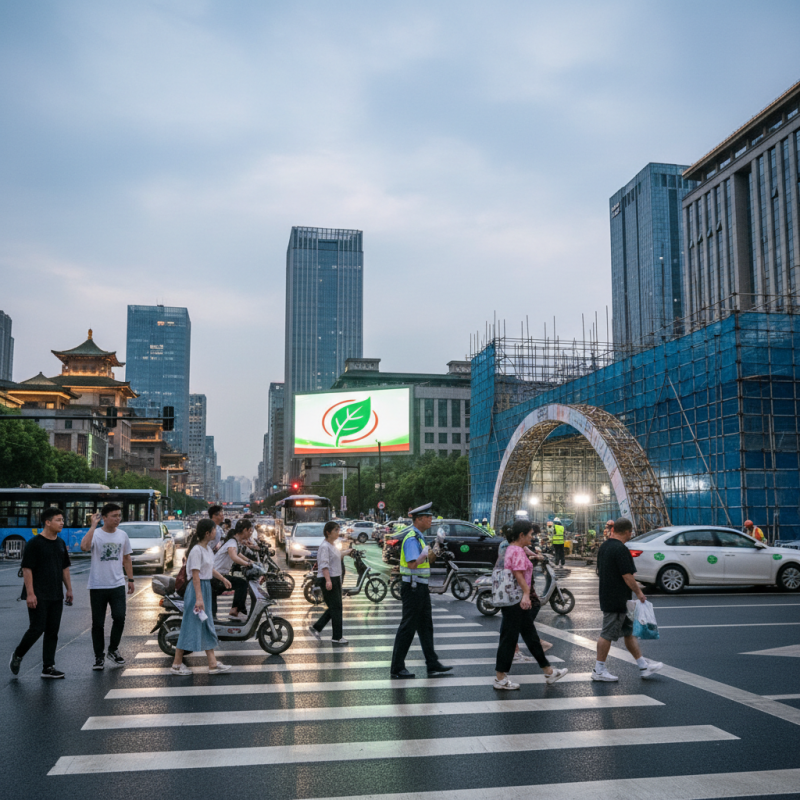
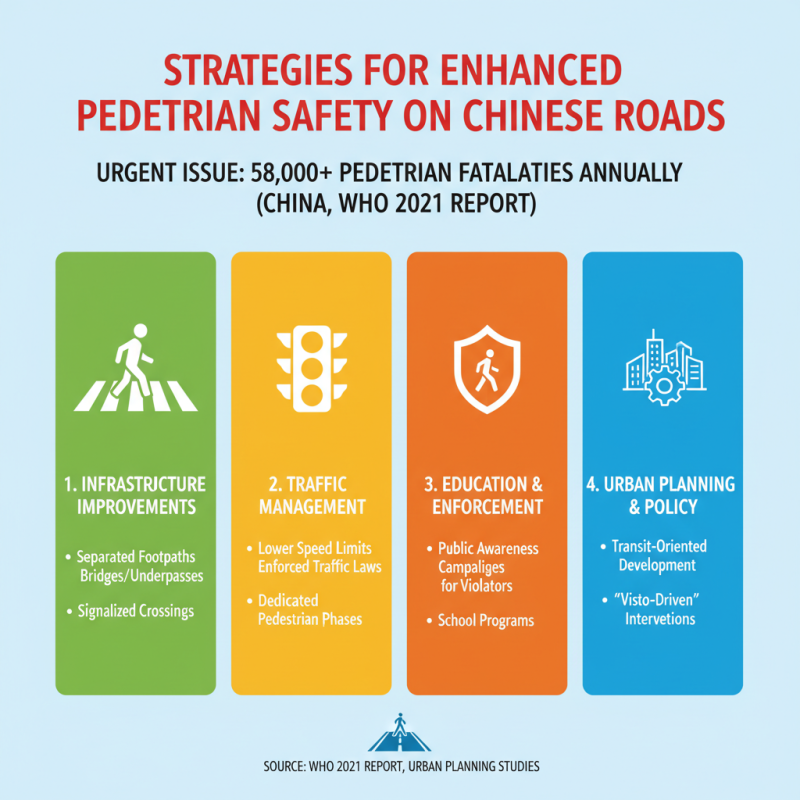
Pedestrian safety on Chinese roads is a pressing issue, with significant implications for urban planning and public policy. According to a 2021 report by the World Health Organization, China saw over 58,000 pedestrian fatalities annually. This staggering number highlights the urgent need for strategies to enhance safety for those on foot.
One effective approach is the implementation of well-designed crosswalks. Studies show that intersections with clearly marked pedestrian pathways experience a 30% reduction in accidents. Additionally, increasing pedestrian-only zones can significantly decrease conflict points. Urban planners must consider creating more spaces where pedestrians can move freely, away from motorized vehicles.
Public awareness campaigns are another critical component. Raising awareness about pedestrian rights and responsibilities can empower individuals. A survey conducted by the China Road Safety Research Center indicated that over 45% of pedestrians lack awareness of traffic safety rules. Educating the community fosters a culture of safety and responsibility. Yet, despite efforts, challenges remain. Many cities struggle with enforcement of existing laws, leaving pedestrians vulnerable. Addressing these inconsistencies is vital for true safety improvements.
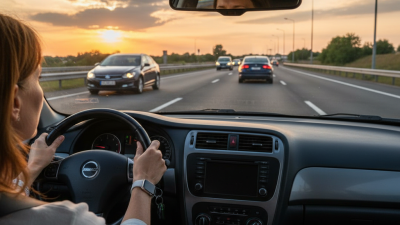
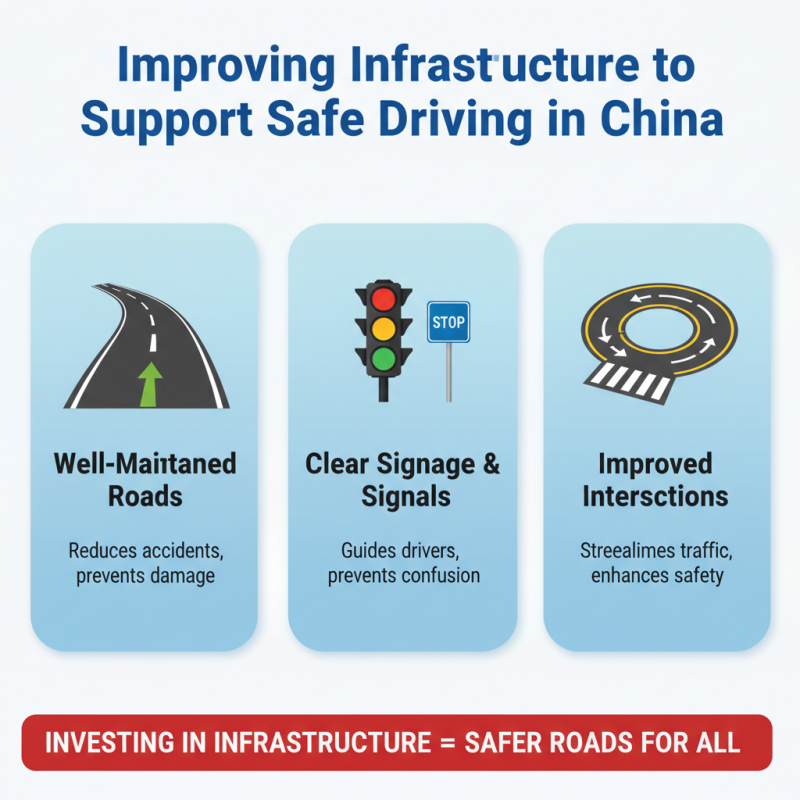
Investing in infrastructure is key to promoting road safety in China. Well-maintained roads, clear signage, and effective traffic signals can significantly reduce accidents. Many areas still struggle with poorly designed intersections. These design flaws often lead to confusion for drivers, cyclists, and pedestrians alike. Furthermore, potholes and road debris create dangerous conditions that can easily lead to crashes.
Improving public transportation can decrease the number of cars on the road. More buses and safer routes encourage people to choose public transit. However, many existing systems are often overcrowded and unreliable. This causes frustration and discourages usage. Additionally, dedicated bike lanes are crucial to protect cyclists. Yet, in many cities, these lanes are either lacking or dangerously integrated with motor traffic.
Investing in technology also plays a role. Smart traffic lights and real-time traffic updates can help manage flow and reduce congestion. But the implementation often faces hurdles, including funding and technology access. Lastly, educating the public about safe driving practices remains vital. However, awareness campaigns may not reach all communities effectively. Addressing these challenges can lead to a safer driving environment for everyone.
Driver education and awareness campaigns are crucial for enhancing road safety in China. According to the National Traffic Control Authority, traffic accidents have led to over 58,000 fatalities annually. Raising awareness is vital. Innovative campaigns can effectively educate drivers about risks and safe practices.
Effective driver education should include interactive workshops. Studies show that participatory training can reduce accidents by 30%. These workshops can address issues like distracted driving, speeding, and alcohol consumption. Simple measures, like distributing informative pamphlets at gas stations, can also contribute significantly.
Moreover, social media serves as a powerful tool. Short videos highlighting real-life accident scenarios can be shared widely. Engaging stories resonate with younger drivers who often underestimate risks. Collaboration with local communities can amplify messages, but not all initiatives thrive. Some campaigns fail to reach their audience. Regular assessments are necessary. This helps identify gaps and understand the evolving trends in driver behavior.
Strict traffic regulations and penalties are crucial for improving road safety in China. The World Health Organization reports that over 58,000 people die annually in traffic accidents in China. Enforcing stricter regulations could significantly reduce these numbers. For example, increasing fines for speeding or driving under the influence can deter risky behavior.
One effective tip is to implement a points system for drivers. This system would penalize infractions cumulatively, leading to license suspension after multiple offenses. Research shows that countries using similar systems see a decrease in repeat violations. Moreover, public awareness campaigns can reinforce the importance of following traffic laws.
Integrating technology, like speed cameras and traffic monitoring systems, can enhance enforcement. Data from the Ministry of Public Security indicates that areas with such technology experienced a 30% drop in accidents. However, some regions still struggle with compliance. The commitment to strict regulations must come with continuous education and engagement from the public to ensure lasting changes in behavior.
Public transportation offers a reliable solution for safer commuting in China. With growing urban populations, congestion on the roads becomes an increasing concern. Encouraging citizens to use buses and subways can significantly reduce the number of vehicles on the streets. This means fewer accidents and lower pollution levels.
Moreover, public transport systems can be more efficient than personal vehicles. Trains and buses operate on fixed schedules, reducing the frantic pace often seen on roadways. They also play a role in fostering community engagement, as people interact with their neighbors during commutes. However, not every aspect of public transport is flawless. Delays, overcrowding, and safety issues can deter users. Addressing these concerns is essential to boost public confidence in commuting.
Investing in infrastructure and promoting education around public transport usage is vital. Citizens need clear information about routes and schedules. Safe and accessible transit stops are necessary for encouraging more riders. When people feel secure and informed, they are more likely to choose public transport over cars. Recognizing these imperfections is important for making meaningful improvements.
| Tip | Description | Impact on Road Safety | Estimated Reduction in Accidents (%) |
|---|---|---|---|
| Promote Public Transportation | Encourage the use of buses, subways, and trains as safer commuting options. | Reduces the number of personal vehicles on the road. | 30% |
| Improve Infrastructure | Invest in better roads, signage, and pedestrian walkways to ensure safety. | Creates safer commuting conditions. | 25% |
| Implement Strict Traffic Laws | Enforce laws against speeding, DUI, and seatbelt use. | Deters risky behaviors among drivers. | 20% |
| Educate the Public | Provide awareness programs regarding road safety and public transport benefits. | Increases knowledge and encourages responsible behavior. | 15% |
| Encourage Carpooling | Promote carpooling initiatives to decrease vehicle numbers. | Lowers traffic congestion and accident risks. | 10% |
| Use Technology for Safety | Adopt smart traffic management systems and apps for real-time updates. | Improves traffic flow and safety awareness. | 18% |
| Enhance Emergency Response | Ensure quick and efficient emergency services for accidents. | Reduces severity of accidents through faster response. | 12% |
| Promote Cycling and Walking | Encourage non-motorized transportation as safer alternatives. | Lessens vehicle traffic and promotes health. | 15% |
| Regular Vehicle Inspections | Mandate regular checks to ensure vehicle safety standards. | Helps to remove unsafe vehicles from the road. | 10% |
| Develop Community Initiatives | Engage local communities in road safety events and education. | Builds a culture of safety and accountability. | 5% |