How to Identify and Respect a Stop Sign for Safe Driving
Driving safely requires understanding and respecting road signs like the Stop Sign. Ignoring such signs can lead to accidents and injuries. According to the National Highway Traffic Safety Administration, each year, over 2.3 million collisions occur due to disregarding traffic signals. The Stop Sign is crucial for regulating traffic flow, ensuring the safety of drivers and pedestrians.
Road safety statistics show that intersections are common sites for accidents. In fact, about 40% of all vehicle crashes happen at these points. A clear understanding of the Stop Sign's meaning is vital for drivers. Yet, many still fail to stop fully. This oversight can lead to tragic outcomes.
Let’s reflect on this issue. Are we truly attentive when approaching a Stop Sign? Simple actions can save lives. Encouraging education on the importance of such signs is essential. By respecting the Stop Sign, we contribute to safer roads for everyone.
Understanding the Importance of Stop Signs in Traffic Regulation
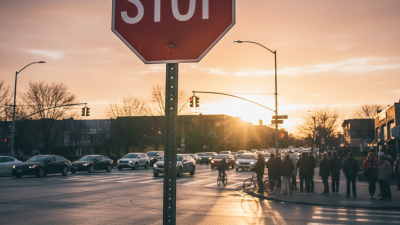
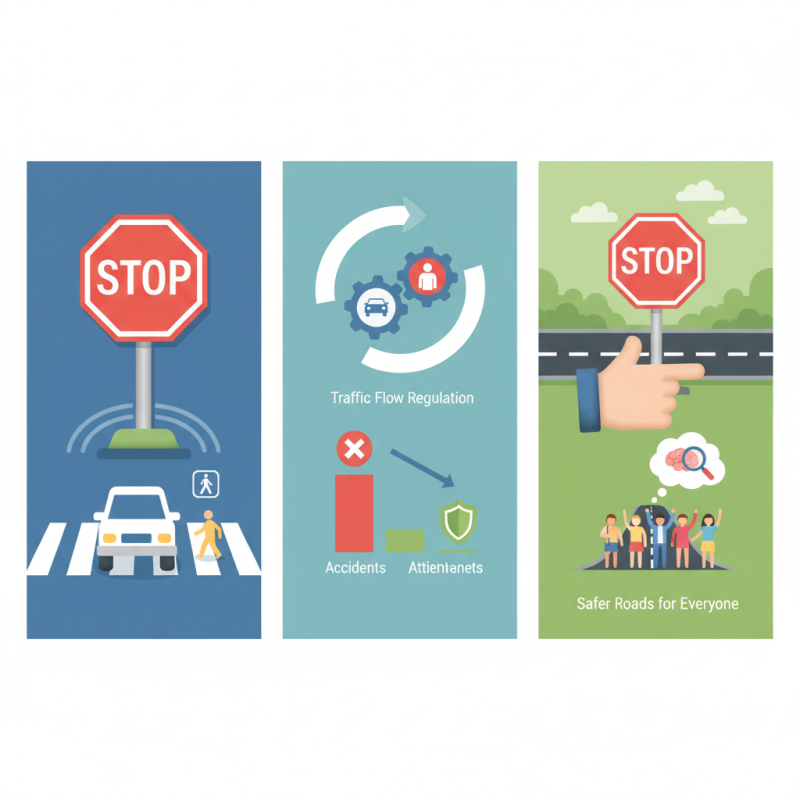
Stop signs play a vital role in maintaining order on our roads. They are simple yet powerful symbols that signal drivers to halt completely. This action ensures safety for everyone. Children may be crossing. Pedestrians can easily get overlooked. When drivers ignore these signs, they jeopardize lives.
Understanding the importance of stop signs is essential. A stop sign is not just a suggestion; it is a rule. Many drivers rush through intersections without even slowing down. This behavior can lead to dangerous accidents. The consequences of such negligence can be severe, often resulting in injuries or worse. Think about the last time you approached a stop sign. Did you fully stop? Many of us may not even realize we have a habit of rolling through. Reflecting on this can be uncomfortable but necessary.
Respecting stop signs is about more than just obeying laws. It is about fostering a culture of safety. Every time we stop completely, we contribute to a safer environment. We set an example for others, especially young drivers. In a world that seems to prioritize speed, taking a moment to pause is what truly matters. Recognizing the value of stop signs helps create safer roads for everyone.
How to Identify and Respect a Stop Sign for Safe Driving - Understanding the Importance of Stop Signs in Traffic Regulation
| Attribute |
Description |
| Color |
Red background with white lettering |
| Shape |
Octagonal |
| Height |
Typically 30 inches from the ground |
| Placement |
At intersections, clearly visible for drivers |
| Regulatory Requirement |
Mandatory stopping before the sign |
| Legal Consequences |
Fines and penalties for non-compliance |
| Safety Benefits |
Reduces accidents and enhances pedestrian safety |
| Visibility |
Illuminate at night; should be visible in all weather |
Key Components of a Stop Sign: Shape, Color, and Size Standards
Stop signs play a critical role in traffic safety. Their distinct shape, color, and size ensure they capture drivers' attention. According to the Federal Highway Administration (FHWA), stop signs must have an octagonal shape. This shape is universally recognized, signaling drivers to halt. Additionally, the color must be a vivid red, emphasizing urgency. The background is white for high visibility, especially at night.
The size of a stop sign matters too. The standard diameter for a regular stop sign is 30 inches. In some cases, larger signs up to 48 inches are used. Studies show that larger signs can be more effective in catching drivers' attention. However, not all environments require the same size. Urban settings might need smaller signs due to space restrictions, while rural areas can accommodate larger ones.
Despite these standards, some drivers still overlook stop signs. Human error often leads to missed signs, especially in low-light conditions. In some surveys, over 20% of drivers admitted to failing to stop completely. This raises concerns. Are we truly respecting the guidelines of road safety? It is crucial to stay vigilant and acknowledge these markers.
Understanding Stop Sign Compliance by Region
National Data on Stop Sign Compliance and Traffic Accident Rates
Research shows that compliance with stop signs can greatly impact road safety. According to the National Highway Traffic Safety Administration (NHTSA), nearly 22% of all crashes occur at intersections. Many drivers underestimate the importance of a stop sign. They may roll through a stop or ignore it altogether. This behavior increases the risk of accidents, especially in busy urban areas.
Statistical data from the Insurance Institute for Highway Safety (IIHS) reveals that intersections with clear stop signs have a 29% lower accident rate. However, public compliance remains low. Studies indicate that approximately 30% of drivers do not fully stop at intersections with stop signs. This lack of vigilance can lead to severe outcomes, including injuries and fatalities.
Every stop sign tells a story. It represents a moment of caution that could save lives. Yet too often, drivers treat them as mere suggestions. Even five seconds of inattention can change everything. Reflecting on these statistics is crucial. They reveal a need for improved awareness and better driving habits.
Best Practices for Drivers: Approaching and Yielding at Stop Signs
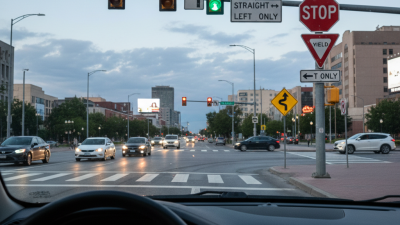
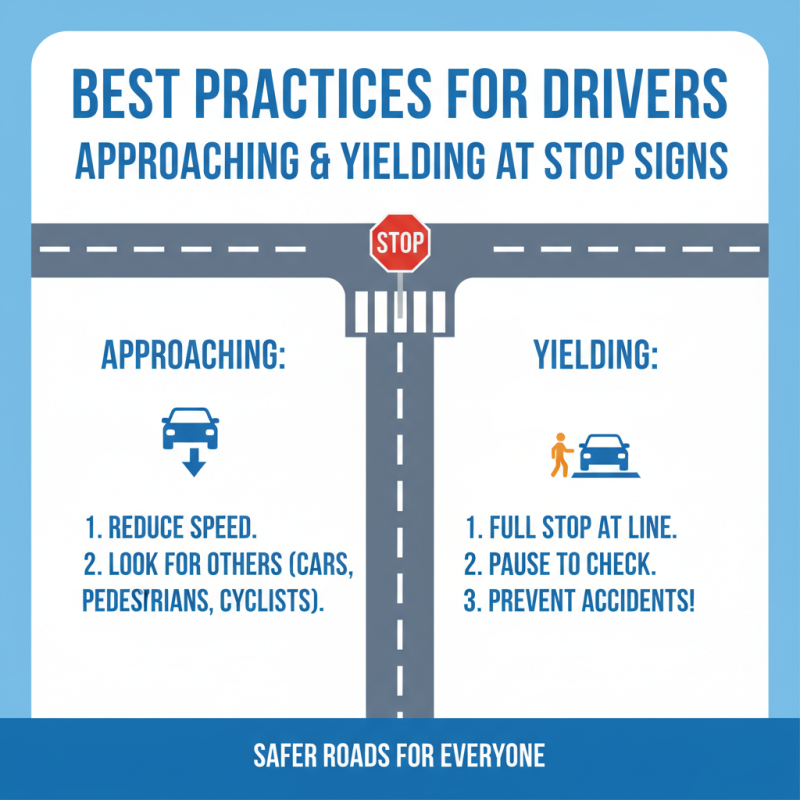
Approaching a stop sign requires attention and caution. As you near one, reduce your speed significantly. Look for other vehicles, pedestrians, and cyclists. It’s important to fully stop at the line. Sometimes, it’s easy to roll through without thinking. That brief pause can prevent accidents. Accurate stopping makes the roads safer for everyone.
Yielding is another key aspect. If another vehicle is already at the intersection, let them go first. It may feel frustrating to wait, but patience is crucial. Take a moment to check both directions. Some drivers may assume you will yield. This can lead to confusion and dangerous situations. Always respect the right of way.
Remember, the stop sign is a simple rule but vital. Its purpose is to protect all road users. Sometimes, habits can deceive us into being too complacent. Stay mindful of your surroundings. Your actions may affect others, even on quiet streets. Keep practicing these best practices for safer driving every time you encounter a stop sign.