How to Choose the Best Solar Traffic Signal Light for Your Needs?
Choosing the best Solar Traffic Signal Light can feel overwhelming. With many options available, understanding your specific needs is crucial. Solar Traffic Signal Lights offer a range of benefits, including energy efficiency and lower maintenance costs. They are particularly valuable in areas lacking electrical infrastructure.
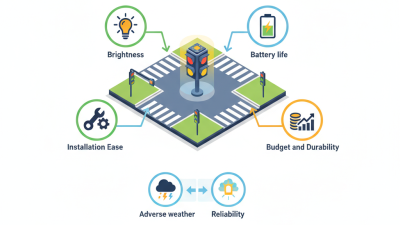
When selecting a solar traffic signal, consider factors like brightness, battery life, and weather resistance. Evaluate the placement as well. Not all models perform equally under different conditions. Some may excel in sunny areas, while others struggle in rainy climates.
Personal experiences can guide your choice. Research verified user reviews to gain insights. However, not every product meets expectations. It's essential to balance features with the manufacturer's reliability. A well-informed decision leads to safer roads and better traffic management. Take your time and reflect on what truly fits your needs.
Understanding the Purpose of Solar Traffic Signal Lights
Solar traffic signal lights serve a critical role in enhancing road safety. They are especially beneficial in areas lacking access to traditional power sources. According to a report by the Renewable Energy Association, solar traffic signals can reduce energy costs by over 80%. This makes them not only eco-friendly but also highly economical for municipalities.
When choosing a solar traffic signal light, consider its brightness and visibility. Signal lights should be easily seen from a distance, even in harsh weather conditions. Research indicates that lights with adjustable brightness levels perform better in varied environments. Moreover, battery efficiency is crucial. A reliable battery should last through the night and recharge efficiently during the day.
Tips: Look for models with solar panels designed for maximum sunlight absorption. Ensure the signal meets local traffic regulations for safety. Regular maintenance checks can help identify any issues early, ensuring optimal performance. It's essential to evaluate how well the light integrates with existing traffic systems. Inadequate integration can lead to ineffective signaling, which may need reconsideration in the selection process. Technology continues to evolve, and staying informed can significantly impact your choice.
Evaluating Key Features of Solar Traffic Signal Lights
When selecting solar traffic signal lights, several key features demand attention. The efficiency of solar panels is paramount. High-quality panels typically convert 15-20% of sunlight into energy. This peak efficiency ensures that the lights operate optimally, especially in diverse weather conditions. Furthermore, the battery life should not be overlooked. Ideally, a good solar traffic signal light should maintain functionality for at least 72 hours without direct sunlight. This autonomy is crucial for maintaining safety during adverse weather.
Another vital factor is the brightness and visibility of the signal lights. A study by the Institute of Transportation Engineers suggests that visibility should exceed 1,200 lumens during daylight. This ensures ample visibility for drivers and pedestrians alike. Additionally, consider the build quality and durability. The lights should be made materials that withstand harsh environmental factors. Expect products with IP65 ratings, indicating they are dust-tight and resistant to heavy rain. This level of protection ultimately contributes to lowering maintenance costs and enhances reliability.
In terms of installation, ease is a significant factor. Solar traffic signals should feature user-friendly setups. While some models might require complicated fittings, simpler designs facilitate quicker deployment. It's critical to analyze all aspects thoroughly. It's worth reflecting on whether the products truly meet the specific needs of your location. Each region may present unique challenges, such as varying levels of sunlight or traffic densities.
Assessing Your Specific Needs and Environment
When choosing the best solar traffic signal light, understanding your specific needs is crucial.
Start by assessing the location.
Is it near a school, busy intersection, or a quiet road? High-traffic areas may require brighter lights.
Consider the typical weather conditions, too. Regions with frequent rain or snow need lights that can operate effectively in various climates.
Next, evaluate the installation site. A well-lit area may not need a powerful signal light. On the other hand, a dimly lit spot will benefit from higher visibility.
Solar panels should be positioned to receive maximum sunlight. Think about maintenance. Some lights may require regular cleaning to ensure optimal performance.
Reflect on the lifespan of the product you need. Can you commit to upgrading after a few years?
These details matter. A hasty decision can lead to inadequate lighting and potential safety issues.
Prioritize your unique environment when selecting a solar traffic signal light. Testing different products under your specific conditions can help clarify what works best for you.
Comparing Different Types of Solar Traffic Signal Lights
When selecting a solar traffic signal light, understanding the different types is essential. There are various designs available, such as flashing LED lights and steady-burn signals. Flashing lights are often more visible. They draw attention quickly, especially in busy areas. Steady-burn lights provide constant visibility. They are straightforward but might not catch a driver’s focus in certain situations.
Another factor to consider is the power source. Some solar traffic lights use a solar panel. This is efficient in sunny areas. Others have battery backups for cloudy days. Evaluating your location’s sunlight availability can be critical. Installation options also vary. Some models are easy to mount on existing poles. Others require new installations, which might be costly. It’s wise to weigh installation requirements compared to your budget.
Moreover, consider the functionality each type offers. Some lights come with sensors that adjust brightness based on traffic flow. Others have timers that switch modes during off-peak hours. Reflecting on your specific needs will guide your decision. Not every type suits every situation. Take time to evaluate the pros and cons of each option thoroughly. Choosing the right type of solar traffic signal can greatly enhance safety and efficiency.
Budgeting and Cost Considerations for Solar Traffic Signal Lights
Budgeting for solar traffic signal lights involves several key factors. Initial costs can range significantly. A typical solar traffic signal setup might cost between $2,000 to $10,000. Prices depend on features and specifications. Advanced models may include additional functionality, impacting budget decisions.
Maintenance costs are also crucial to consider. While solar lights generally require less maintenance than traditional signals, the lifespan is about 5-7 years. Regular checks for battery health and weather resistance are still necessary. Failing to account for these aspects can lead to unexpected expenses.
The long-term savings can be substantial. According to the National Renewable Energy Laboratory, solar traffic signals can reduce energy costs by nearly 80%. This data can inform budgeting decisions. Investing wisely benefits both the environment and your finances.
How to Choose the Best Solar Traffic Signal Light for Your Needs? - Budgeting and Cost Considerations for Solar Traffic Signal Lights
| Feature |
Description |
Cost Range (USD) |
Lifespan (Years) |
Power Source |
| LED Lights |
Bright, energy-efficient lights for visibility. |
$500 - $800 |
5 - 10 |
Solar Power |
| Battery Backup |
Ensures operation during low light conditions. |
$200 - $400 |
3 - 5 |
Rechargeable batteries |
| Motion Sensors |
Detects traffic for optimized light signals. |
$300 - $600 |
5 - 7 |
Solar Power |
| Integration Options |
Ability to connect with traffic management systems. |
$250 - $550 |
Varies |
Solar Power |
| Weather Resistance |
Durability against harsh weather conditions. |
$400 - $700 |
5 - 10 |
Solar Power |