China Best Road Safety Sign Supplier for Global Buyers?
Choosing the best Road Safety Sign supplier in China requires more than comparing prices. Global buyers need visible, durable, and traceable products. A sign may look excellent in a factory showroom. It must also remain readable beside a wet highway at night.
Fred Wegman, a respected road-safety researcher, emphasized this principle: “Human errors should not lead to death or serious injury.” His view reminds buyers that signs support safer road decisions. They are not merely printed metal panels. Their retroreflective sheeting, color stability, mounting strength, and message clarity all matter.
This introduction examines how Chinese suppliers serve international road projects. It considers aluminum thickness, reflective performance, printing methods, edge finishing, packaging, and quality inspection. It also reviews how suppliers handle different road markings, climate conditions, languages, and destination-market requirements. A supplier should provide test records, production photos, material details, and realistic delivery timelines.
Ask difficult questions.
Can the factory repeat the same color across large batches? Can its signs withstand salt spray, strong sunlight, heavy rain, or desert heat? Does the supplier understand your local specifications, or only offer a standard catalogue?
The lowest quotation can hide weak adhesive, thin aluminum, poor drilling accuracy, or damaged corners during shipment. This does not mean every inexpensive product fails. It means buyers should verify evidence before ordering.
No supplier is perfect. Even experienced factories may misunderstand a symbol or underestimate installation conditions. Careful communication remains essential. By comparing technical capability, documented quality, export experience, and after-sales support, global buyers can identify a China-based Road Safety Sign partner with greater confidence.
Road Safety Signs Explained: Types, Materials, and Traffic-Control Functions
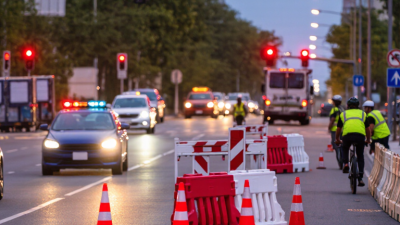
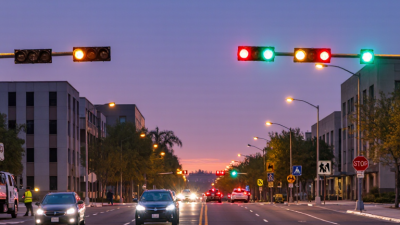
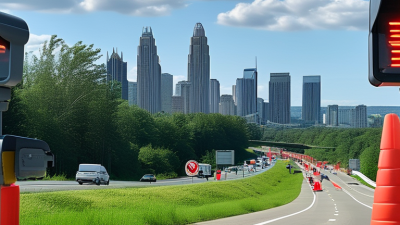
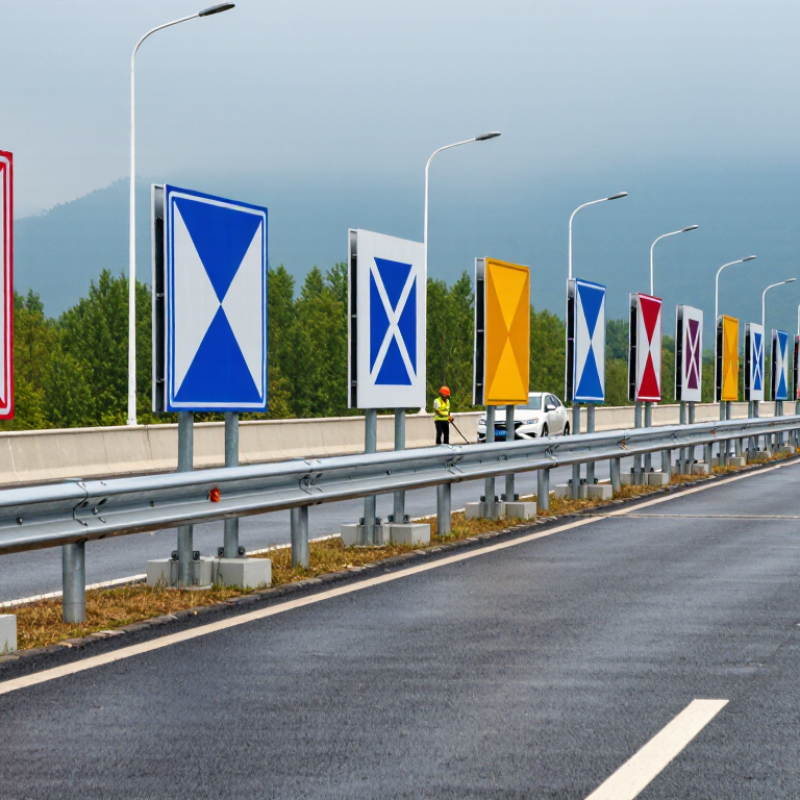
Road safety signs guide drivers, cyclists, and pedestrians through changing road conditions. Warning signs highlight hazards such as sharp bends, crossings, falling rocks, or narrow lanes. Regulatory signs control behavior through speed limits, no-entry instructions, and stopping requirements. Directional signs provide route information before drivers need to turn. Clear symbols matter because people often read signs at speed.
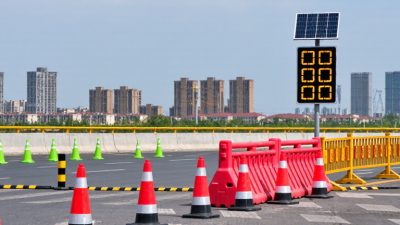
Material selection affects visibility, service life, and maintenance. Aluminum is lightweight and resists corrosion, making it practical for permanent roadside panels. Galvanized steel offers strength where wind, impact, or heavy mounting systems create greater demands. Reflective sheeting returns headlight beams toward drivers at night. Different performance grades suit urban streets, highways, construction zones, and low-light environments. Edges should be smooth, and mounting hardware must remain secure.
In field inspections, I have found that sign placement can matter as much as sign quality. A highly reflective sign becomes ineffective behind branches, dust, or poorly positioned lighting. Color contrast should remain strong in rain and glare. Measurements need checking against the project drawings and local traffic standards. One small error can confuse road users. It is also wise to review cleaning schedules, replacement access, and seasonal visibility. Perfect plans rarely survive every roadside condition, so practical feedback should influence the next installation.
Global Demand: WHO Estimates 1.19 Million Annual Road Deaths
China Best Road Safety Sign Supplier for Global Buyers?
The WHO Global Status Report on Road Safety 2023 estimates 1.19 million annual road deaths worldwide. That figure makes sign quality a safety issue, not merely a purchasing detail. The same report states that 92% of road deaths occur in low- and middle-income countries, where infrastructure budgets often face severe pressure. Clear signs can support safer decisions near crossings, curves, schools, and busy junctions.
For global buyers, a capable Chinese supplier should provide more than printed panels. Signs need consistent color, strong retroreflective performance, corrosion-resistant substrates, and stable mounting hardware. EN 12899-1 and ASTM D4956 offer useful technical references for sign construction and reflective sheeting. Buyers should also request photometric test results, material certificates, sample approvals, and batch traceability. A sign may look bright at noon but disappear in rain at 2 a.m. That failure is costly.
The World Bank reports that road crashes can cost countries up to 3% of gross domestic product. Supplier experience matters when projects involve harsh sunlight, coastal air, freezing temperatures, or irregular installation practices. Factory inspections and independent testing reduce uncertainty, although they cannot replace local road audits. I have seen specifications focus heavily on price and overlook visibility distance. That choice deserves reconsideration. Reliable supply means matching sign performance to real traffic conditions, not simply shipping attractive panels.
Global Road Safety Sign Demand Context: WHO Road Traffic Death Estimates
WHO estimates that approximately 1.19 million people die in road traffic crashes each year worldwide. The figures shown are rounded global estimates, highlighting the continuing need for effective road safety infrastructure, signage, and traffic-management measures.
Source: World Health Organization, Global Status Report on Road Safety 2023.
Evaluating Chinese Suppliers: Reflectivity, Durability, Testing, and Quality Control
China Best Road Safety Sign Supplier for Global Buyers?
Evaluating Chinese road safety sign suppliers requires more than comparing prices. Reflectivity must remain visible at night, in rain, and from different viewing angles. Ask for measured retroreflective values, not only photographs. A reliable supplier should provide batch records, test dates, and clear material specifications. A sample may look excellent under factory lighting. That proves little.
Durability depends on the sign’s substrate, coating, edge treatment, and adhesive performance. Aluminum or galvanized steel should resist bending and corrosion during transport and installation. Useful evaluations include UV exposure, salt spray, temperature cycling, impact, and adhesion tests. Inspect printed colors after weathering. Small peeling areas can become serious failures. I have found that rushed edge finishing often receives too little attention.
Quality control should cover incoming materials, printing, cutting, assembly, and final inspection. Measuring instruments need calibration records. Independent laboratory reports can strengthen supplier claims, especially when testing follows recognized international methods. Request full conditions, sample quantities, and failure limits. Do not accept a certificate without checking its scope. Factory audits also reveal storage problems, mixed batches, or inconsistent thickness. No supplier is perfect. Even experienced teams can miss a defect during a busy production week. A documented corrective-action process matters more than confident promises.