2026 Best Stop Sign Options for Global Buyers to Consider?
The stop sign is a crucial element for road safety worldwide. It plays an essential role in regulating traffic and ensuring pedestrian safety. In 2026, global buyers face many choices when selecting the best stop sign options. With a variety of materials and designs available, understanding their features is vital.
Investing in quality stop signs can significantly impact road safety. Different climates can affect the longevity of these signs. Some options may fade or become damaged quickly. Buyers should consider factors such as visibility and reflectivity under varying conditions. It’s essential to weigh the pros and cons of each option carefully.
While many manufacturers claim to offer superior products, not all stop signs meet high standards. Research is necessary to identify reliable options. Global buyers must look beyond aesthetics to find durable and effective stop signs. Ultimately, making informed choices can enhance safety on our roads.
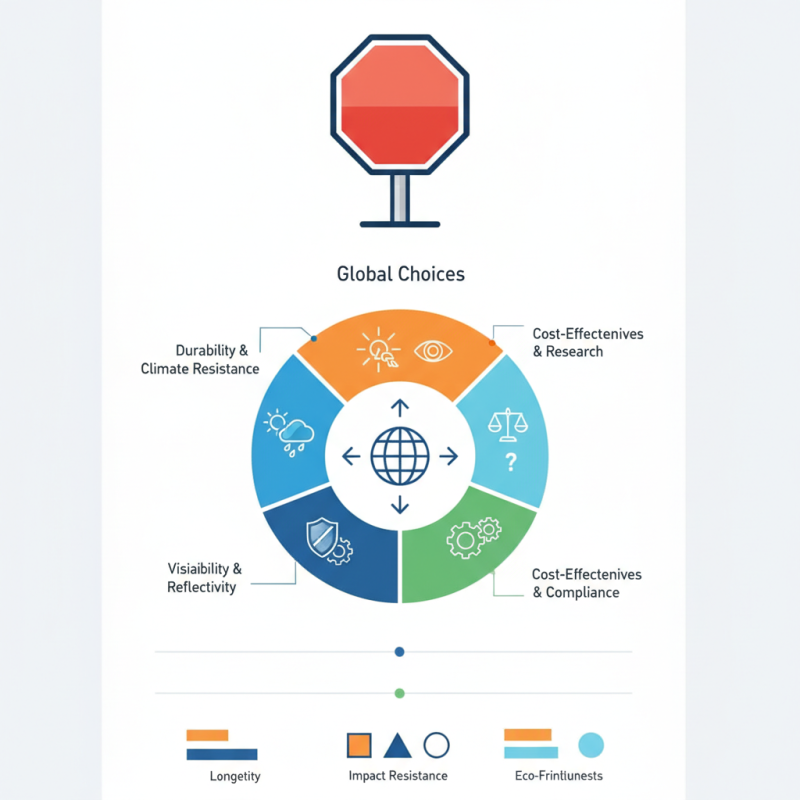
Benefits of High-Visibility Stop Signs for Improved Traffic Safety
High-visibility stop signs are essential for enhancing traffic safety. According to the Federal Highway Administration (FHWA), 40% of traffic accidents occur at intersections. This alarming statistic emphasizes the need for quality signage. High-visibility signs use reflective materials and bright colors, making them easier to see, especially at night or in poor weather. Studies show they can reduce accidents by up to 20%.
To maximize safety, install stop signs in locations with high foot and vehicle traffic. Make sure the signs are clean and free from obstructions. Regular maintenance is crucial. Reports indicate that faded signs can reduce visibility by 50%. Consider local pollution levels and weather conditions when selecting materials.
Tips: Choose signs with larger fonts and clear symbols. Consider adding LED lights for extra visibility. Educate drivers about the importance of respecting stop signs. Proper placement and visibility can significantly decrease risks. Reflective signs also help in attracting the attention of distracted drivers. Adapting to these practices will contribute to safer roads.
Key Materials Used in Durable Stop Signs: An Industry Overview
When selecting stop signs, the materials used significantly impact durability and visibility. Common choices include aluminum, plastic, and fiberglass. Aluminum is lightweight and resistant to rust, making it a preferred option for many municipalities. Its reflective surfaces enhance visibility at night or in low-light conditions.
Plastic signs, while less durable, offer versatility and can be produced in various colors and styles. They are often used in temporary settings. Fiberglass combines strength and weather resistance, ideal for harsh environments. However, the manufacturing process can result in varying quality.
Understanding the benefits and drawbacks of each material is key. It’s crucial to consider factors like local climate, installation location, and budget. Often, buyers may overlook how these elements affect longevity. Ensuring proper maintenance can also prolong the life of any stop sign. Reflecting on these aspects helps make informed decisions.
2026 Best Stop Sign Options for Global Buyers to Consider
| Material |
Durability (Years) |
Visibility (Day/Night) |
Weight (lbs) |
Cost ($) |
| Aluminum |
10 |
High/High |
7 |
70 |
| Plastic |
5 |
Medium/Low |
5 |
50 |
| Steel |
15 |
High/Medium |
10 |
90 |
| Composite |
12 |
High/High |
8 |
80 |
| Reflective Vinyl |
3 |
Medium/High |
4 |
30 |
Cost Analysis of Various Stop Sign Options for Global Buyers
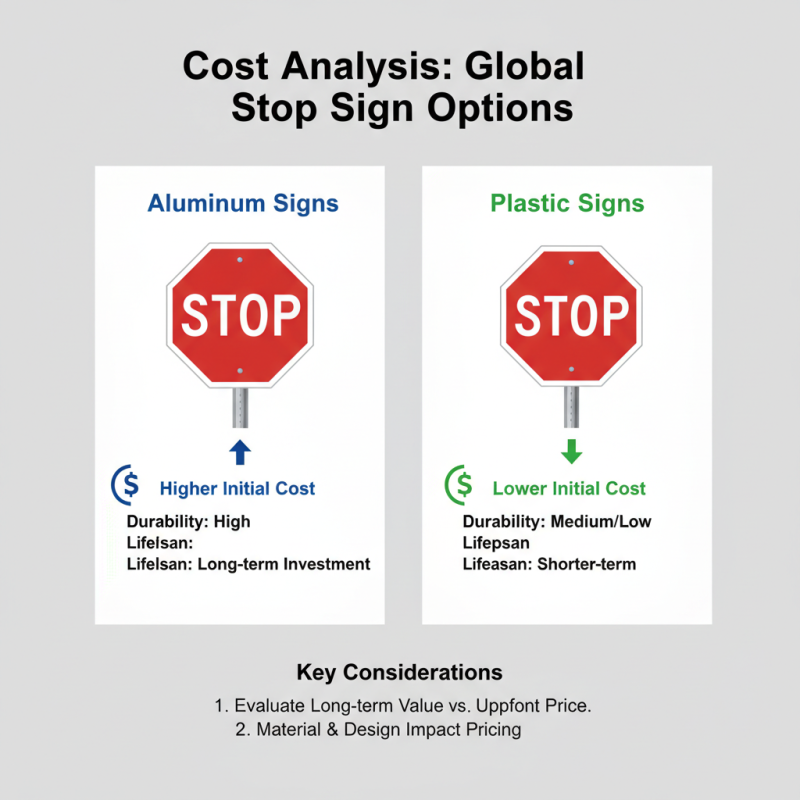
When considering stop sign options, cost analysis plays a crucial role. The market presents various materials and designs, which can greatly influence pricing. Aluminum signs tend to be more expensive due to their durability. In contrast, less durable plastic options are generally cheaper. Buyers must evaluate long-term costs versus initial investments.
Shipping costs also affect the overall budget. Bulk purchases may reduce expenses, but higher transportation fees can negate savings. Furthermore, local regulations may dictate specific types of signs, impacting choices and costs. This complicates the decision-making process for global buyers.
Buyers should reflect on the balance between cost and quality. While it's tempting to opt for the cheapest option, this may lead to higher maintenance costs over time. Investing in reliable materials, even at a higher initial price, might yield savings in the long run. Therefore, analysis isn’t just about upfront costs. It requires a deeper understanding of the value each type of stop sign offers over its lifespan.
Regulatory Standards for Stop Signs Across Different Countries
When considering stop signs, it's crucial to understand the varying regulatory standards across countries. Each nation has guidelines that dictate the color, size, materials, and placement of stop signs. For instance, many countries follow the Manual on Uniform Traffic Control Devices (MUTCD) to ensure uniformity. However, deviations exist that can lead to confusion for international drivers.
In Europe, stop signs generally maintain a red octagonal shape. They feature a white border and can differ slightly in wording. Some countries use native languages, while others may include additional symbols. In contrast, nations like Japan use a slightly different style but still adhere to the principle of alerting drivers effectively.
As global traffic patterns evolve, reevaluating these standards becomes necessary. It’s essential to gather feedback from drivers. The challenge lies in creating a universal design that respects individual cultures while ensuring safety. Some existing signs may not effectively attract attention during poor visibility or weather conditions, indicating the need for improvement.
Innovations in Reflective Technology for Enhanced Stop Sign Visibility
Stop signs are essential for traffic regulation. Recent innovations focus on reflective technology to enhance visibility. These advancements aim to address visibility challenges during various weather conditions and times of day. Improved materials now reflect light more effectively, making signs easier to see at night or in poor weather.
New reflective coatings are being developed. These coatings use microprismatic technology, which directs light in multiple directions. This increases the sign's visibility from different angles. As a result, drivers can better recognize stop signs from a greater distance. However, not all materials are equally effective or durable. Testing these innovations is crucial for long-term reliability.
Moreover, public perception of visibility is a key consideration. Some motorists may overlook poorly lit signs, even with advancements. Understanding driver behavior is vital for implementing new technologies. Innovation must also consider cost-effectiveness and ease of installation. Balancing these factors will ultimately determine the best stop sign options for global buyers.
2026 Best Stop Sign Options for Global Buyers
This chart displays various stop sign options and their visibility enhancements based on reflective technology innovations. The data includes four types of stop signs for comparison.