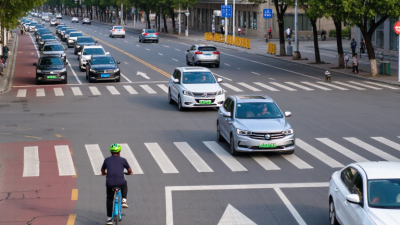
Road Safety is not an abstract concern for global buyers. It is visible in a faded sign at a rural junction, a poorly lit work zone, or a cyclist missed in heavy rain. The World Health Organization’s Global status report on road safety 2023 estimates that 1.19 million people die in road crashes each year. The report also notes that deaths fell by 5% between 2010 and 2021, even as the global population and vehicle fleet grew. Progress is real, but uneven.
Dr. Etienne Krug, a road-injury prevention expert who led WHO’s injury and violence prevention work, described road traffic injuries as “a major but neglected global public health problem, requiring concerted efforts for effective and sustainable prevention” in WHO’s 2004 world report. His words remain relevant. Products can support safer roads, but no catalogue can replace sound planning, careful installation, or routine maintenance.
For international procurement teams, choosing equipment means looking beyond price and appearance. Visibility, durability, ease of installation, and suitability for local road conditions all matter. A reflective cone may be clear in daylight yet harder to see when wet. Small details count. This guide introduces ten widely used Road Safety product categories, from signs and barriers to visibility and traffic-control equipment. It is a practical starting point, not a universal ranking: the best choice depends on the site, users, and operating conditions.
Evaluating road safety products for global use starts with the conditions they will face. A reflective sign may look clear in a showroom but become hard to read in heavy rain or headlight glare. Check visibility at different distances and angles, not just in bright daylight. Ask for test data that matches the product’s intended use, and confirm that documentation is clear and current.
Materials matter in the field. Cones and barriers should remain stable on uneven pavement and tolerate repeated handling. For electronic warning devices, inspect battery life, charging options, and performance in heat or cold. Compare the stated operating range with local weather and work schedules. Also check whether replacement parts are practical to source. Small details count.
Fit is not universal. Verify dimensions, mounting methods, language, and applicable local requirements before ordering in bulk. Request samples when possible, then examine them outdoors with the people who will install or use them. No checklist catches every mismatch. A trial can reveal loose fittings, confusing labels, or colors that blend into the background. Some results may be imperfect; record what failed and reassess the specification before wider deployment.
Road signs, pavement markers, and reflective delineators work best as one visual system. For global buyers, the challenge is not simply choosing bright products. It is matching each item to road speed, weather, traffic mix, and installation conditions. A warning sign should be readable before a driver reaches a hazard, while arrows and symbols need clear contrast at a glance. Small details matter.
On wet roads, pavement markers can guide lane position when painted lines become hard to see. Buyers should check each marker’s visibility, fixing method, and resistance to expected traffic loads. A sample tested under local conditions is more useful than a specification sheet alone. Reflective delineators add a vertical reference at curves, work zones, or road edges. Their spacing should help drivers read the route, not create visual clutter.
Materials and reflective performance vary, and no product stays effective without care. Dust, snow, abrasion, and damaged fasteners can reduce visibility. Ask suppliers for performance data, installation guidance, and maintenance expectations, then compare them with the project’s climate and road surface. Check them often. One weakness in this process is assuming a successful trial guarantees the same result across every site. It does not; field reviews should continue after installation.
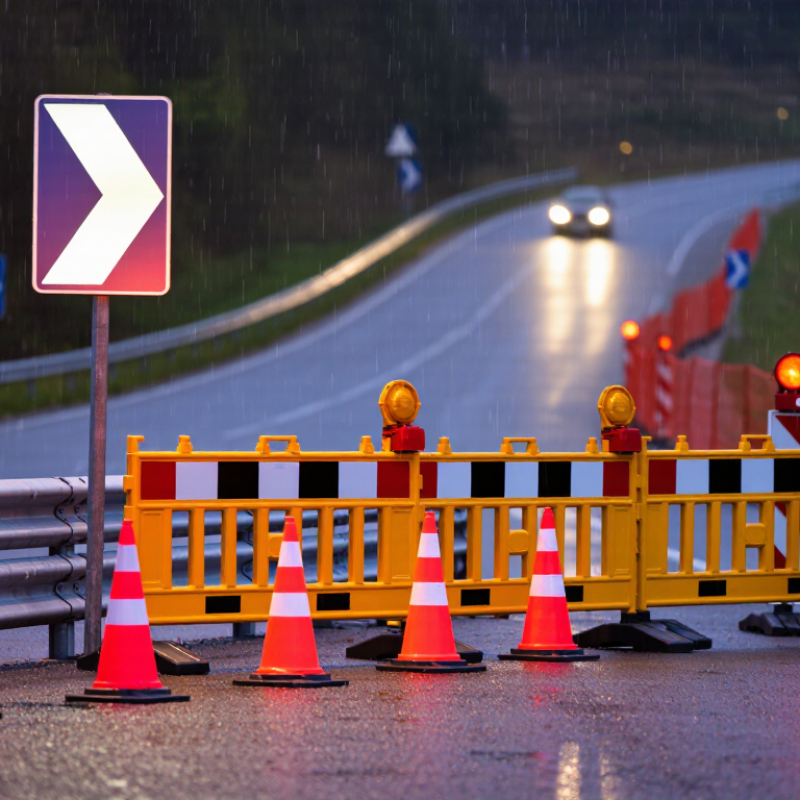
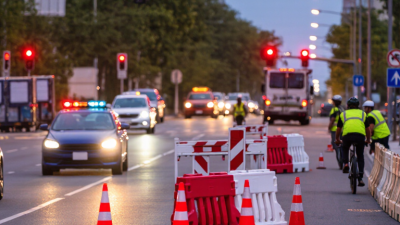
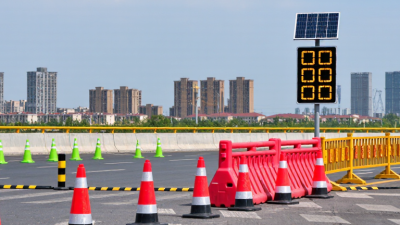
Road work feels different at dawn, in rain, or beside fast-moving traffic. A practical safety setup begins with clear sightlines and devices that match the work area. Traffic cones guide drivers around lane shifts, utility access, and temporary closures. Their color, height, spacing, and reflective bands affect how quickly people notice them. Small details matter.
Barriers provide a firmer boundary where workers, equipment, or pedestrians need separation. Choose a type suited to the task, then check its stability on the actual surface. A barrier that looks secure on pavement may shift on loose gravel. Work-zone signs, arrow boards, and temporary lighting can reinforce the message, but too many competing signals may confuse drivers. Keep layouts easy to read, and follow applicable local guidance.
Before a shift, crews can inspect cones for cracks, faded reflective material, and dirt that dulls visibility. They should also confirm devices remain upright and visible from approaching vehicles. After a truck passes, spacing may change. Check again.
No product replaces careful planning or an attentive crew. Even experienced teams can miss a blocked sightline when conditions change. That deserves a second look. Choosing road safety products is less about buying the largest set and more about matching each device to the site, weather, traffic speed, and duration of the work.
Global road traffic deaths by road-user type. These WHO estimates help highlight whose safety temporary traffic controls and work-zone devices should protect.
Source: World Health Organization, Global Status Report on Road Safety 2023. Percentages are approximate shares of global road traffic deaths.
Road-safety purchasing works best when products match specific risks, not catalog categories. The WHO’s Global Status Report on Road Safety 2023 estimates that 1.19 million people die in road crashes annually. That scale makes practical traffic calming worth careful attention. Properly designed speed humps can encourage slower driving near crossings, school gates, and loading areas. Yet poor placement can cause noise, drainage problems, or abrupt braking. Measure approach speeds and check water flow before installation; inspect the site after rain. Small details matter.
Warning lights can make hazards easier to notice in fog, dusk, or busy work zones. WHO reports that vulnerable road users account for 53% of global road deaths, including pedestrians, cyclists, and motorcyclists. That figure supports visible warnings, but flashing devices should alert without confusing approaching drivers. Check sightlines from a seated driver’s view, not only from the curb. There is no perfect setup. Check them often.
Vehicle safety equipment deserves equal attention. WHO states that seat belts can reduce occupant death risk by up to 50%. It also reports that motorcycle helmets reduce death risk by more than six times. For fleet buyers, verify belt condition, helmet fit, and replacement schedules against manufacturer guidance. Paper compliance is not enough. A frayed belt or loose helmet can turn a sound purchase into weak protection.
Choosing road safety products for global projects means matching each item to local standards and actual road conditions. A reflective sign may look suitable in a catalog, yet its symbols, colors, dimensions, and night visibility requirements can differ by region. Confirm specifications with the relevant road authority before ordering. Details matter.
Climate changes product performance. In hot, sunny areas, check UV resistance and whether flexible delineators can withstand repeated impacts. On roads with heavy rain, raised pavement markers need secure bonding and strong visibility through spray. Snowplow routes may require low-profile markers instead. For temporary work zones, cones and warning lights should remain visible in dust, fog, or glare—not just on a clear day.
Match the product to speed, traffic volume, and road layout. A speed hump appropriate for a low-speed access road may create hazards on a faster route. Guardrails, barriers, pedestrian crossing aids, and road studs also need site-specific assessment and installation guidance. A checklist helps, but it cannot replace a site visit. Not always. Measure lane widths, observe drainage, and review how pedestrians actually cross. A small mismatch can undermine an otherwise sound product choice.
A practical shortlist for procurement planning. The standards below are examples of relevant frameworks, not automatic proof of local approval. Confirm the current edition, national adoption, installation rules, and authority requirements for each project.
| Product | Typical Use | Key Selection Factors | Standards and Verification to Check | Match to Local Conditions |
|---|---|---|---|---|
| 1. Retroreflective Traffic Signs | Permanent or temporary warnings, regulatory messages, and route guidance. | Sign face material and retroreflectivity; sign size and legend; substrate, mounting, and expected service life. | Check the local sign manual and approved sign designs. Common reference frameworks include EN 12899-1 in Europe and ASTM D4956 for retroreflective sheeting in the United States. | Choose sheeting performance for road speed, viewing distance, night visibility, and local weather. Check resistance to heat, UV exposure, moisture, dust, and coastal salt where relevant. |
| 2. Traffic Cones | Temporary work-zone delineation, lane closures, and incident response. | Height, base stability, visibility, retroreflective bands, material flexibility, and suitability for reuse. | Check local work-zone rules for color, dimensions, banding, placement, and approved product specifications. EN 13422 is a European reference for cones and cylinders used in road traffic. | Use heavier or wider bases where wind or passing traffic may move cones. Consider flexible materials for frequent handling and high temperatures; ensure bands remain visible in low light. |
| 3. Flexible Delineator Posts | Marking curves, medians, lane edges, channelized traffic, and narrow road sections. | Post height and spacing; daytime contrast; nighttime reflectors; flexibility and recovery after impact; mounting method. | Verify reflectors, colors, placement, and permitted uses against the local road authority's specifications. Check any required impact, durability, or material tests for the installation type. | For snow-prone areas, consider visibility above expected snow cover and compatibility with snowplows. In dusty or muddy locations, select reflector designs that are easy to clean and inspect. |
| 4. Temporary Road Barriers | Separating work zones from live traffic and guiding vehicles through temporary layouts. | Barrier type, tested containment level, working width, deflection, installation method, connections, and end treatment. | For permanent road restraint systems in Europe, check EN 1317 requirements. In the United States, check the applicable FHWA acceptance criteria and MASH crash-test basis. Confirm that the tested configuration matches the proposed installation. | Consider available roadside width, traffic speed and vehicle mix, work duration, ground conditions, drainage, and the space needed for barrier deflection and safe end treatments. |
| 5. Impact Attenuators and Crash Cushions | Reducing the severity of impacts at exposed barrier ends, fixed hazards, and selected work-zone locations. | Crash-test level, impact direction, design speed, hazard width, redirective or non-redirective design, repair needs, and replacement parts. | Check the road authority's accepted crash-testing criteria and installation details. MASH is a crash-testing framework used in the United States; other markets may specify EN 1317 or national requirements. | Match the tested unit to approach speed, vehicle types, available footprint, foundation, and local maintenance capability. Do not assume a test result applies to a different layout. |
| 6. Temporary Traffic Signal Systems | Alternating one-way traffic at roadworks, bridges, and narrow passages. | Signal-head visibility, timing control, detector options, power source, battery runtime, synchronization, and manual override. | Check local traffic-signal regulations, temporary-control plans, signal-head requirements, and electrical safety rules. EN 12368 is a European reference for traffic control signal heads; local approval remains essential. | Solar or battery systems may suit remote sites, but assess winter sunlight, expected runtime, temperature range, radio coverage, and safe operation during communication failure. |
| 7. Portable Warning Beacons | Alerting drivers to temporary hazards, closures, queues, and work-zone entrances. | Flash pattern, color, intensity, visibility, mounting, power consumption, weather resistance, and synchronization features. | Confirm permitted colors, flash rates, placement, and use with the local authority. EN 12352 covers road traffic warning and safety light devices in Europe; electrical ingress protection may be rated under IEC 60529. | Select brightness and optics for daylight and nighttime use without causing glare. Check battery performance in cold or hot climates and sealing against rain, dust, and washdown. |
| 8. Road Marking Materials | Lane lines, stop lines, pedestrian crossings, edge lines, and temporary or permanent markings. | Material type, application temperature, dry time, skid resistance, bead embedment, wear life, and removal method for temporary markings. | EN 1436 specifies performance requirements for road-marking materials in Europe. Check local rules for color, dimensions, nighttime visibility, skid resistance, and approved application methods. | Choose application and curing requirements for local temperatures, rainfall, humidity, pavement type, traffic volume, and maintenance windows. Confirm compatibility with existing markings. |
| 9. Raised Pavement Markers | Improving lane guidance at night, on curves, at road edges, and in areas with limited lighting. | Retroreflective or non-reflective type; color; visibility; bond or mechanical fixing; resistance to impact, abrasion, and water. | Check local requirements for permitted colors, spacing, placement, and whether markers may supplement or replace painted lines. Verify applicable national tests for photometric performance and durability. | Assess snowplow exposure, flooding, heavy-vehicle turning, pavement condition, and maintenance access. Use installation methods suited to the pavement material and local repair practices. |
| 10. High-Visibility Workwear | Helping road workers remain visible to drivers and equipment operators. | Garment class, fluorescent background area, retroreflective material, fit, layering, breathability, and wash durability. | ISO 20471 specifies high-visibility clothing requirements and test methods. Check local occupational-safety rules for required garment class and whether additional protective equipment is needed. | Choose garment coverage and fabric for task risk, daylight or nighttime work, heat, rain, and cold. Ensure reflective material remains visible when workers wear required outer layers or carry equipment. |